
Long-Lived Bats May Hold Clues to Healthy Aging in Their DNA
A study of eight bat genomes links long lives to strong immune defenses and a habit of removing damaged cells.
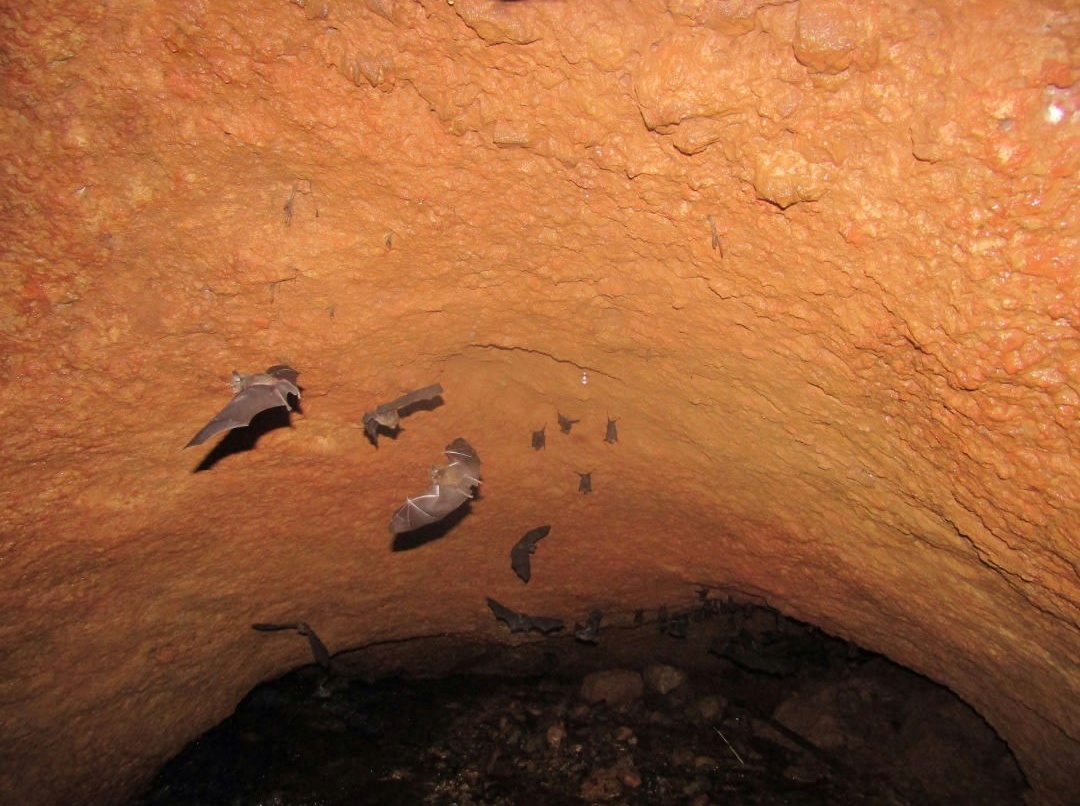
ScienceDaily says that the secrets to a long and healthy life might be found inside the DNA of bats. Bats live for a remarkably long time for their body size. The idea fascinated Juan Manuel Vazquez when he was a graduate student at the University of Chicago, but there was little published genetic information on bats then. After he became a postdoctoral fellow at UC Berkeley in 2020, he began traveling across the western United States, with help from undergraduates, to find bats that could provide tissue samples. They set up mist nets over streams, ponds and rivers at night, caught bats, took small samples and let the animals go. Much of the work focused on Myotis, a group that includes some very long-lived species. One Brandt's myotis, banded in Europe, was caught again 50 years later.
In a study in the journal Nature, Vazquez and colleagues present the first analysis of eight Myotis genomes. They found a strong link between lifespan and the immune system. The longer-lived bats had higher activity in genes linked to fighting cancer. That suggests a long life may depend partly on an immune system that stays effective against both germs and cancer. The researchers also saw a lot of overlap between genes tied to aging and genes that defend against disease. Vazquez said this means diseases of aging and diseases of infection do not have to be treated as separate fields. Maybe, he said, bats can help us find ways to keep our immune system from declining with age.
In the lab, Vazquez grew cells taken from bat wing samples. He now has cell cultures from 259 individuals of 32 species. He exposed the cells to toxic chemicals to see how they react to serious damage. The longest-lived bat in his group, the little brown bat, behaved in an unexpected way. Instead of turning on genes that make DNA repair proteins, its cells turned up genes that cause the cells to die. Vazquez said that was the opposite of what he expected, as if the longest-lived bat in North America decides it cannot save the damaged cell and quickly gives up on it.
About this story
Source: ScienceDaily. Spotted a mistake? Tell us.
More in Animals

Immune Cells Can Both Block and Help Bone Regrowth in Mice
A study of mouse fingertips found that some immune cells slow bone repair while others protect it.
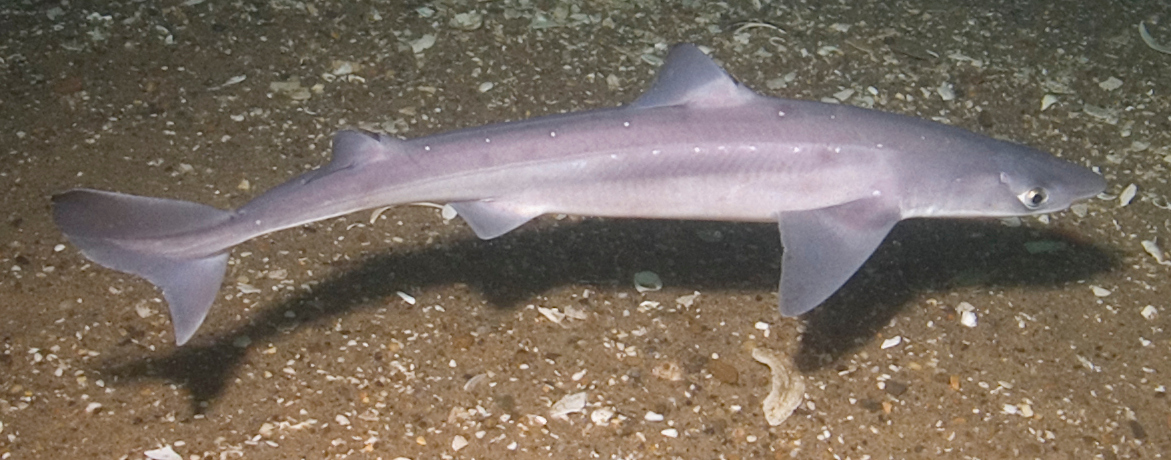
Scientists Find a Hormone in Spiny Dogfish Sharks That Experts Thought Sharks Lacked
A study in Canada detected cortisol in the blood of a small shark species.

A Big Genetic Study of Cat Cancer Finds Surprising Links to Human Cancer
University of Guelph researchers studied tumors from almost 500 cats and say the results could help both species.