
Nature
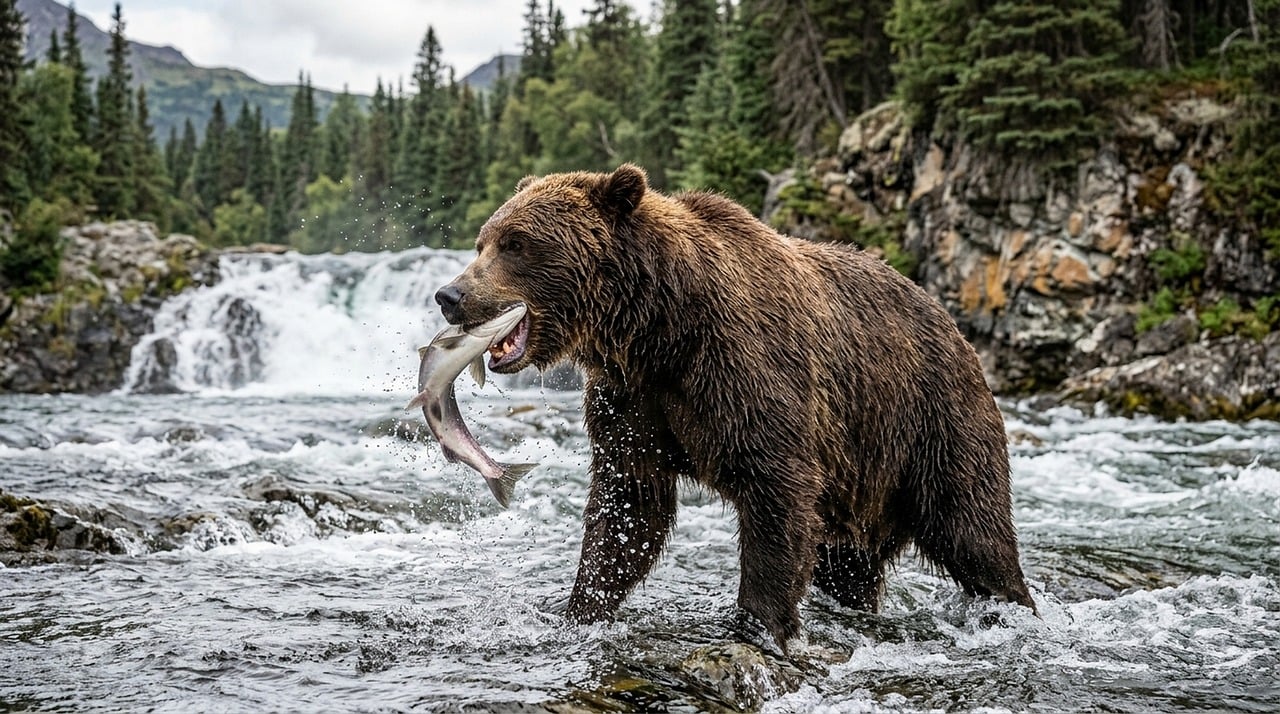
Across the U.S., Removing Old Dams Is Helping Fish Swim Home
More than 2,300 dams have been taken out since 1912, and fish such as herring are returning in the Northeast.
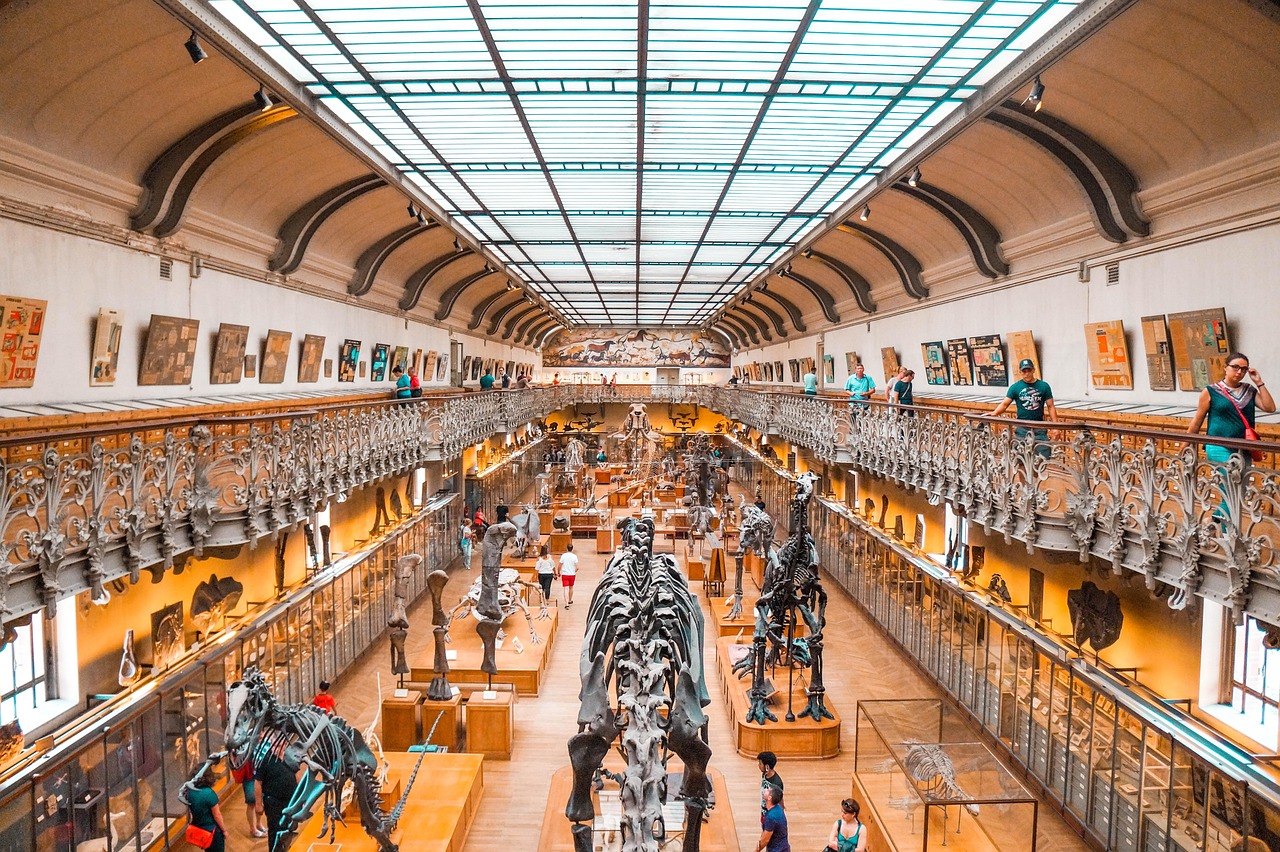
A Tiny Swimming Hunter From the Jurassic Helps Explain How Mammals Evolved
The 165-million-year-old fossil of Megacauda sungei has a soft palate that lets an animal swallow and breathe.
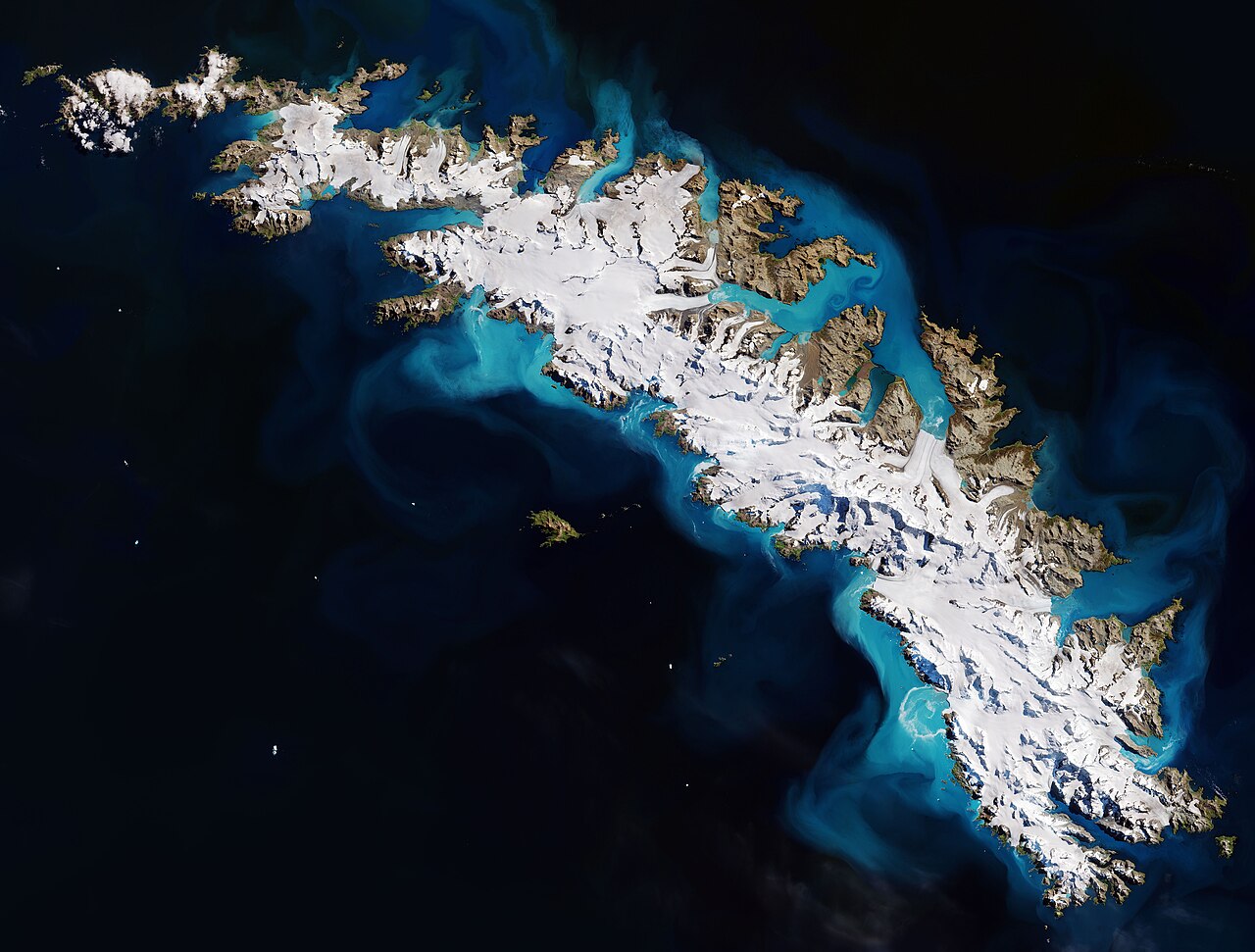
Europe's New Sentinel-3C Satellite Sends Back Its First Images of Earth
Two weeks after launch, the satellite showed the snowy Alps, frozen Arctic islands and turquoise Caribbean waters.
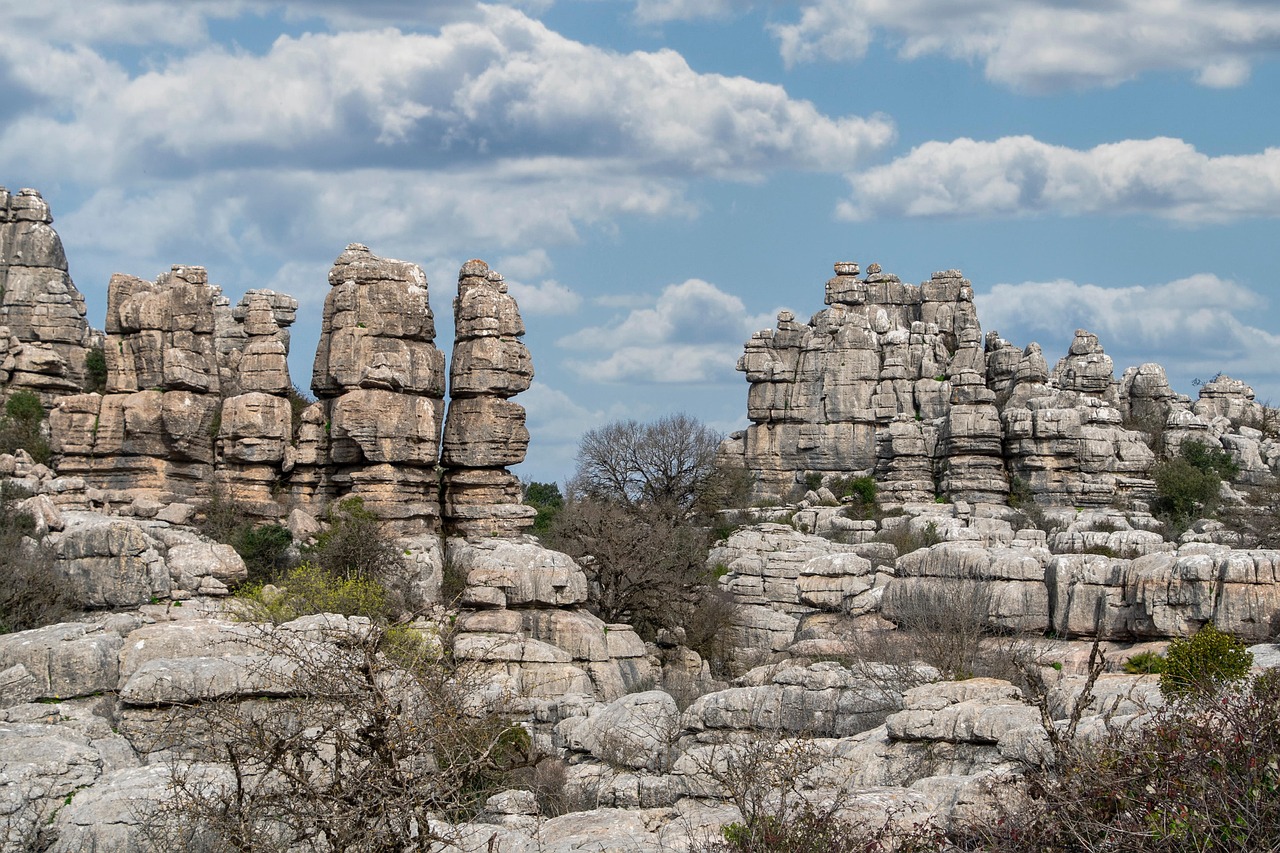
Ancient Rocks Reveal How Earth Kept Its Oxygen for Billions of Years
Scientists say a cycle in the oceans that recycled the nutrient phosphorus may be the answer.

A DNA Reshuffle Long Ago May Explain Octopus Intelligence
University of Vienna scientists say the way DNA is folded may have helped octopuses, squid and cuttlefish get smart.
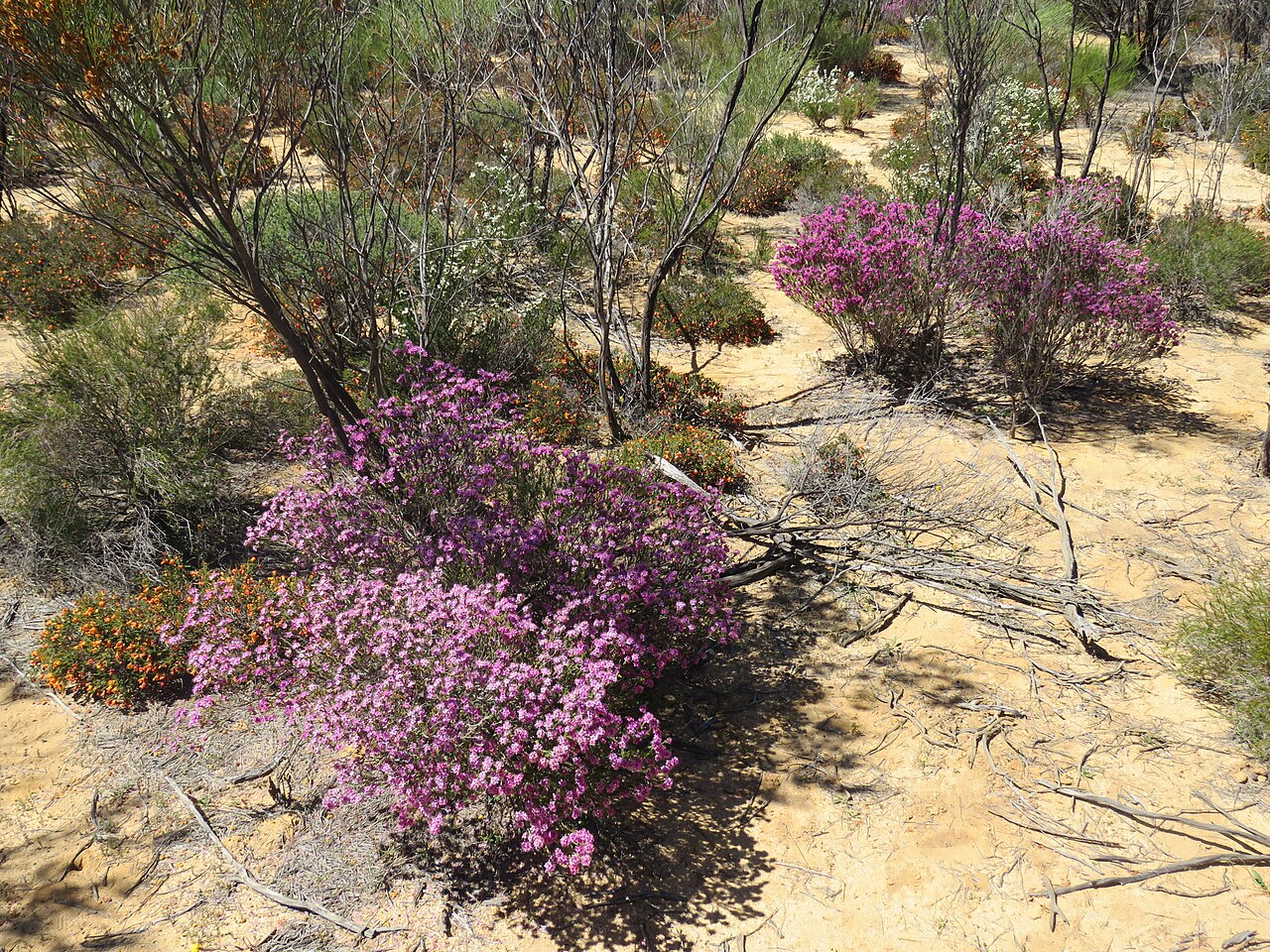
NASA Satellites Show Australia's Red Outback Covered in Wildflowers
Heavy rain has turned a dry region of Western Australia into a colorful carpet of blooms.

Why a Mushroom Disease Has Been Hard to Stop for 100 Years
University of Florida scientists found it involves more than 17 kinds of harmful bacteria, not just one.

An Astronaut Photographs a Patch of Madagascar That Looks Like the Moon's Bright Highlands
The pale rock, called anorthosite, is common on the Moon and is at least 600 million years old on Earth.
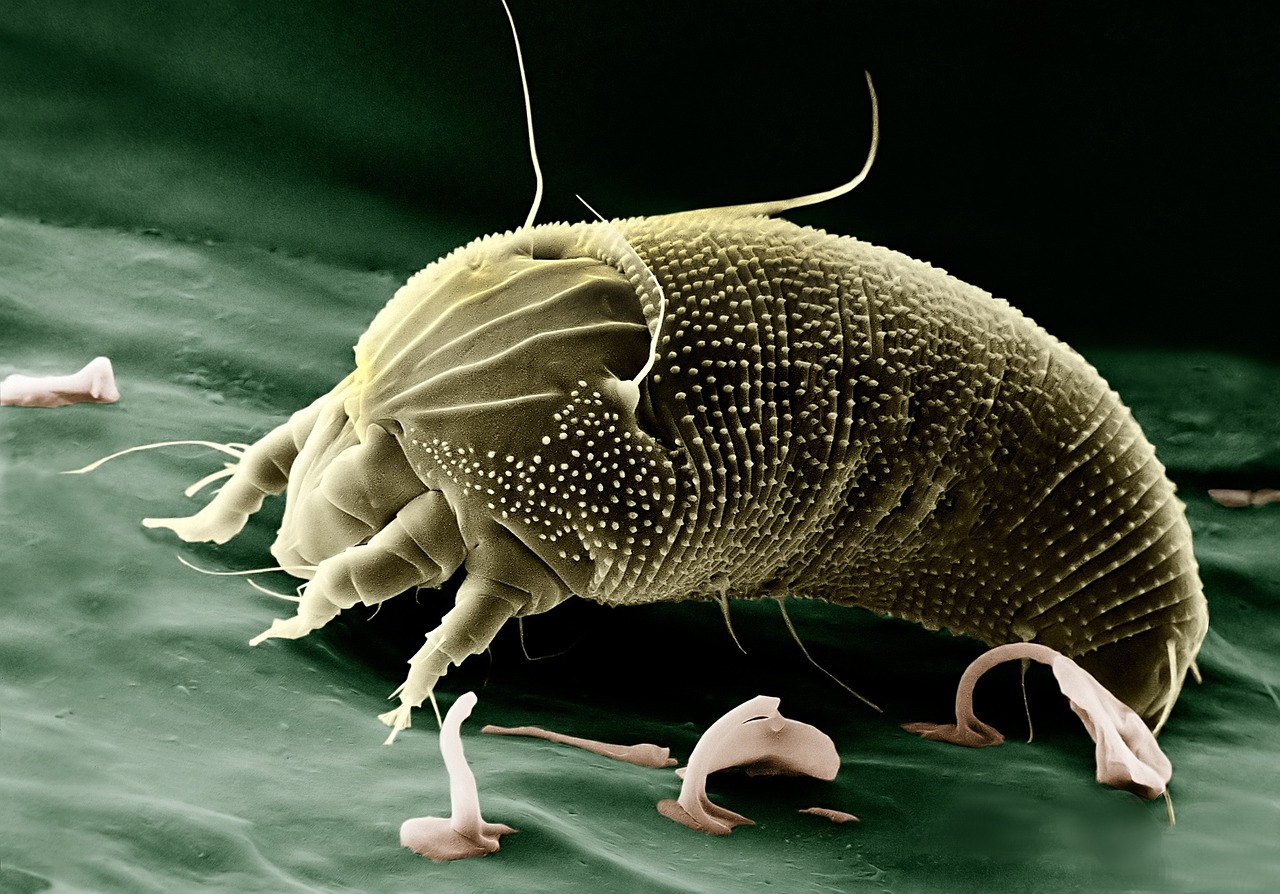
A Tiny Pond Creature Reads DNA With Different Rules
Scientists testing a new method found a protist that breaks a rule once thought to apply almost everywhere.
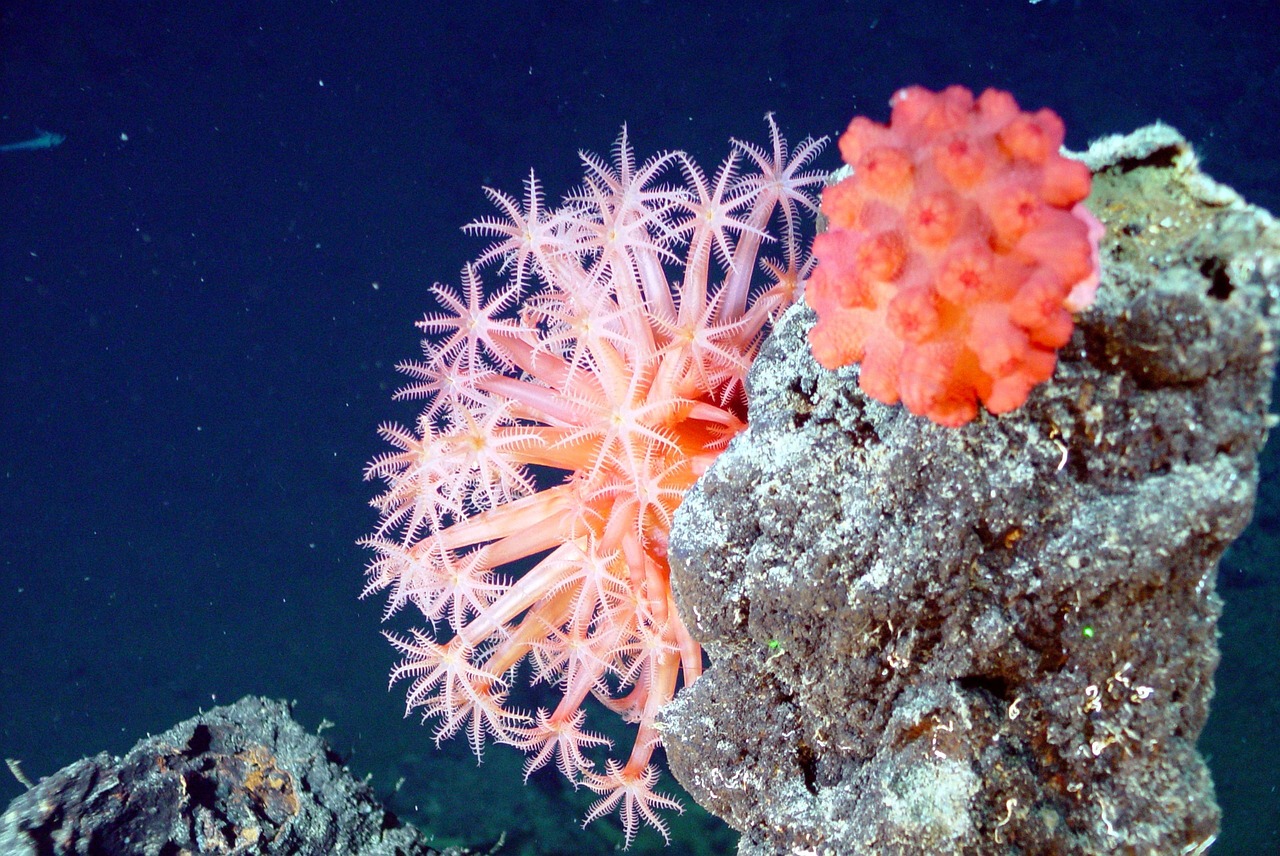
Scientists Name a New Golden Coral After Tolkien's Elvish Language
The bright yellow, tree-shaped coral off Costa Rica was so unusual that it needed its own new family.
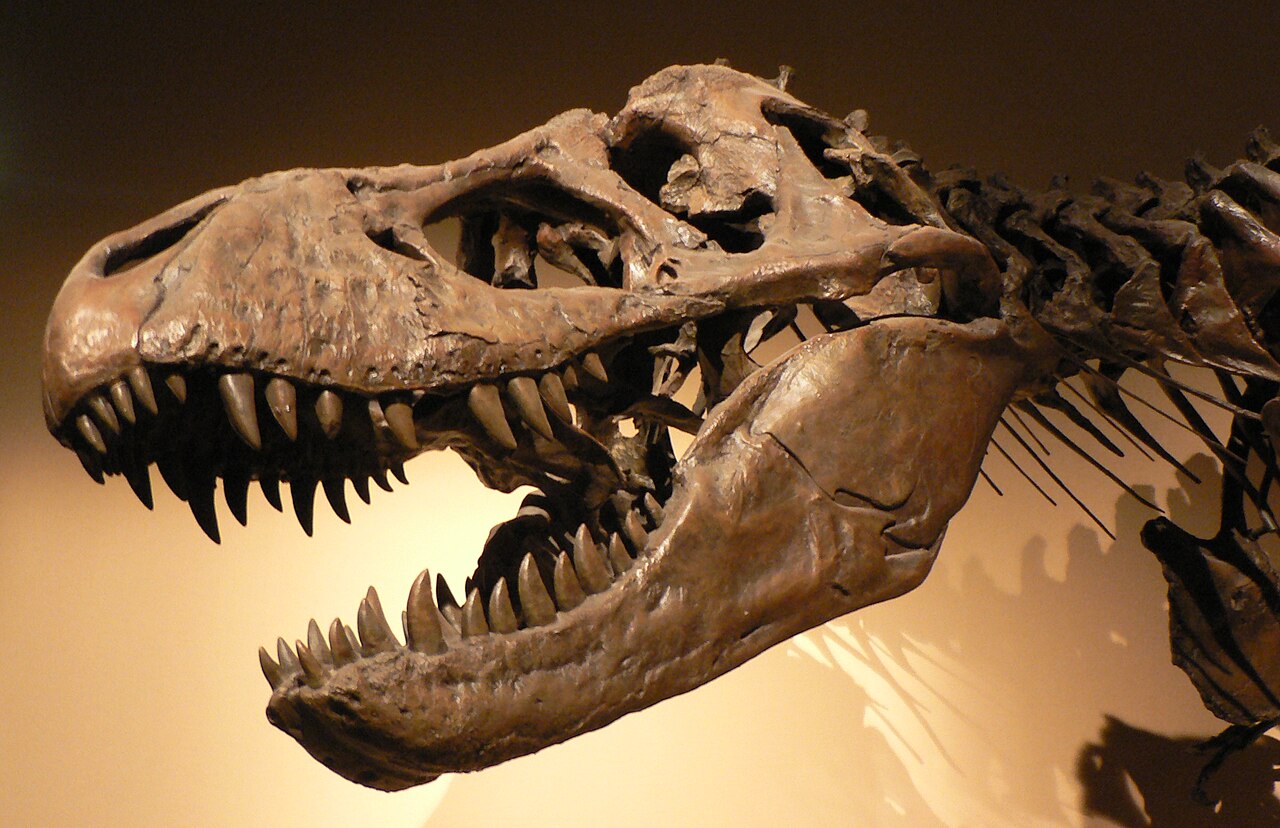
Five Discoveries That Changed How We See T. rex
Scientists once pictured a slow, tail-dragging monster, and today they think it was hot-blooded and maybe feathery.

Ancient Pottery Shows Chocolate Reached Georgia About 1,000 Years Ago
Scientists found traces of cacao on pottery near the Etowah Indian Mounds, the earliest known east of the Mississippi River.

Archaeologists Piece Together the "Invisible" Rope and String of the Stone Age
Fibers rarely survive, but a mammoth-ivory tool from Germany shows early humans could make strong rope.