
New Study Traces the Family Tree of Ancient Brachiopods
Researchers at the University of St Andrews have mapped how brachiopods are related to their closest living relatives.
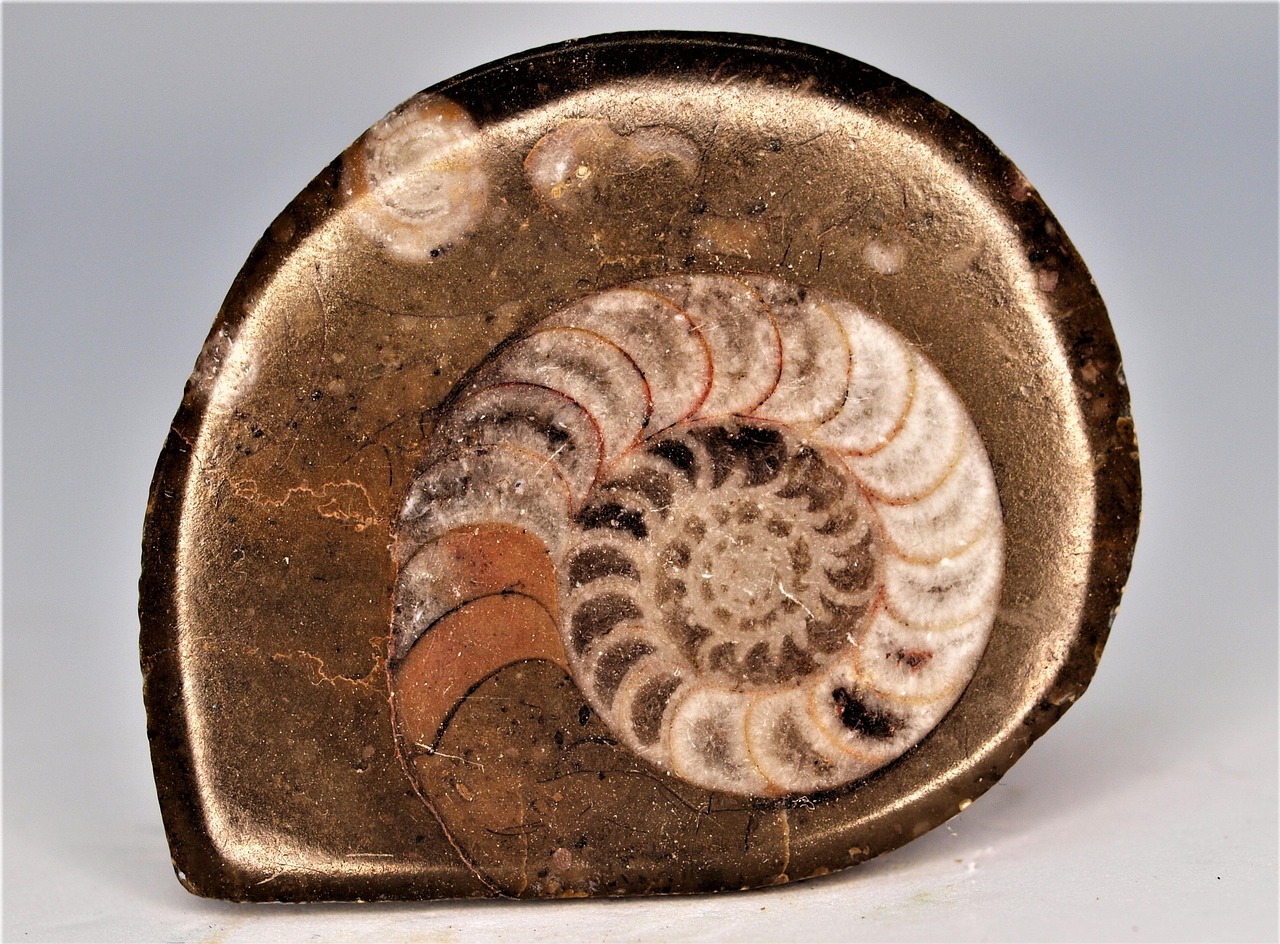
New research from the University of St Andrews looks at how brachiopods evolved. The work was published in Science Advances. According to Phys.org, the study presents the first comprehensive phylogenomic analysis (a study of evolutionary relationships using genetic information) of all five extant (still living) brachiopod orders and related lineages.
Brachiopods belong to a single evolutionary group called Lophophorata. Their closest relatives are a sister group made up of bryozoans and phoronids. Bryozoans are also known as moss animals, and phoronids are commonly called horseshoe worms. All three groups share a common wormlike ancestor, in which the lophophore organ evolved. The lophophore is a ciliated crown of tentacles (a ring of small hair-like parts) used for feeding and breathing.
Brachiopods have a long history on Earth. They appear in the fossil record from the earliest Cambrian, about 540 to 520 million years ago. They have survived all known mass extinctions, and they can still be found in the world's oceans today.
A brachiopod's body is enclosed by two mineralized valves (hard shell parts), which are commonly made of calcium carbonate. The two shell halves differ in shape. This is unlike bivalves, such as clams, whose halves are mirror images of each other.
The research also found that brachiopod shell mineralogy (the mineral make-up of the shell) changed at least once during their evolution. Brachiopods first evolved a calcitic shell and later developed an organophosphatic shell, made mainly of calcium phosphate. Dr. Hana Jurikova, from the University of St Andrews, is a co-author of the study.
More in Animals
Canada's Wildlife Protection Listings Are Running Behind Schedule
New research finds that species needing legal protection under Canada's Species at Risk Act are waiting far longer than expected.
Immune Cells Can Both Block and Help Bone Regrowth in Mice
A study of mouse fingertips found that some immune cells slow bone repair while others protect it.
Scientists Find a Hormone in Spiny Dogfish Sharks That Experts Thought Sharks Lacked
A study in Canada detected cortisol in the blood of a small shark species.