
Did Queen Elizabeth I's Secretaries Add Anger to Her Letters?
A historian studied more than 500 letters and found that her helpers may have shaped how her feelings were written.
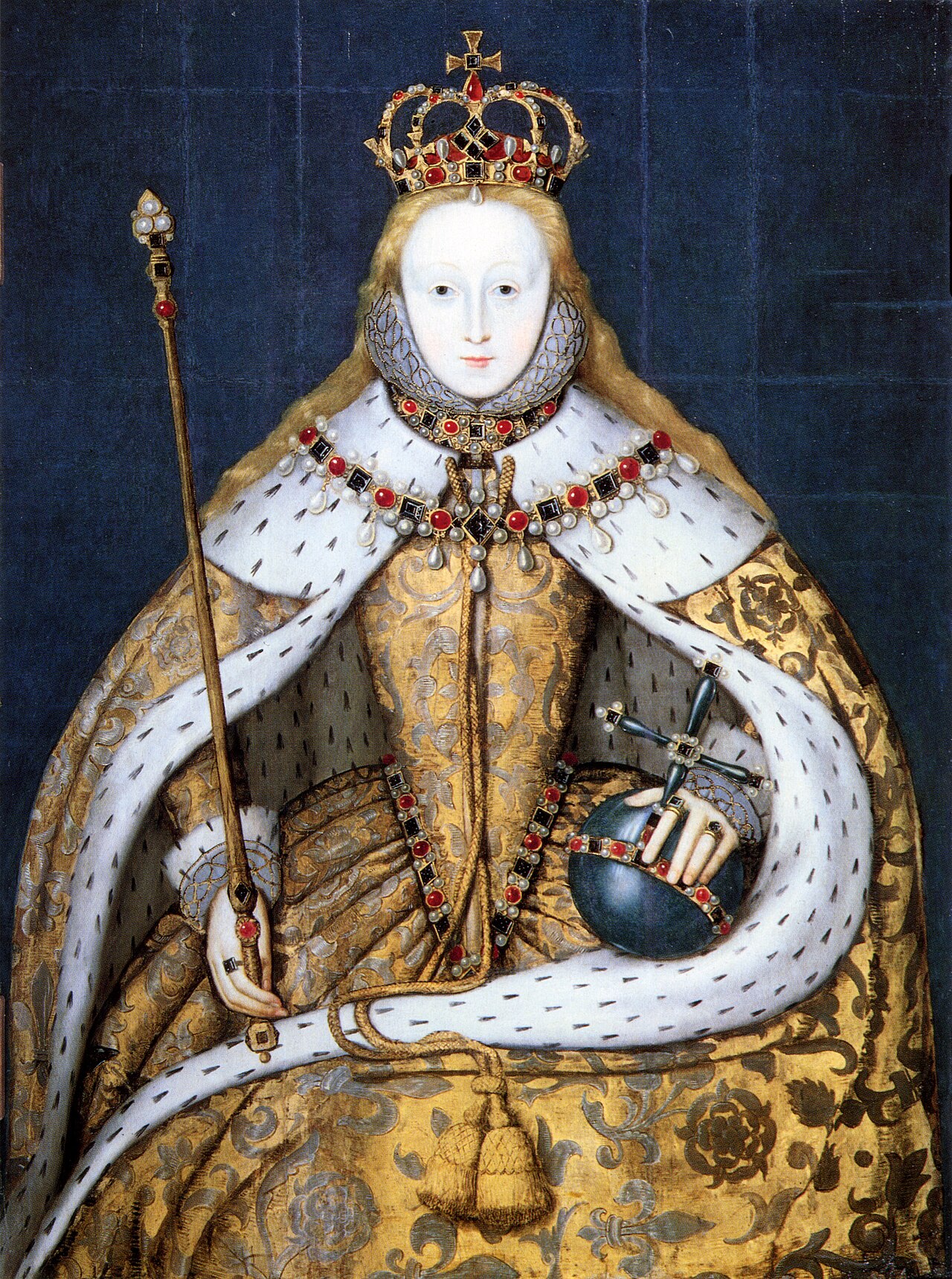
On February 10, 1586, Queen Elizabeth I wrote one of her most famous letters. It was an angry message to Robert Dudley, Earl of Leicester, one of her favorite courtiers, who had disobeyed her. She wrote that she was treated with contempt and warned him that he must obey "at your uttermost peril."
The queen's fury seems to jump off the page. But the only surviving copy of the letter was written by a secretary named Francis Mylles, who worked for Elizabeth's principal secretary, Francis Walsingham. Did Mylles and Walsingham help write what seems like a personal letter from the queen? Without the original, no one can say for sure.
A researcher who wrote in Smithsonian magazine has studied more than 500 of Elizabeth's other letters. She found that the way the queen showed emotion in her letters was often carefully built by her secretaries. About 3,000 of Elizabeth's letters still exist, and nearly all of them were written out by scribes. Historians have often paid less attention to these "scribal letters," and have focused on the ones in the queen's own handwriting, hoping to find her real voice. But the letters were often written together by the queen and her staff.
Separating them was the topic of the researcher's PhD, which was part of the Feathers project led by Nadine Akkerman, a scholar at Leiden University in the Netherlands. The project tries to tell the difference between a writer's voice and a scribe's voice in manuscripts from the early modern period, about 1500 to 1800.
How can anyone tell them apart? You might guess that the emotional parts are Elizabeth's own, because secretaries would not have dared to guess or express the queen's feelings without being told. Secretaries were also expected to use formal, calm language and to soften emotion so that the person who received the letter stayed friendly.
But the research showed a more complicated picture. Elizabeth's letters survive in many versions, including drafts, final letters and copies. By putting these versions together, studying handwriting and comparing the words closely, the researcher found evidence that the secretaries carefully crafted the way emotion was shown.
About this story
Source: Smithsonian. Spotted a mistake? Tell us.
More in Education
Ulster University Drops Plans for Londonderry Sports Dome
The university has scrapped a planned indoor sports dome after spending £800,000 on the project, according to BBC News.
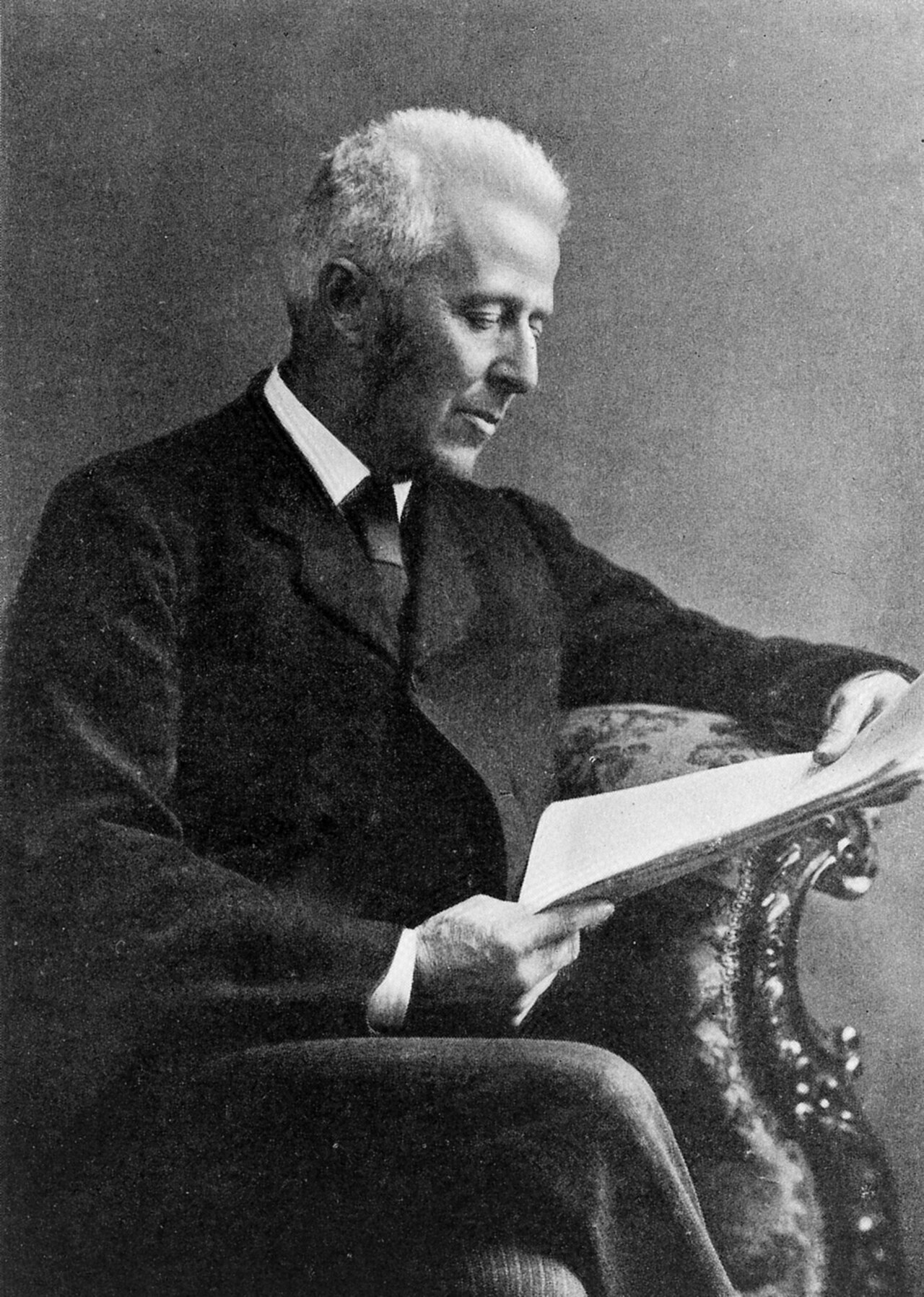
The Real Doctor Who Inspired Sherlock Holmes
A new book tells the story of Joseph Bell, an Edinburgh surgeon who taught his students to notice small clues.

A Potty Training Plan in York Is Spreading to 20 More Areas of England
After parents received guides with school offers, fewer children started reception not toilet-trained.