
Stimulating a Nerve After Practice Helped Mice Learn a Skill More Strongly
Tohoku University researchers say the vagus nerve may open a "hidden window" for learning to stick.
Why do some new skills click quickly while others stay hard even after practice? The answer may depend on more than talent or effort. It may also depend on whether the brain is ready to turn practice into lasting learning.
Researchers at Tohoku University in Japan found that stimulating the vagus nerve right after training made mice learn more strongly over the long term. The vagus nerve is a major path between the brain and the body. It carries signals from the internal organs to the brain, and also sends instructions from the brain back to the organs. Doctors already use vagus nerve stimulation, or VNS, to treat several conditions. The new study, published in iScience, suggests the body can help the brain learn in a way not noticed before.
The scientists made a small cuff electrode that stays attached to the vagus nerve in the neck of mice. They tested VNS during a learning task called HOKR, which trains the mice to follow moving stripes with their eyes. It is similar to the way a person's eyes automatically follow a train that passes by.
The stimulation was given only after each training session, not during it. It did not improve performance right away, but on following days the mice that had received VNS showed stronger long-term learning. This suggests the stimulation affects what happens after training, when the brain is turning what it has learned into a lasting memory. Professor Ko Matsui said the key point is that VNS was given only after training, and that it may open a hidden window of opportunity by making the brain more receptive to long-lasting change.
The team then looked for changes inside the brain that went with better learning. They measured the amount of blood near the cerebellar flocculus, an area involved in this task, and found rhythmic changes in the brain's blood vessels. The results come from mice, and more research is needed to know whether the same is true in people.
About this story
Source: ScienceDaily. Spotted a mistake? Tell us.
More in Education
Ulster University Drops Plans for Londonderry Sports Dome
The university has scrapped a planned indoor sports dome after spending £800,000 on the project, according to BBC News.
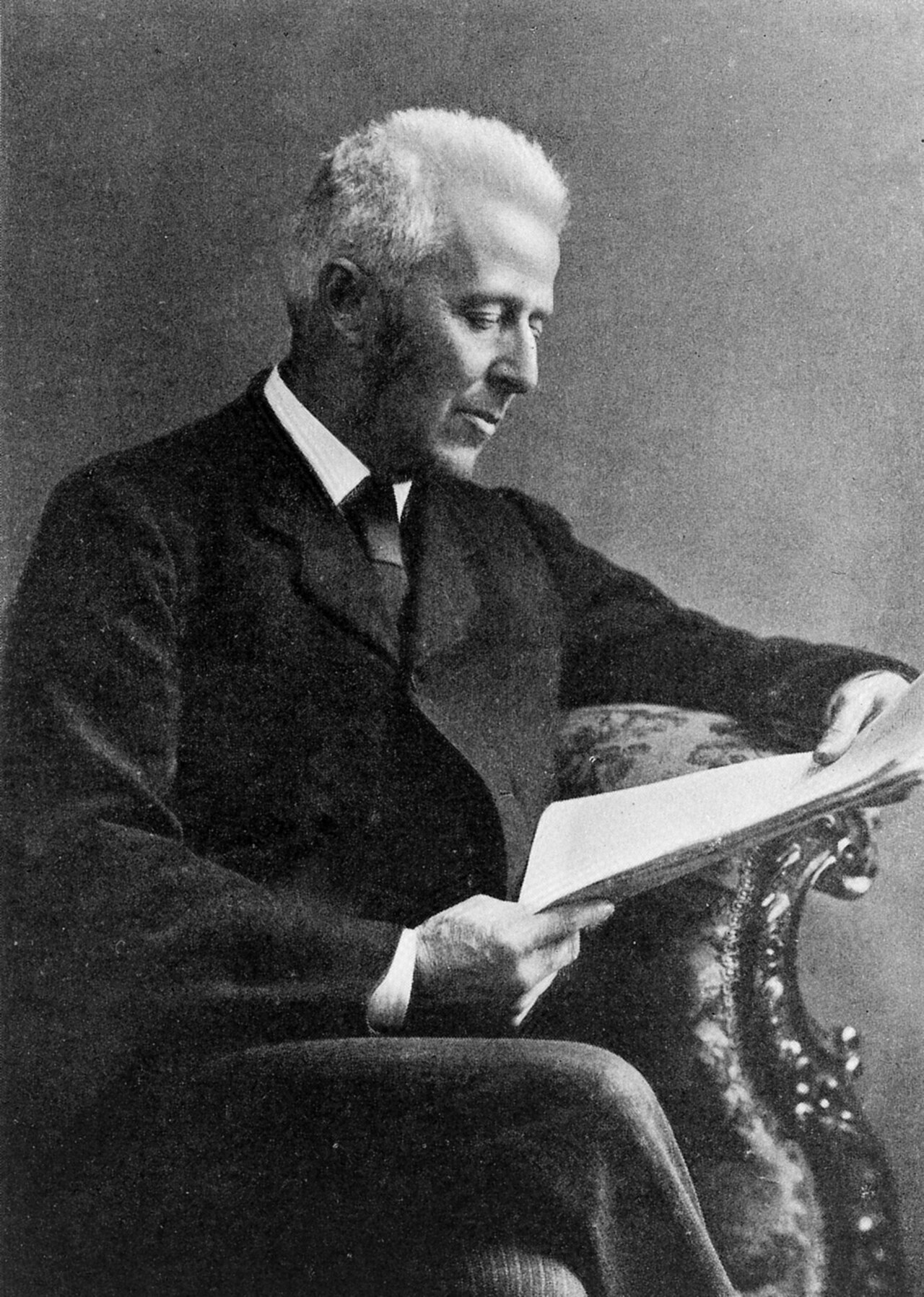
The Real Doctor Who Inspired Sherlock Holmes
A new book tells the story of Joseph Bell, an Edinburgh surgeon who taught his students to notice small clues.

A Potty Training Plan in York Is Spreading to 20 More Areas of England
After parents received guides with school offers, fewer children started reception not toilet-trained.