
Scientists Link a Brain Protein to Aging Changes in Mice
Restoring a protein called Menin improved memory, balance and bone mass in older mice within 30 days.
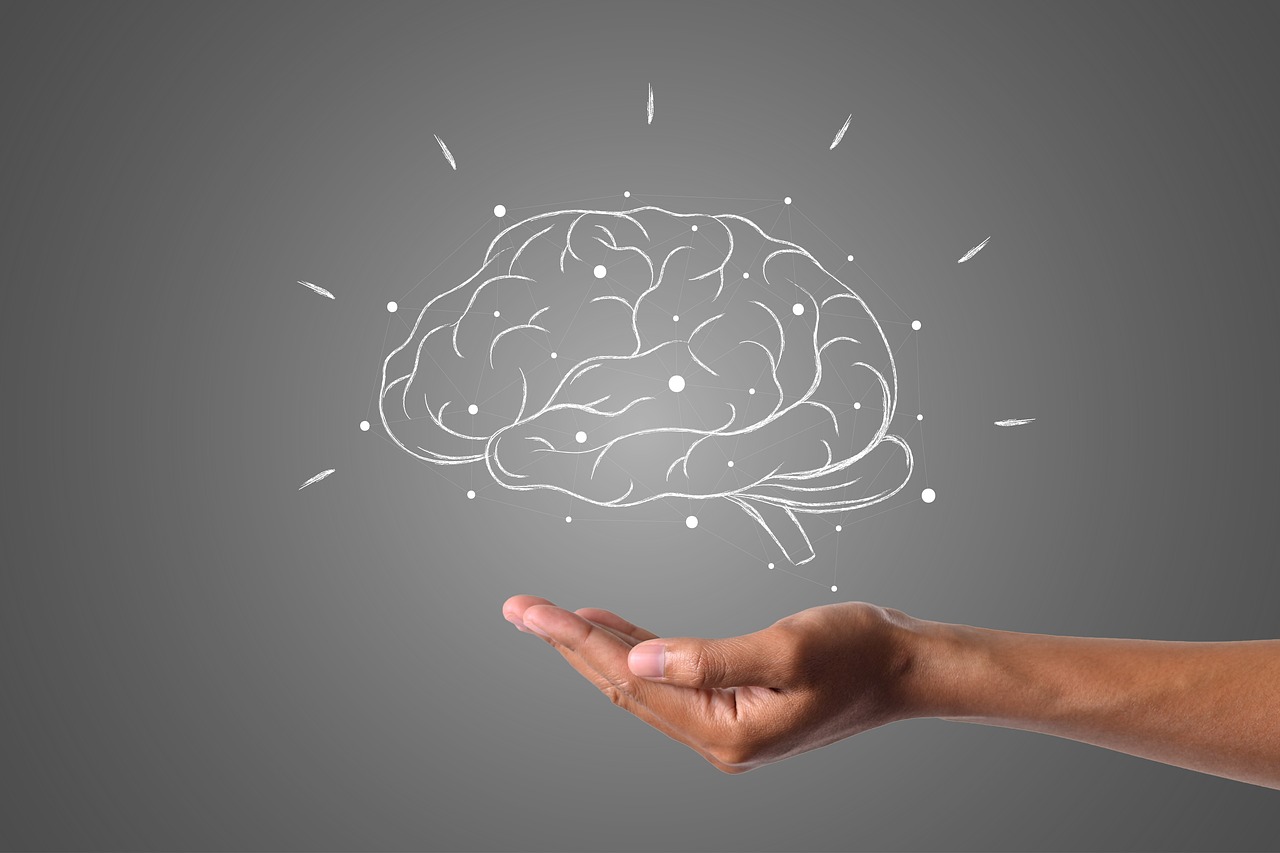
What if some of the changes we link to aging begin with the loss of one protein in the brain? Researchers who tested that idea found that restoring a protein called Menin in older mice improved their memory, balance, bone mass and skin thickness in just 30 days. A natural amino acid also improved their learning and memory in only three weeks.
The study was first published in March 2023 in PLOS Biology by a team led by Lige Leng of Xiamen University in China. It pointed to a link between inflammation, brain chemistry and aging across the body. The results come from mice, but they raise an interesting idea: some effects of aging could be shaped by processes in the brain that scientists might one day learn to change. Newer research has added evidence that the brain helps control aging. It also shows why simple supplement results need careful reading.
The center of the story is the hypothalamus, a small but powerful part near the base of the brain. It helps control body temperature, hunger, metabolism, sleep and hormones, so changes there can affect the whole body. Scientists suspect that one reason is neuroinflammation, the brain's inflammatory response. Inflammation helps fight infections and injuries, but when it lasts too long it can harm normal cell function and add to age-related decline.
The team had earlier found that Menin helps hold back inflammation in the hypothalamus, and that it also helps regulate gene activity. The researchers wanted to know what happens when this protective protein fades with age. They found that Menin levels dropped over time in certain nerve cells of the hypothalamus in older mice. They did not drop in two other kinds of brain cells, astrocytes and microglia.
To test whether the drop really adds to aging, the scientists made genetically modified mice in which Menin could be switched off. Mice with less Menin had more inflammation in the hypothalamus, thinner skin, less bone mass and worse thinking performance, and their lives were slightly shorter. So losing Menin did not just go along with aging. It seemed able to help cause some of its typical changes.
About this story
Source: ScienceDaily. Spotted a mistake? Tell us.
More in Health

A Study Finds That What People Do on Their Phones May Matter Most
Researchers say self-control and fear of missing out play a bigger role in problem phone use than personality.
Gut Bacteria May Change How Many Calories Your Body Absorbs
Arizona State University researchers built a model showing food labels may not tell the whole story.
Vanilla's Flavor Compound May Have a Future in Wound Care
Researchers in Australia say vanillin has properties that could help fight germs and swelling.