
A Guide to 11 Kinds of Vinegar and How Each Is Made
Bon Appétit breaks down 11 types of vinegar, from apple cider to traditional balsamic.
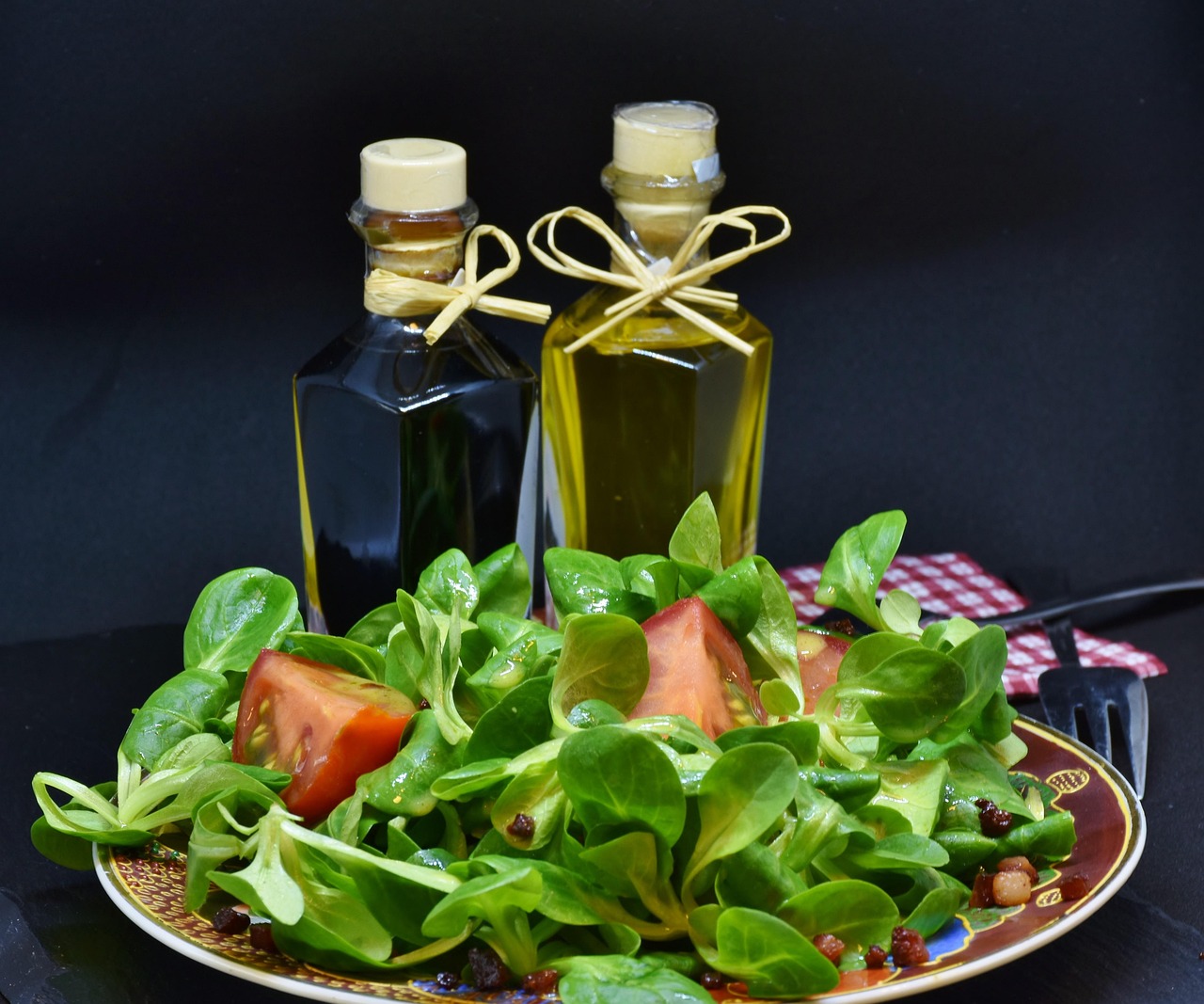
Vinegar is a sour liquid that many cooks use in their kitchens. According to Bon Appétit, the article breaks down 11 types of vinegar, and each one starts in a different way.
All vinegar begins with alcohol. Bacteria [tiny living things] change that alcohol into acetic acid, which gives vinegar its sour taste.
The starting ingredient, fermentation [a slow change caused by tiny living things], and aging all help decide the flavor of a vinegar. Each step can make a vinegar taste different.
Apple cider vinegar is made by fermenting apples into hard cider, and then fermenting that cider into vinegar. Distilled white vinegar is made by fermenting distilled alcohol, which is often made from grains.
Red wine vinegar begins with wine that goes through a second fermentation. White wine vinegar has a lighter and more delicate flavor than red wine vinegar.
Champagne vinegar is usually made from wines produced with the same grape varieties as Champagne. However, it does not necessarily come from Champagne wine.
Sherry vinegar is made from sherry wine and aged in wooden barrels. Vinagre de Jerez must age in wooden barrels for at least 6 months.
Traditional balsamic vinegar made in Modena or Reggio Emilia, Italy starts with cooked grape must, which is the juice of crushed grapes. It ages in wooden barrels for at least 12 years.
About this story
Source: Bon Appetit. Spotted a mistake? Tell us.
More in Kitchen

A Long Weekend of Food and Drink in Edinburgh
One writer spent a weekend eating and drinking through Edinburgh, from Cullen skink to a Michelin-starred final dinner.

A Warm Lentil and Sausage Skillet Dinner for Four
This one-pan recipe pairs smoked sausages with tender French green lentils, onion, celery, carrot, and apple cider.
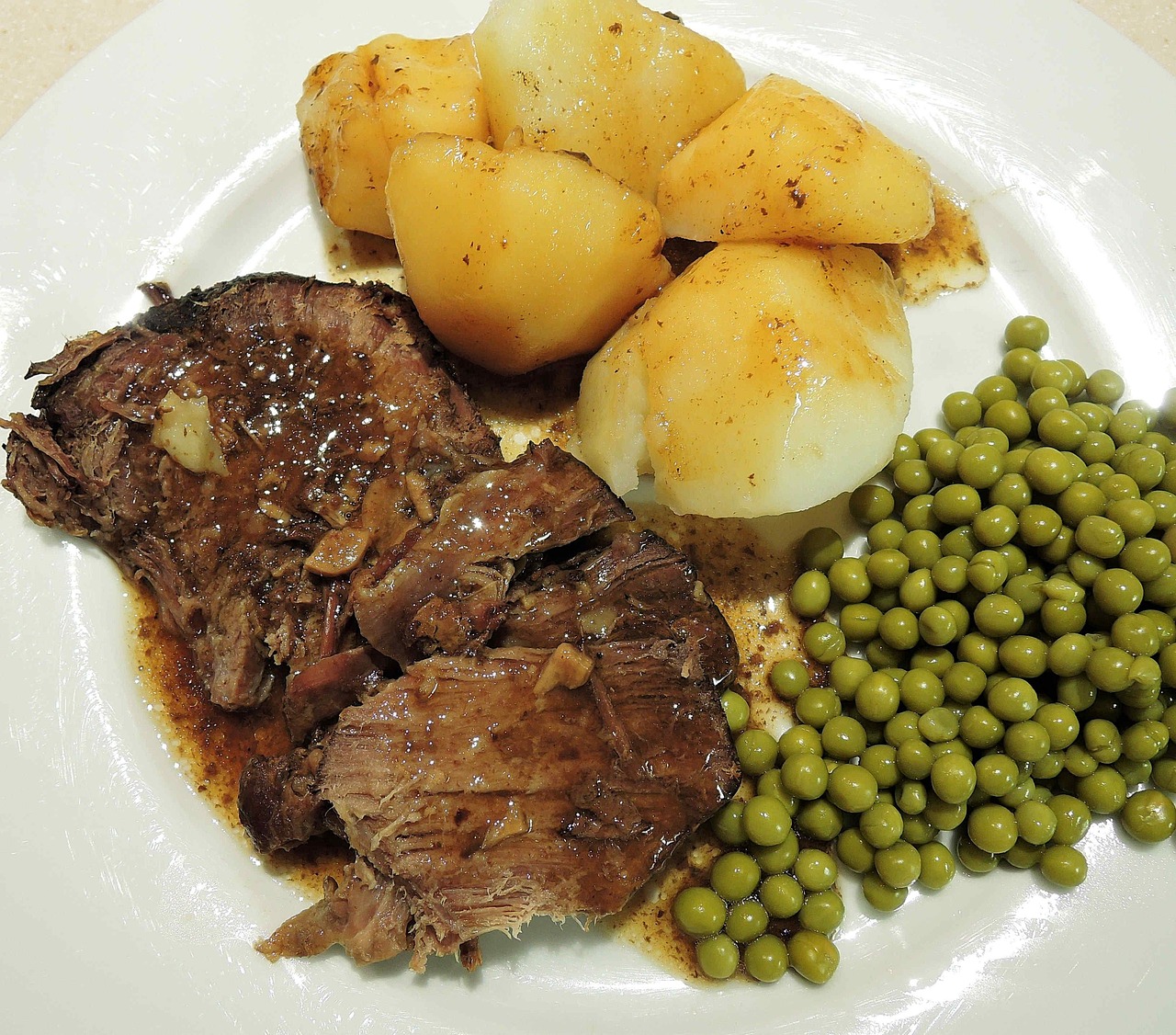
Korean BBQ Sauce Turns Pot Roast Into a Savory Family Dinner
A simple oven braise uses Korean BBQ sauce to make tender beef chuck with carrots and potatoes, according to The Kitchn.