
A Tiny Pond Creature Reads DNA With Different Rules
Scientists testing a new method found a protist that breaks a rule once thought to apply almost everywhere.
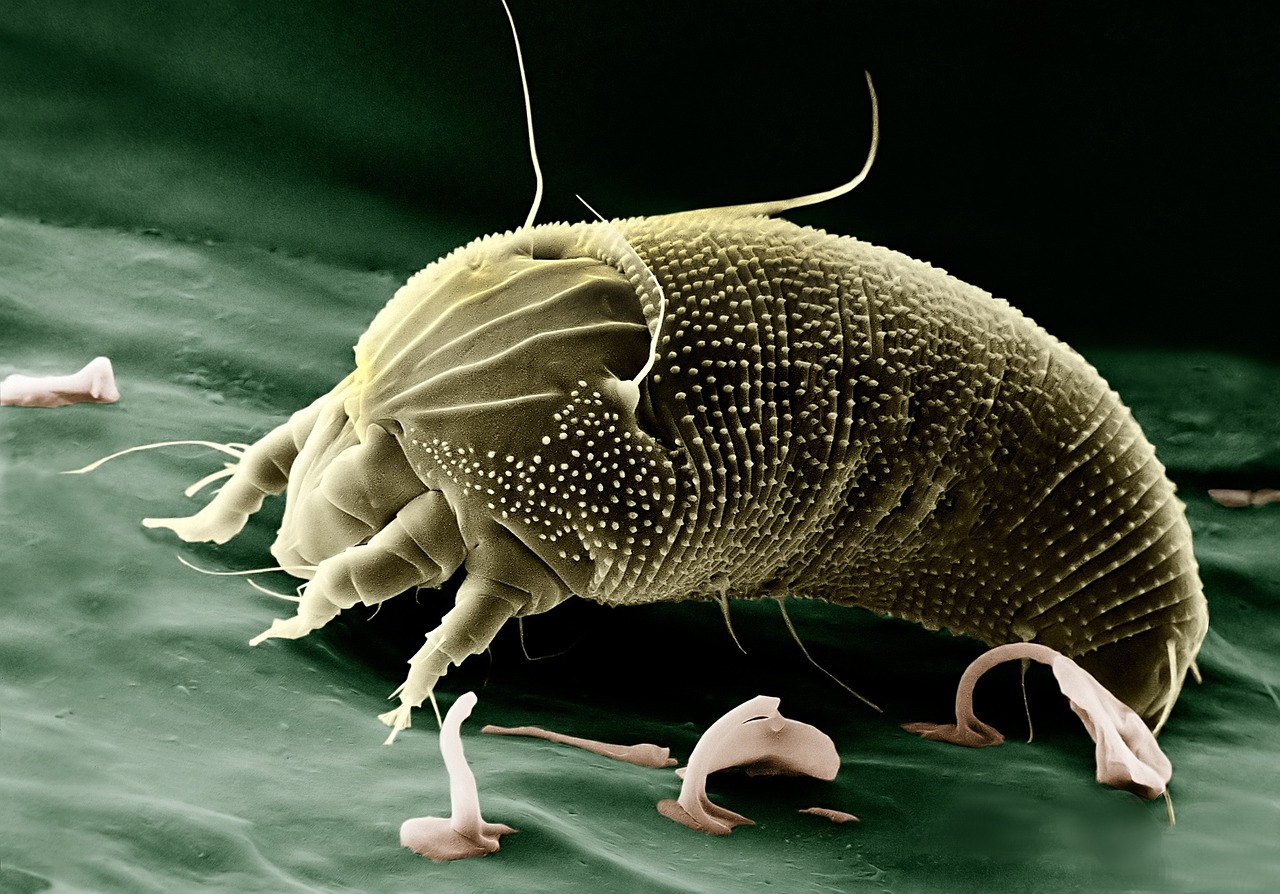
A simple experiment with a microscopic creature from a pond led scientists to a surprising discovery. The tiny organism reads the instructions in DNA in a way that had never been seen, which challenges an idea scientists have held about the genetic code, according to ScienceDaily.
The creature is a protist, which is a mostly tiny organism, and it is a species that had not been identified before. Two genetic signals normally tell a cell to stop making a protein. In this organism, they do something else. They had been reassigned to stand for two different amino acids, the building blocks of proteins. Scientists believed those two signals were closely linked in evolution, so this is unusual. The results appeared in the journal PLOS Genetics, and later research has found more genetic code changes in related microbes.
The discovery was made by Dr. Jamie McGowan, who was then a scientist at the Earlham Institute. He was studying a protist from a pond at Oxford University Parks in England. The project was meant to test a DNA sequencing method that can analyze tiny amounts of genetic material, even from a single cell. McGowan worked with scientists at the Earlham Institute and a group led by Professor Thomas Richards at the University of Oxford. They were trying to improve tools for studying organisms that are hard to grow in a lab. When they put together the genome, which is an organism's complete set of DNA, they noticed that its instructions followed unusual rules. McGowan said it was sheer luck that they picked this protist to test the method, and it shows how little we know about the genetics of protists.
Protists are among the most varied and least understood groups of life. Many have just one cell and are too small to see without a microscope, like amoebas, some algae and diatoms. Not all are tiny, though. The group also includes kelp, slime molds and red algae, some of which grow large. The group is so varied that scientists often define it by what it leaves out, as everything that is not another major branch of life.
About this story
Source: ScienceDaily. Spotted a mistake? Tell us.
More in Nature
Across the U.S., Removing Old Dams Is Helping Fish Swim Home
More than 2,300 dams have been taken out since 1912, and fish such as herring are returning in the Northeast.

A Tiny Swimming Hunter From the Jurassic Helps Explain How Mammals Evolved
The 165-million-year-old fossil of Megacauda sungei has a soft palate that lets an animal swallow and breathe.
Europe's New Sentinel-3C Satellite Sends Back Its First Images of Earth
Two weeks after launch, the satellite showed the snowy Alps, frozen Arctic islands and turquoise Caribbean waters.