
An Astronaut Photographs a Patch of Madagascar That Looks Like the Moon's Bright Highlands
The pale rock, called anorthosite, is common on the Moon and is at least 600 million years old on Earth.
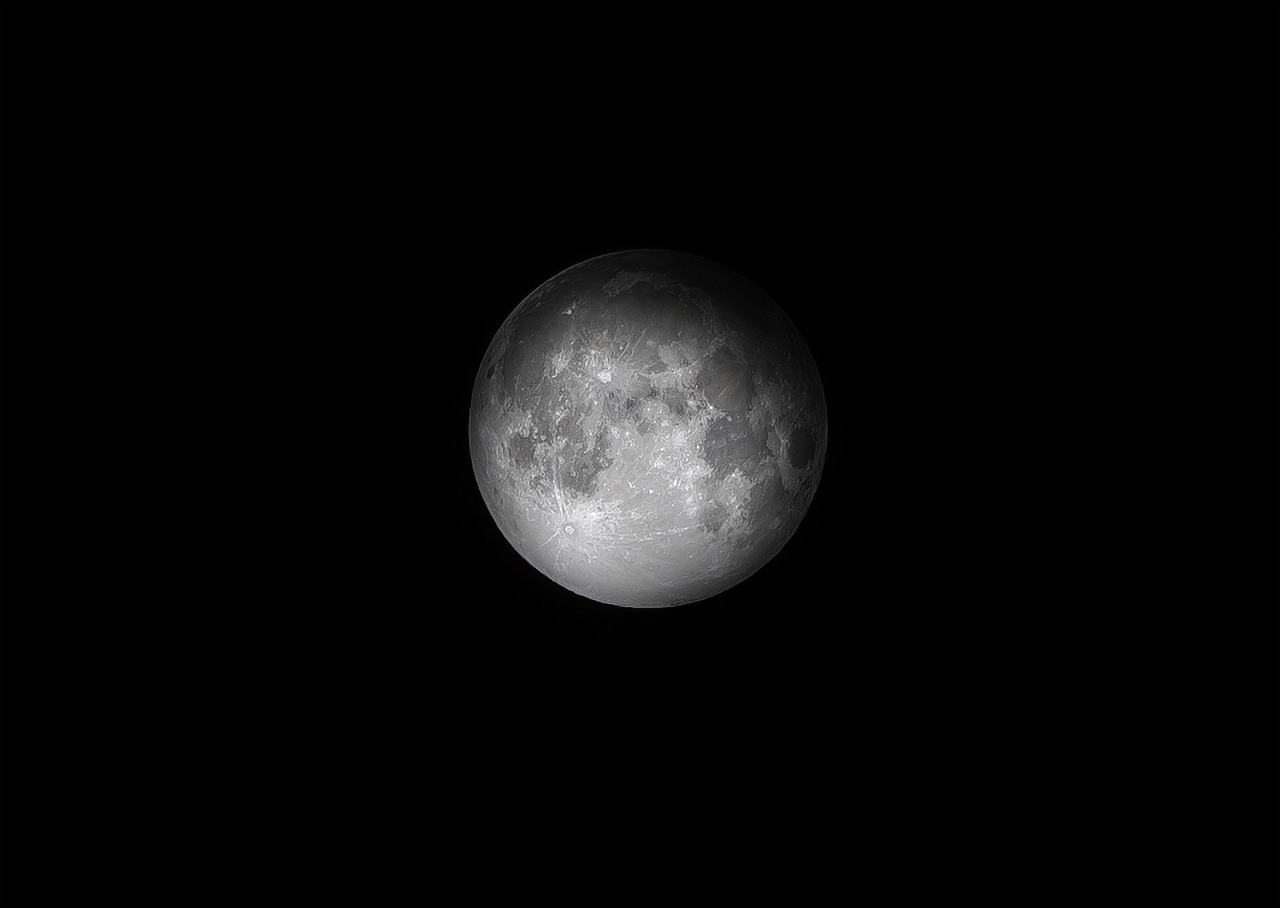
Seen from space, a bright, unusual patch of rock in southern Madagascar stands out against the dry landscape around it. According to NASA's Earth Observatory, it has a surprising link to the Moon. The rock is called anorthosite, and it makes up much of the Moon's bright highlands. Those light areas are visible with the naked eye when you look at the Moon from Earth.
Anorthosite is not found only on the Moon. There are big deposits in several places on Earth, including eastern Canada, Scandinavia, southern India and Madagascar. In southern Madagascar, one deposit forms a roughly round shape that is easy to pick out from the land around it.
On August 28, 2026, an astronaut on the International Space Station photographed this deposit, which is called the Saririaky anorthosite massif. Anorthosite is an intrusive igneous rock, which means it forms when melted rock cools and hardens underground. Because the cooling happens below the surface, the minerals have time to grow into fairly large crystals. Studies suggest the Saririaky formation began in the late Precambrian, at least 600 million years ago. Today, the exposed rock covers about 100 square kilometers (40 square miles).
The land around it tells a story too. The massif sits in what geologists call a ductile shear zone, where rocks are changed by powerful forces deep in Earth's crust. With enough heat and pressure, solid rock can bend and stretch instead of just breaking. This can also change the minerals and textures in the rock, which is called metamorphism. Long, roughly parallel features run north to south and record how strongly the rocks were bent.
Scientists think that much of this change happened when ancient pieces of land collided as the supercontinent Gondwana formed. Gondwana eventually included parts of today's Africa, India, Madagascar, Australia and Antarctica. As those pieces came together, great pressure and heat reshaped large parts of the crust.
About this story
Source: ScienceDaily. Spotted a mistake? Tell us.
More in Nature

Across the U.S., Removing Old Dams Is Helping Fish Swim Home
More than 2,300 dams have been taken out since 1912, and fish such as herring are returning in the Northeast.

A Tiny Swimming Hunter From the Jurassic Helps Explain How Mammals Evolved
The 165-million-year-old fossil of Megacauda sungei has a soft palate that lets an animal swallow and breathe.
Europe's New Sentinel-3C Satellite Sends Back Its First Images of Earth
Two weeks after launch, the satellite showed the snowy Alps, frozen Arctic islands and turquoise Caribbean waters.