
Ancient Pottery Shows Chocolate Reached Georgia About 1,000 Years Ago
Scientists found traces of cacao on pottery near the Etowah Indian Mounds, the earliest known east of the Mississippi River.
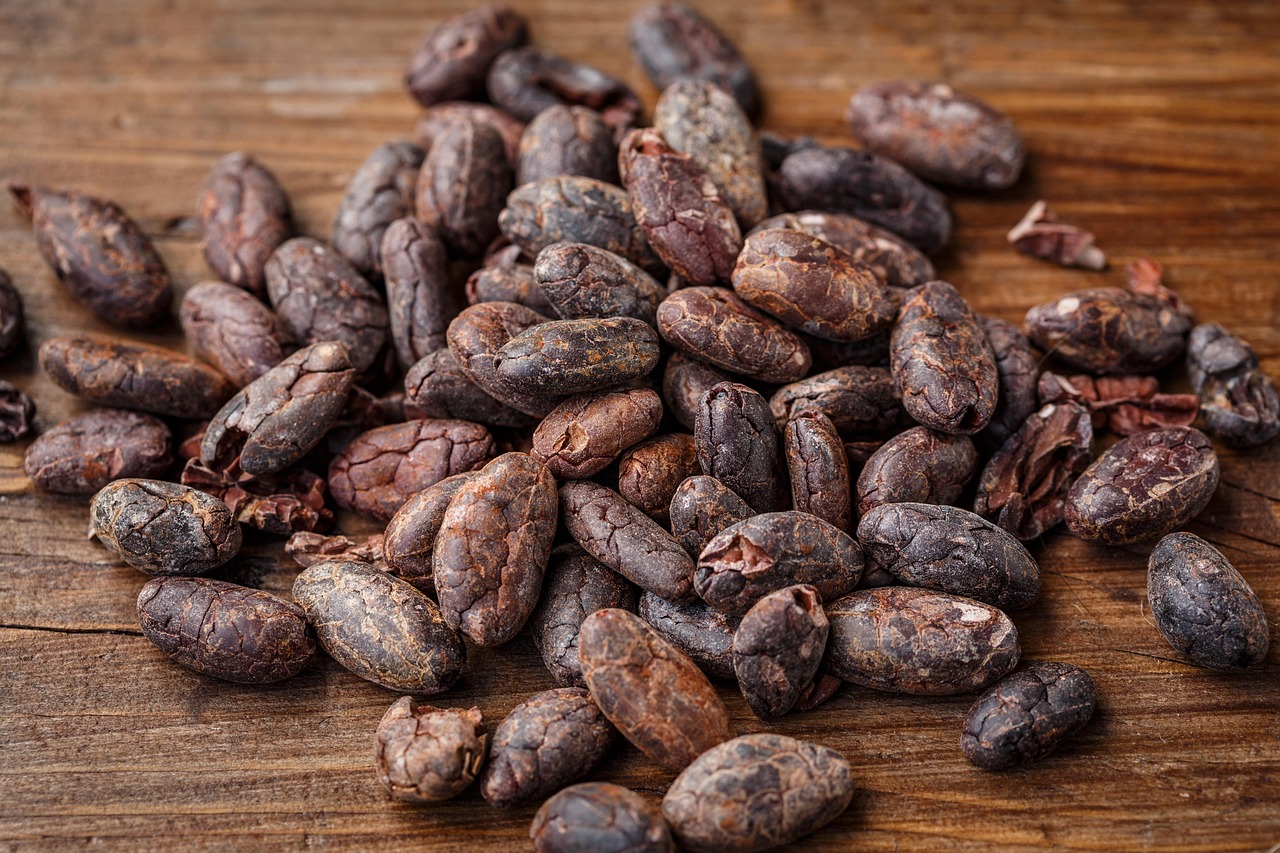
People in what is now Georgia may have enjoyed chocolate about a thousand years ago. A new study of residue on pieces of pottery near the Etowah Indian Mounds has found the earliest known traces of cacao east of the Mississippi River. The results were published on August 26 in the journal PLOS One. Archaeologist Adam King of the University of South Carolina says the Native American world of the Southeast was an international world where people were very connected.
Cacao is the plant whose beans are fermented and roasted to make chocolate. It began in Mesoamerica. Evidence from Ecuador suggests people were growing it about 5,300 years ago. By 1500 B.C.E. the Olmec people of southern Mexico were already making fermented chocolate drinks, and the Maya later used cacao beans as money. But little evidence had shown cacao in North America at that time. The new discovery shows that the beans had somehow reached Etowah by about the 11th century.
Etowah, just northwest of Atlanta, has six earthen mounds made by Native Americans in the Mississippian period. The tallest once rose about 64 feet, King says, and was built with red clay between 1000 and 1550 C.E. Building the mounds was probably a very ritual act. King says the mounds may have stood for the Earth, so by adding to them people were placing themselves in the cosmos.
The work was probably celebrated with feasts. In the 1950s, archaeologists found the leftovers of a feast from one of the earliest building phases, between 1050 and 1150 C.E. They included animal bones and pieces of pottery, called sherds, in a borrow pit, a hole left when red clay was dug up for the mounds. The pits were later filled with soil and trash, including the remains of the feast. The sherds were washed and stored for decades.
About ten years ago, King and archaeologist Terry Powis wanted to see whether the sherds held chocolate. They got permission from the Muscogee people, who consider Etowah sacred, to test the residue. They found four organic compounds from cacao, including caffeine, in all 31 sherds they tested. Other plants in the Americas also contain caffeine, such as several American holly species.
About this story
Source: Smithsonian. Spotted a mistake? Tell us.
More in Nature

Across the U.S., Removing Old Dams Is Helping Fish Swim Home
More than 2,300 dams have been taken out since 1912, and fish such as herring are returning in the Northeast.
A Tiny Swimming Hunter From the Jurassic Helps Explain How Mammals Evolved
The 165-million-year-old fossil of Megacauda sungei has a soft palate that lets an animal swallow and breathe.

Europe's New Sentinel-3C Satellite Sends Back Its First Images of Earth
Two weeks after launch, the satellite showed the snowy Alps, frozen Arctic islands and turquoise Caribbean waters.