
Most of Europe's Wild Bee Species Have Declined Over the Last Century
A new study finds that many of Europe's wild bees and hover flies have become less common, as world leaders gather to discuss nature.
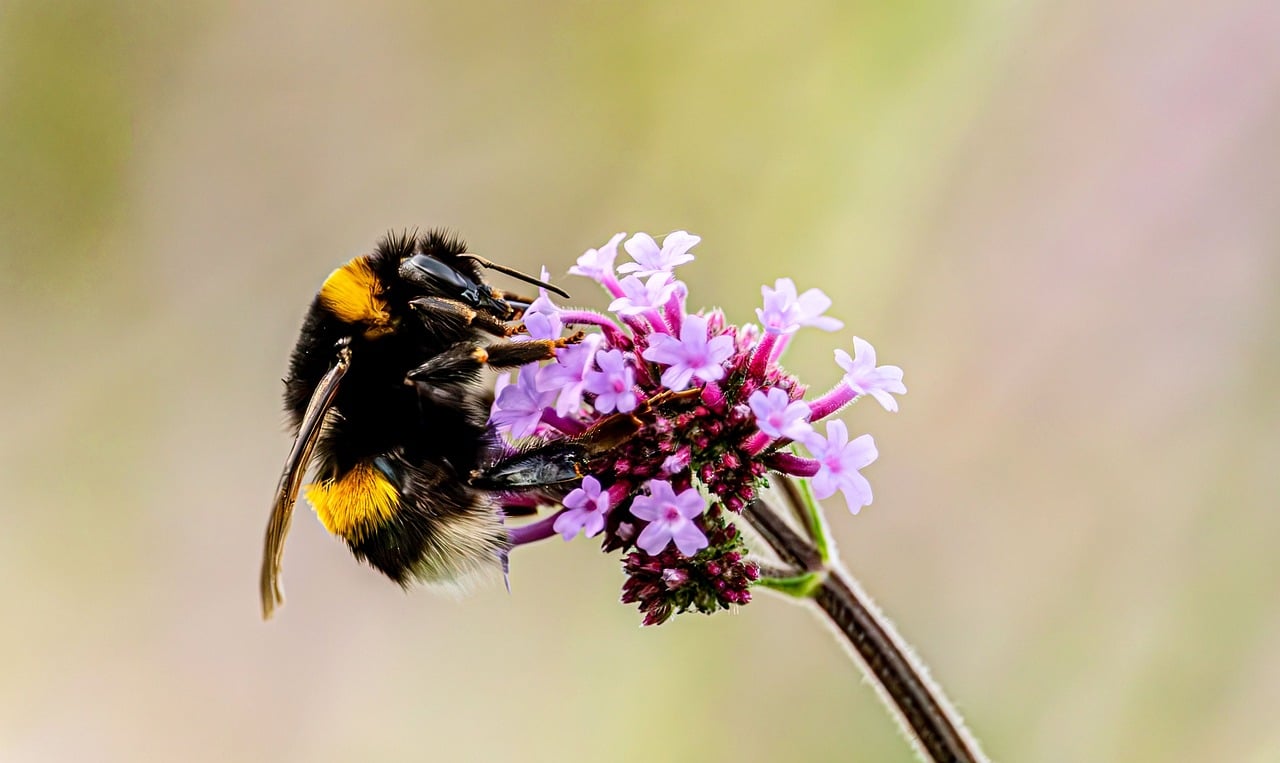
Most of Europe's wild bee species have declined over the last century, according to a study. About half of the continent's hover fly species have also declined over the same period.
The study was released as a UN biodiversity summit began in Armenia. Diplomats are gathering in Yerevan for the 17th UN conference on biodiversity, known as Cop17.
The researchers looked at records going back to 1921. These records show that in all parts of Europe except the Alpine region, more bee species are declining than increasing. The richness of bee and hover fly species, which means how many different kinds are found in an area, suffered a persistent drop in the Atlantic and Continental regions. Trends in other regions were mixed or even positive.
The data covers 88% of bee and hover fly species across the continent. Carlos Martínez-Núñez, an ecologist at the Spanish National Research Council, is the lead author of the study. The study found that 91% of species logged over the last century were also recorded at least once between 2001 and 2020. Researchers do not expect widespread extinctions to have occurred yet, but the occupancy of the species, meaning the places where they live, had mostly fallen.
Pollinators, which are animals that carry pollen from one flower to another, play an important role in nature. Nearly 90% of wild flowering plants depend in part on animal pollination. More than three-quarters of major food crop types also depend in part on animal pollination. The UN Food and Agriculture Organization has warned that pollinator decline sets off a chain reaction threatening wildlife.
Ainhoa Magrach works as an environmental researcher at the Basque Centre for Climate Change. She was not involved in the study.
Governments have not met a single UN nature target since the biodiversity convention was created in Rio in 1992. This decade's targets include protecting 30% of land and sea, reforming $500bn of environmentally damaging subsidies, and restoring 30% of the planet's degraded ecosystems.
About this story
Source: The Guardian. Spotted a mistake? Tell us.
More in Nature
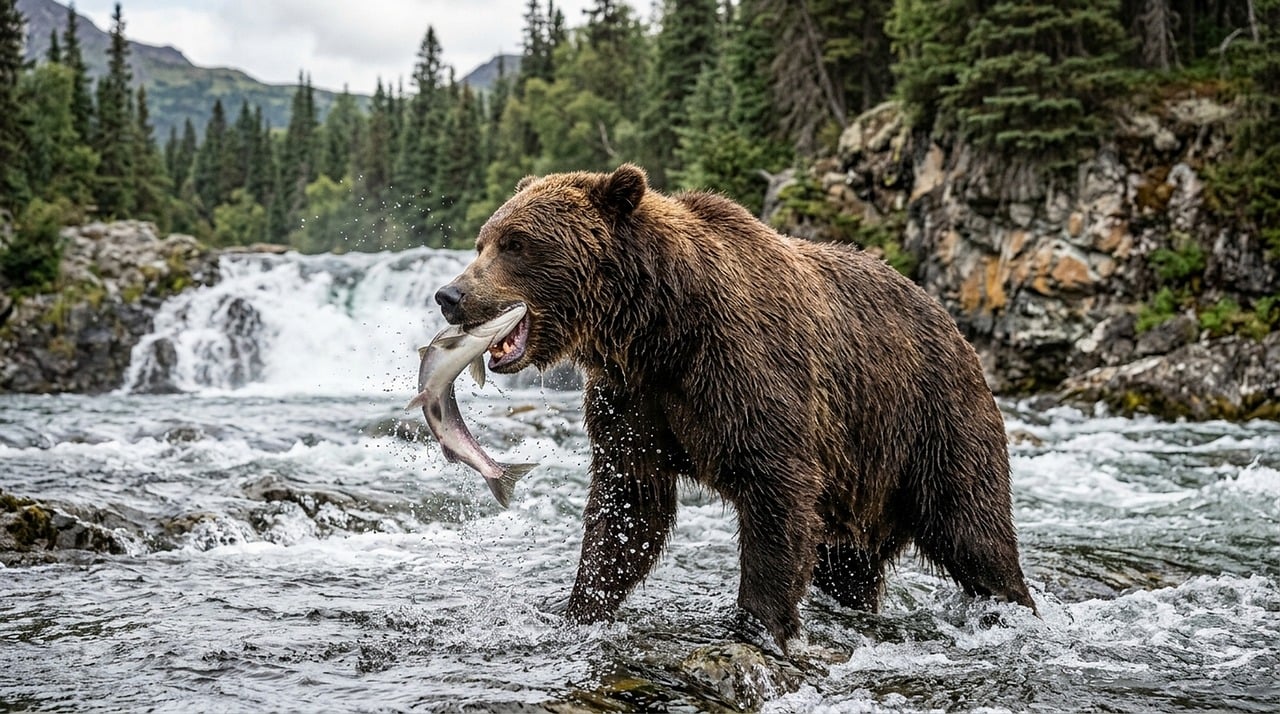
Across the U.S., Removing Old Dams Is Helping Fish Swim Home
More than 2,300 dams have been taken out since 1912, and fish such as herring are returning in the Northeast.

A Tiny Swimming Hunter From the Jurassic Helps Explain How Mammals Evolved
The 165-million-year-old fossil of Megacauda sungei has a soft palate that lets an animal swallow and breathe.
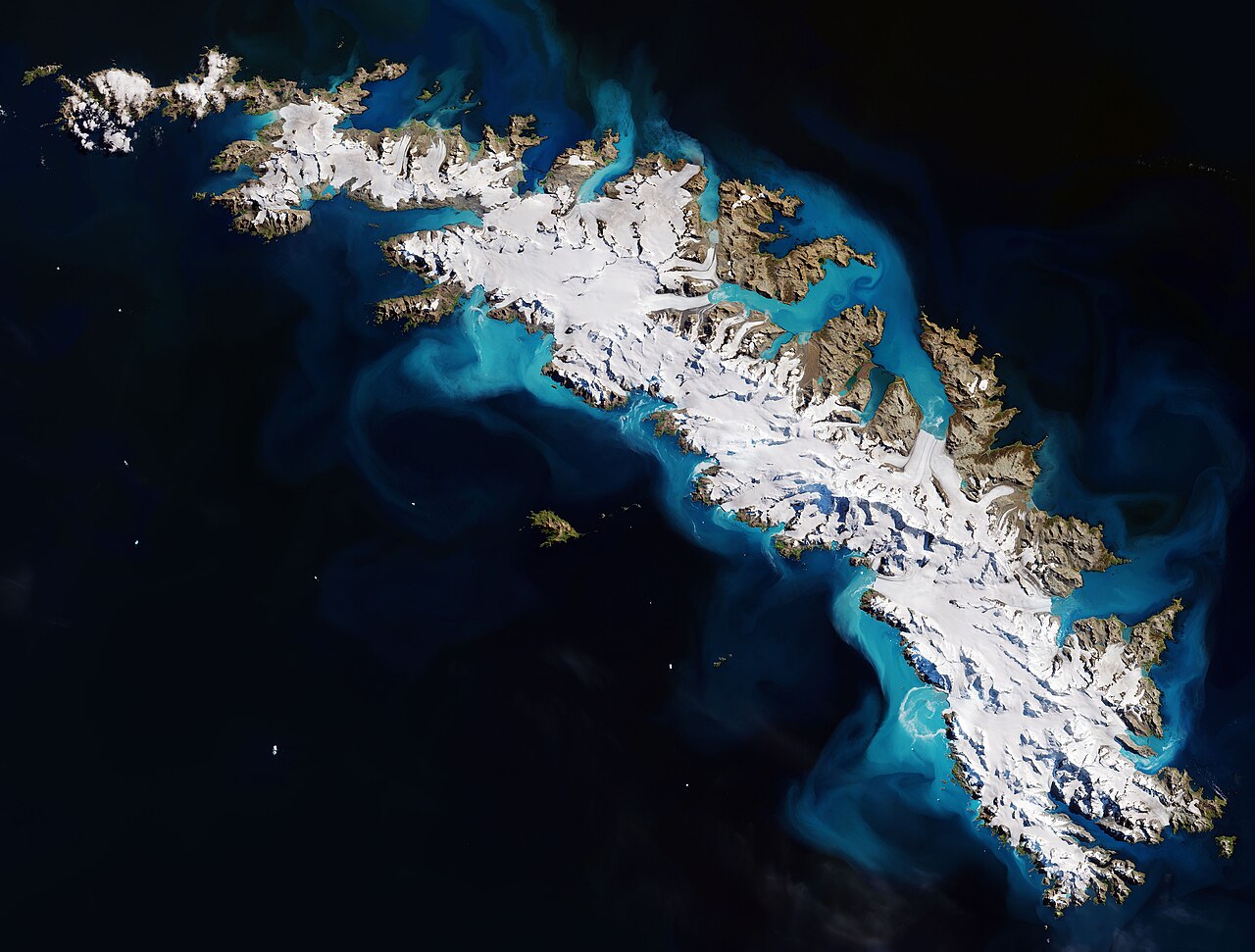
Europe's New Sentinel-3C Satellite Sends Back Its First Images of Earth
Two weeks after launch, the satellite showed the snowy Alps, frozen Arctic islands and turquoise Caribbean waters.