
Exmoor's Dark Skies Festival Celebrates Ten Years of Stargazing
About 80 events across the English national park invite visitors to look up at the stars.
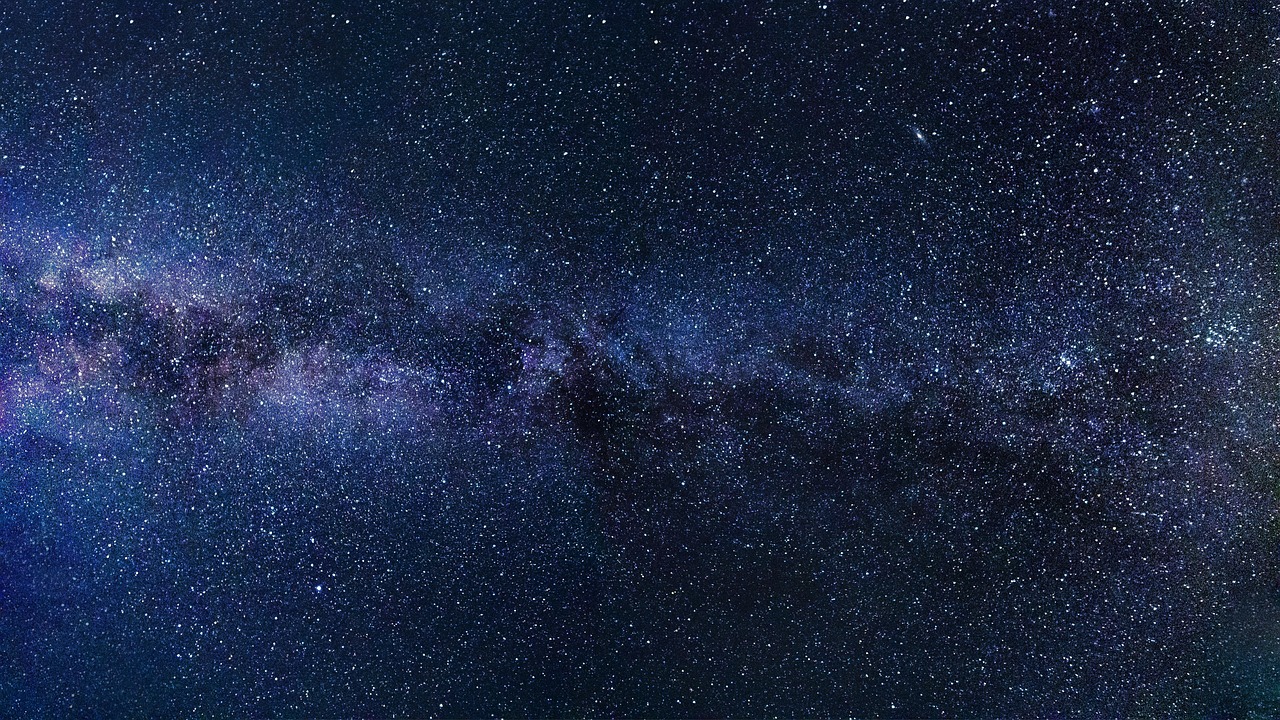
Stargazers and astronomers are getting ready for a festival that celebrates the beauty of the night sky. The Exmoor Dark Skies Festival runs from 16 October to 1 November, and this year it turns ten. Events take place in villages and towns around Exmoor National Park in England, with walks, talks and shows that put the dark, clear sky in the spotlight.
The festival marks the park's status as a Dark Sky Reserve. The International Astronomical Union gave Exmoor the title in 2011. Its aim is to protect everyone's right to enjoy the night sky by helping to limit light pollution, which is extra light from towns and streets that makes the stars hard to see.
Festival organiser Julie Colman said many events come together over the two weeks to celebrate the skies, the wildlife and the way nature supports wellbeing. About 80 events are planned across the park. They include moonlit swimming, astronomy sessions, walks to see glowing living things (called bioluminescence) and planetarium shows.
Colman said there is very little light pollution on Exmoor, so the dark can be truly dark. In the core of the reserve there is a large area with no light at all. That makes the sky much clearer, she said, and visitors can see amazing constellations and even the Milky Way.
The festival has also helped local businesses. The National Park says it designed the event in 2017, partly to bring visitors to local businesses near the end of the usual tourist season. Antony Brunt, who manages the Yarn Market Hotel in Dunster, on the edge of Exmoor, said the festival has become much better known. He said people now call the hotel to book rooms. The hotel runs special trips during the festival, led by a local astronomer, and visits to places and events around the park.
Brunt said visitors come from all over the UK. One group even comes twice a year to the same hotel, which he takes as a sign that they enjoy the stargazing. The festival has become so popular that many events sold out before it opened.
More in Science
Ancient Japanese Populations Changed Differently After a Huge Volcanic Eruption
A new study led by Lund University finds that people in prehistoric Japan were affected in different ways after a volcano erupted about 7,300 years ago.

Mantis Shrimp Eyes Contain Pigments That Switch Back and Forth Like Light Switches
Scientists found that some of the animal's vision pigments see red light that few animals can detect.

A Study of 38,467 Songs Finds Lyrics Have Become Less Emotional
Michigan State University researchers looked at songs from 230 artists between 1947 and 2024.