
How Stress Helps the Brain Hold On to Emotional Memories
Yale scientists studied the stress hormone cortisol and how it changes brain networks that handle feelings and memory.
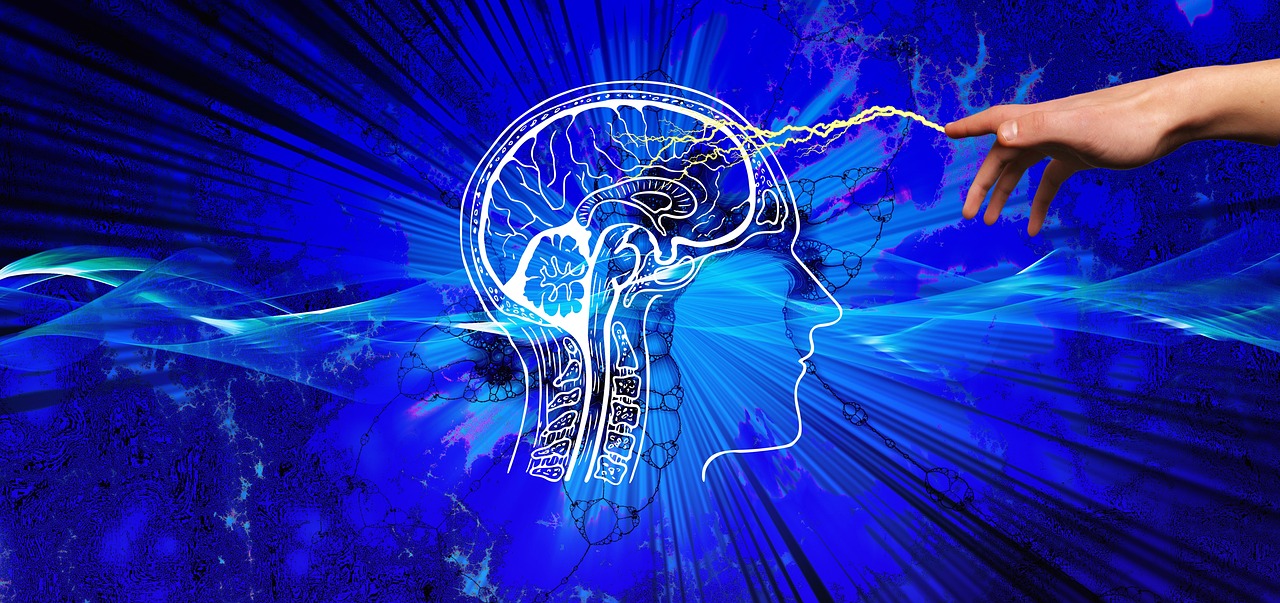
Stress does more than change how we feel. It can also change what we remember, especially after an experience that feels intense or important. Scientists have known for a long time that cortisol, a hormone the body releases during stressful moments, can make emotional memories stronger. What they did not know well was how this works inside the brain.
Researchers at Yale University now have new clues. Their study found that cortisol strengthens emotional memories by changing how brain networks for emotion and for memory work and talk to one another. The results may help explain why some moments leave a strong mark while others fade quickly. The study appeared in the journal Science Advances on October 16, 2026.
Elizabeth Goldfarb, an assistant professor at Yale and the study's corresponding author, said that everyone feels stress and that her lab wants to learn how stress can be helpful.
Studies in both people and rodents had already linked stress and cortisol to better memories of emotional events, and researchers knew that a brain region called the amygdala is important too. The amygdala helps the brain handle feelings and pick out experiences that may be significant. The hard part was telling whether the hormone changes how the brain reacts to something emotional, how it stores the memory, or both.
Goldfarb explained that forming a memory of an emotional event takes two steps. First, the brain notices that the experience is emotional or intense. Second, it records the experience in long-term memory. The Yale team wanted to look at those two steps separately.
In their experiment, volunteers took a pill. It held either hydrocortisone, a form of cortisol, or a placebo, which is a pill with no active ingredient. Then they looked at a series of pictures while a scanner measured their brain activity. This type of scan, called functional MRI, tracks changes in blood flow and oxygen in the brain to show which areas are active.
The volunteers rated their feelings about each picture. The next day, the researchers tested what they could remember. Every person took part twice, once with the real hormone and once with the placebo, so the team could compare the two. The study was also double blind, a method used to keep results fair.
About this story
Source: ScienceDaily. Spotted a mistake? Tell us.
More in Science

Ancient Japanese Populations Changed Differently After a Huge Volcanic Eruption
A new study led by Lund University finds that people in prehistoric Japan were affected in different ways after a volcano erupted about 7,300 years ago.

Mantis Shrimp Eyes Contain Pigments That Switch Back and Forth Like Light Switches
Scientists found that some of the animal's vision pigments see red light that few animals can detect.
A Study of 38,467 Songs Finds Lyrics Have Become Less Emotional
Michigan State University researchers looked at songs from 230 artists between 1947 and 2024.