
Japan Launches Mission to Study Mars's Moon Phobos
Japan's MMX spacecraft lifted off on an H3 rocket, aiming to land on Phobos and bring samples back to Earth.
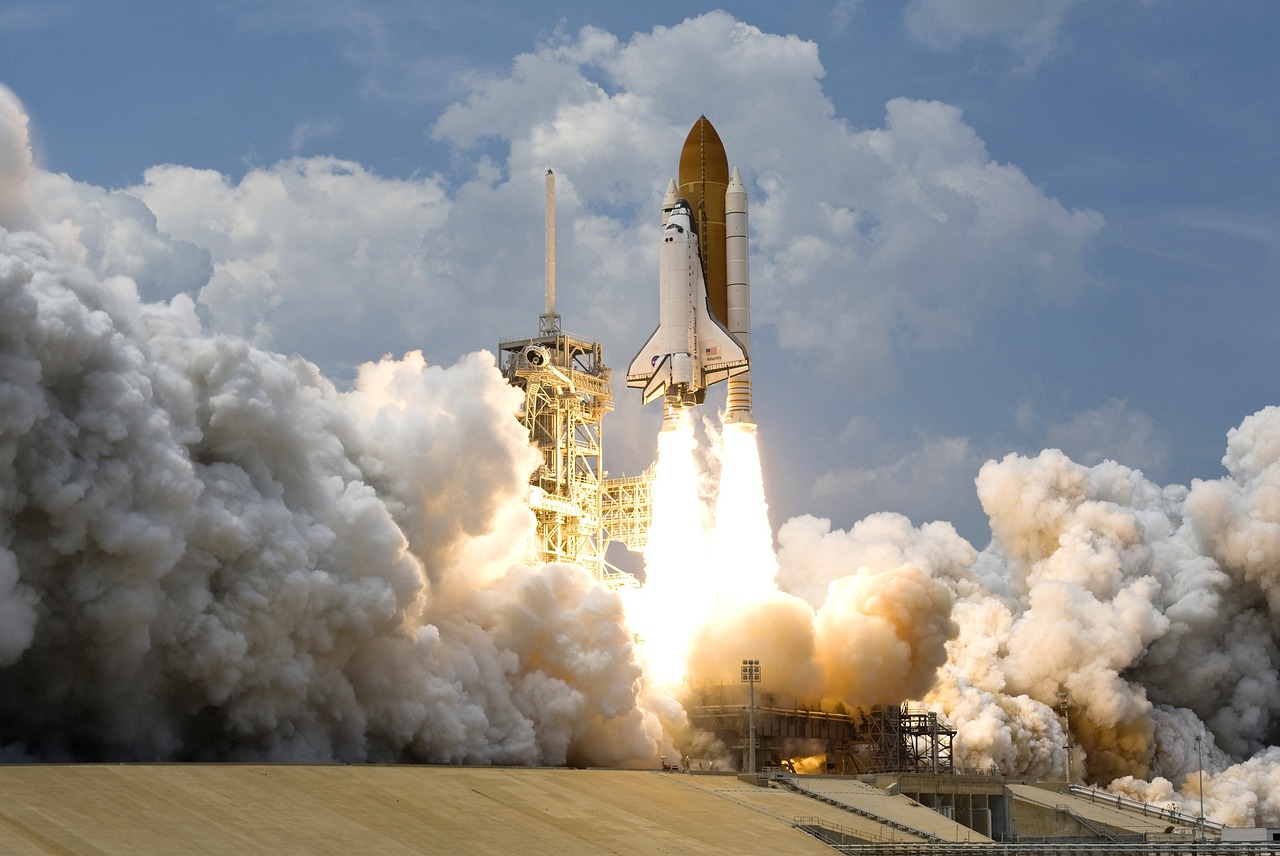
Japan launched its Martian Moons eXploration (MMX) mission on October 19 from the Tanegashima Space Center in Japan. According to Space.com, the spacecraft lifted off at 3:41 p.m. EDT from Pad-2 at the Yoshinobu Launch Complex.
The mission is led by the Japan Aerospace Exploration Agency (JAXA). It is planned to become the first spacecraft to land on Phobos and return samples from it. Phobos is about 14 miles (22 km) wide, and its neighbor Deimos is about 8 miles (14 km) in diameter.
The launch used an H3 rocket, Japan's expendable, two-stage rocket. It was the 10th liftoff of this rocket. The H3 was jointly developed by JAXA and Mitsubishi Heavy Industries, and it stands 207 feet (63 meters) tall. Its first stage is powered by two LE-9 rocket engines.
About 71 minutes after liftoff, MMX was released from the rocket's upper stage. The spacecraft will spend about 10 months traveling between planets before it arrives at Mars in August 2027. After that, MMX will spend about three years in the Martian system.
The French and German space agencies are working together on the IDEFIX rover. It is scheduled to be deployed to Phobos in late 2028 or early 2029. MMX will make two separate touchdowns on Phobos to collect samples.
NASA has also taken part in the mission. It contributed the MEGANE gamma-ray and neutron spectrometer, which was built by the Johns Hopkins Applied Physics Laboratory. NASA invested approximately $87 million in the mission through its end, and at least 15% of the planned 10-gram returned Phobos sample will be reserved for NASA's study.
MMX is scheduled to leave Mars for Earth in November 2030. Its sample-return capsule is scheduled to land in Australia in 2031. The mission team says Phobos and Deimos may be captured asteroids, though this remains unresolved.
The mission follows an earlier attempt to visit Phobos. Russia's Phobos-Grunt mission launched in November 2011 but failed to leave Earth orbit, and the spacecraft crashed into the Pacific Ocean in January 2012.
More in Science

Pressure Helps Muscle Cells Join Together, Study Finds
Researchers found that mechanical stress guides how muscle cells fuse to form new muscle fibers.
NASA Image Shows Unusual Radio Structure Called Treble Clef
Scientists have a new idea about where a radio structure spanning more than 2 million light-years may have come from.
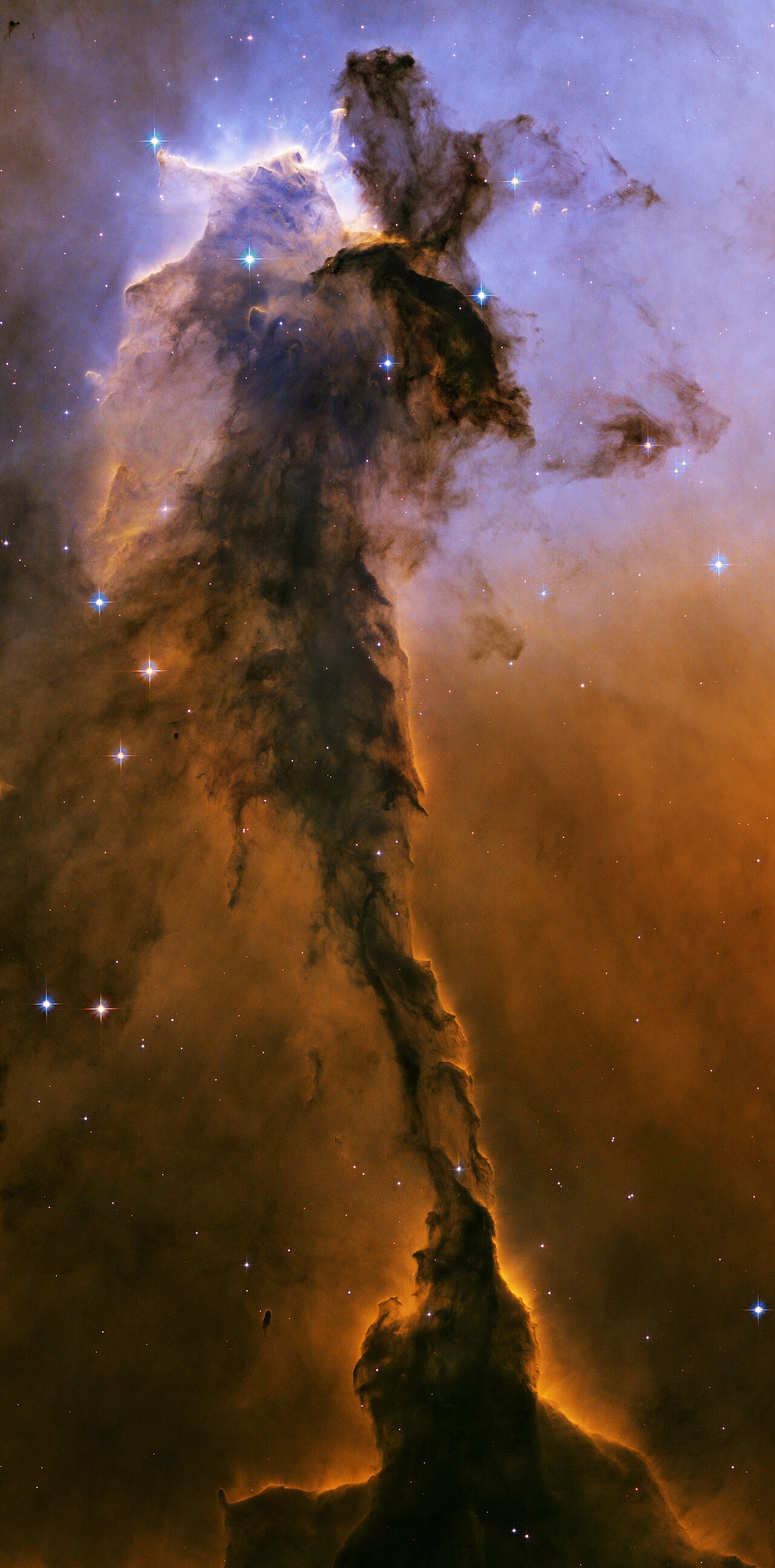
NASA Shares New Look at the Eagle Nebula's Glowing Star-Forming Pillars
A combined Hubble and Chandra image shows young stars taking shape inside dark, towering columns of gas and dust.