
Pressure Helps Muscle Cells Join Together, Study Finds
Researchers found that mechanical stress guides how muscle cells fuse to form new muscle fibers.

Skeletal muscles, the muscles that help our bodies move, grow and repair themselves when cells called myoblasts fuse into long fibers. A research team has now shown that mechanical stress, which is a kind of physical force or pressure, can influence how these cells join together.
The study was carried out by a research team at the Max-Planck-Zentrum für Physik und Medizin (MPZPM). The team's results were published in the journal Nature Communications. The research was led by Benoît Ladoux, who heads the Tissue Mechanobiology division at MPZPM. Dr. Sushil Dubey, a postdoctoral researcher at MPZPM, is also an author of the study.
According to Phys.org, the researchers observed that myoblasts organize themselves into areas called domains. Within these domains, the cells point in distinct directions, and they form patterns shaped like comets and cloverleaves.
The team also found that areas with topological defects, which are breaks or irregularities in these patterns, are linked to places of high mechanical stress. The myoblasts were more likely to fuse at these locations of high stress.
The researchers further found that the myoblasts arrange the extracellular matrix, the material that surrounds cells and gives them support, to match their own alignment. Even after the original cells were removed, the extracellular matrix kept some features of the original mechanical stress pattern.
These findings suggest that mechanical forces take part in a feedback loop during muscle formation. In this loop, the forces and the cells affect each other as muscles develop.
More in Science

NASA Image Shows Unusual Radio Structure Called Treble Clef
Scientists have a new idea about where a radio structure spanning more than 2 million light-years may have come from.
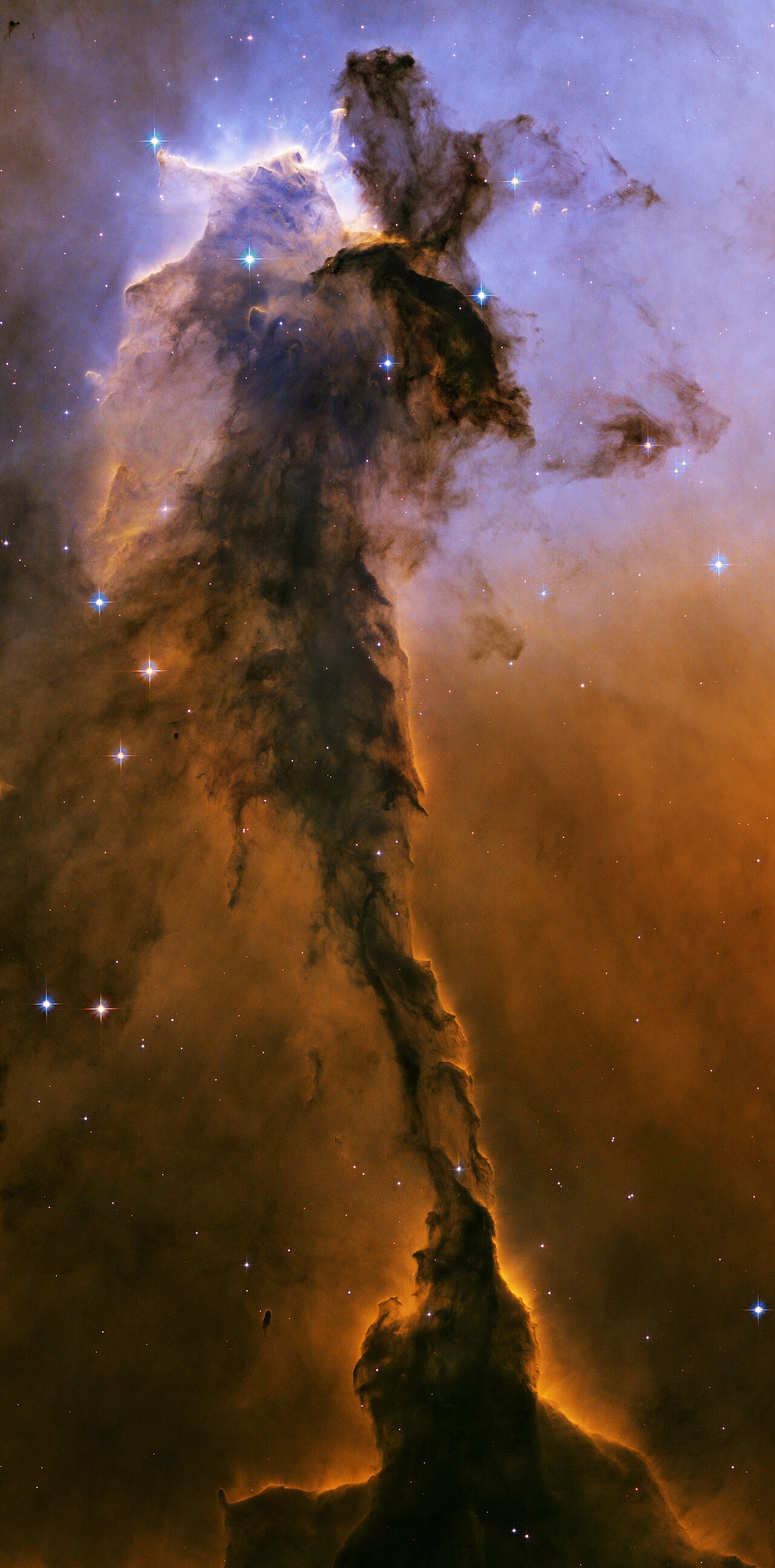
NASA Shares New Look at the Eagle Nebula's Glowing Star-Forming Pillars
A combined Hubble and Chandra image shows young stars taking shape inside dark, towering columns of gas and dust.
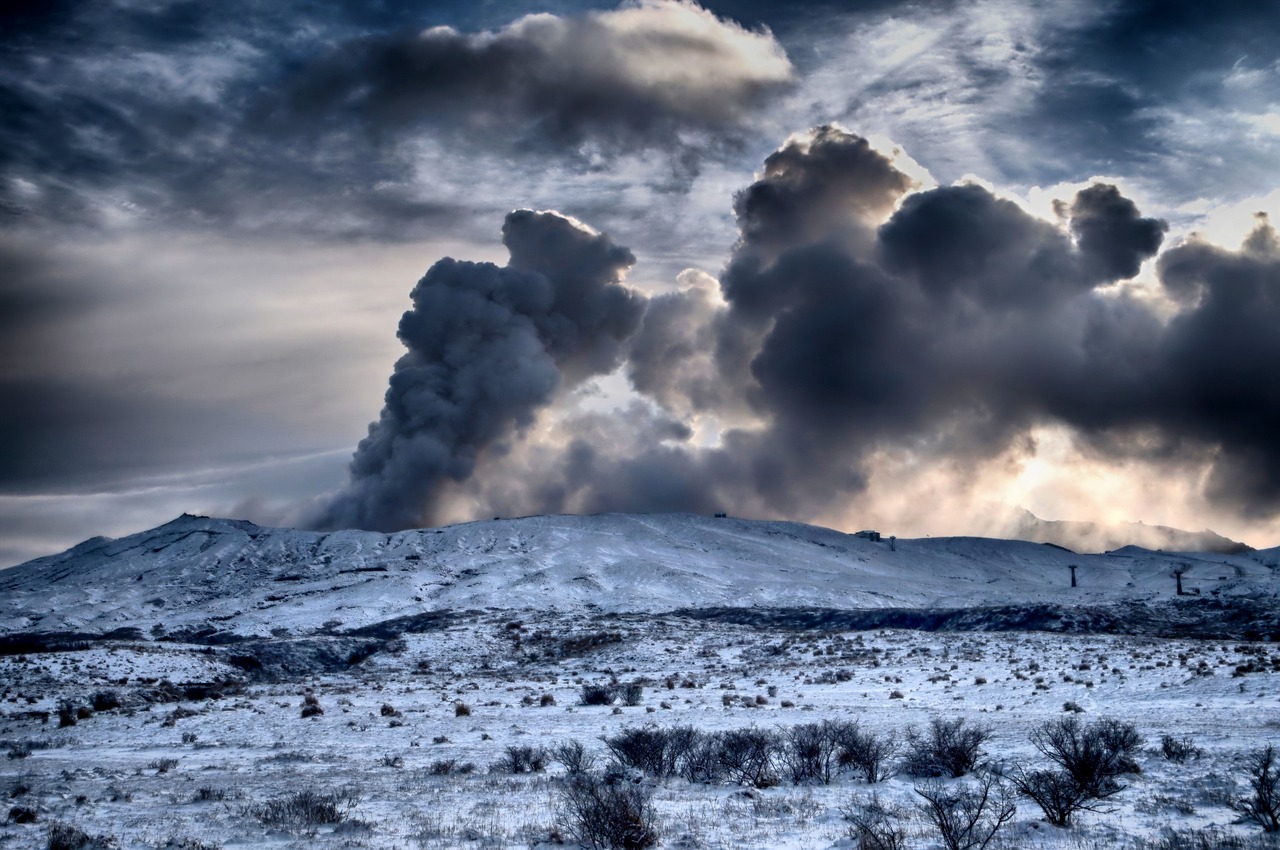
Ancient Japanese Populations Changed Differently After a Huge Volcanic Eruption
A new study led by Lund University finds that people in prehistoric Japan were affected in different ways after a volcano erupted about 7,300 years ago.