
Scientists Find a "Pac-Man" Enzyme That Helps Bacteria Eat Plastic
Researchers say some biodegradable plastics fully broke down in soil within about a year.
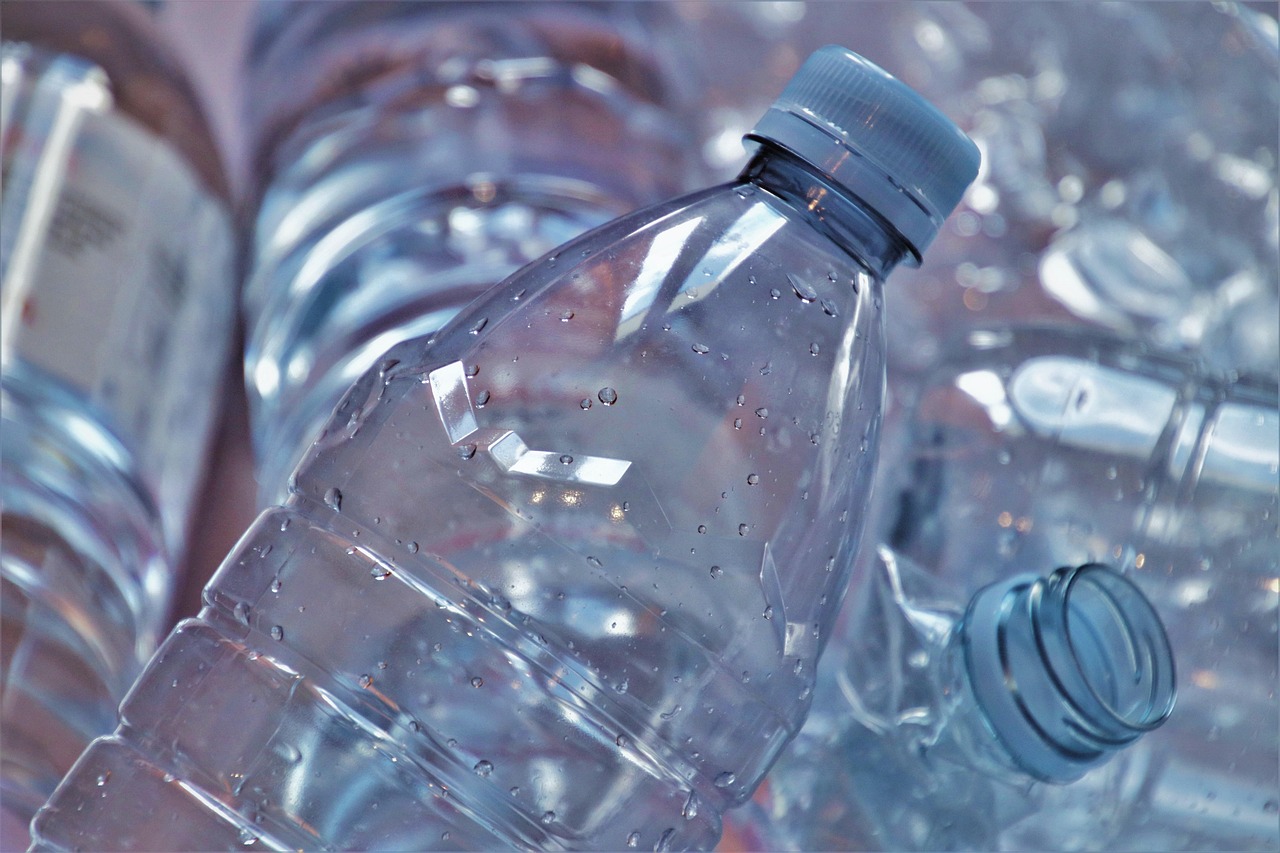
Plastic pollution is one of the hardest environmental problems in the world. Huge amounts of thrown-away plastic end up in the oceans, where it sometimes forms giant garbage patches that put sea life at risk. Most ordinary plastics break down very slowly because tiny living things called microorganisms struggle to digest the man-made materials they are built from. Instead of vanishing, the plastic slowly splits into smaller and smaller bits, known as microplastics and nanoplastics.
Still, nature is not completely powerless against plastic. Bacteria and other microorganisms can settle on its surface and form communities called biofilms. Scientists call this special habitat the "plastisphere."
Now a team at the University of Konstanz has found an odd enzyme, a type of protein that speeds up chemical reactions. It can digest certain polyesters and biodegradable plastics, and it has a surprise skill: it can also break down penicillin, which hints at a possible link to antibiotic resistance. The scientists nicknamed it the "Pac-Man enzyme" because it has an unusually wide opening, called the active site, where its chemical reactions take place. The discovery suggests that bacteria may be learning to digest some plastics faster than scientists thought.
The team of biologists, Harry Lerner and David Schleheck, studied the whole process of how microbes break down plastic. They wanted to know if the materials could disappear completely, which microbes did the work and how they did it. They studied the genes of the whole community, called the metagenome, to look for genes that make plastic-cutting enzymes.
Their tests used a group of biodegradable plastics called long-chain aliphatic polyesters, which were developed by a team led by chemist Stefan Mecking. These plastics contain chemical bonds that microbes can potentially break, unlike the tougher structures in many common plastics. To see how they behave in nature, the researchers buried samples in forest soil at the university's botanical garden.
In the experiments, several biodegradable plastics broke down completely in the soil in about a year, while conventional plastic stayed largely unchanged. The results were published in The ISME Journal.
The scientists also point out a limit. For microbes to really help reduce plastic pollution, more plastic products would have to be made from biodegradable materials that microbes can break apart.
About this story
Source: ScienceDaily. Spotted a mistake? Tell us.
More in Science

Ancient Japanese Populations Changed Differently After a Huge Volcanic Eruption
A new study led by Lund University finds that people in prehistoric Japan were affected in different ways after a volcano erupted about 7,300 years ago.
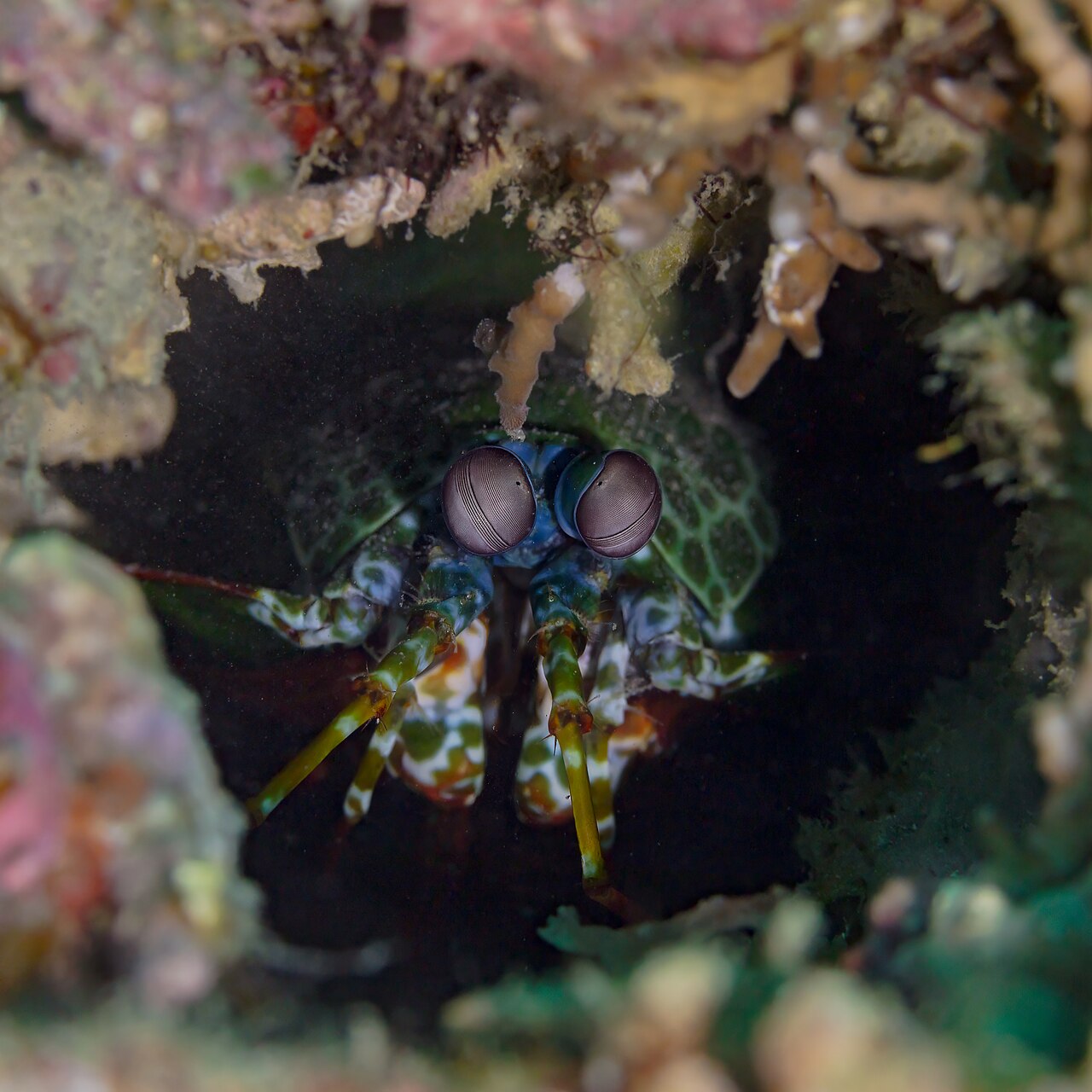
Mantis Shrimp Eyes Contain Pigments That Switch Back and Forth Like Light Switches
Scientists found that some of the animal's vision pigments see red light that few animals can detect.
A Study of 38,467 Songs Finds Lyrics Have Become Less Emotional
Michigan State University researchers looked at songs from 230 artists between 1947 and 2024.