
Was There Ever a Mountain Taller Than Mount Everest?
Geologists say nobody knows for sure, but ancient mountain ranges may have been huge.
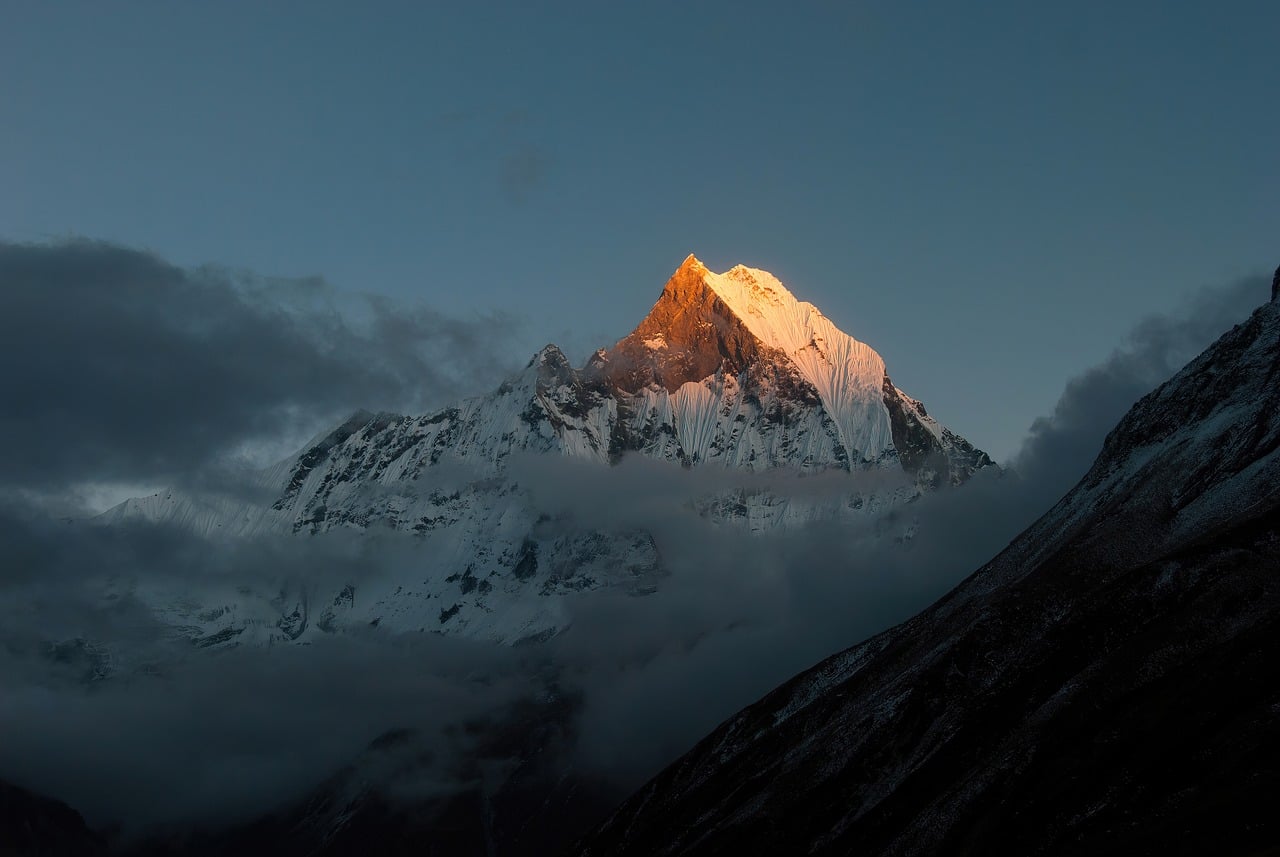
Mount Everest, 29,032 feet (8,849 meters) above sea level, is the tallest mountain on Earth today. But has the planet ever had a bigger one? Live Science asked experts, and the answer is that it is still a mystery. There are some clues, however.
Mountains form when huge pieces of Earth's outer shell, called tectonic plates, slowly crash into each other and push the crust upward. Everest and the other Himalayan peaks were made this way. Geologists cannot say which peak was the tallest hundreds of millions of years ago. Alan Collins, a geology professor at Adelaide University in Australia, said we will never get that level of detail. But layers of sediment (small pieces of rock and soil) inside the crust give hints. Scientists study the crust to see how deep it reached, which can show how tall ancient mountains might have been.
Mountains are a bit like icebergs, because only a small part shows on the surface. Ziyi Zhu, a geochemist at Curtin University in Australia, said the biggest mountain was probably in a place with deep roots in the crust. The Himalayas have a column of crust that goes down as far as 50 miles (80 kilometers). Everest's height of about 29,000 feet (9,000 meters) is only about 14% of that slab of rock. That means there is a limit to how tall a mountain can grow before it collapses under its own weight.
The Himalayas began to form between 50 million and 40 million years ago, when the plates carrying India and Eurasia collided. They are still fairly young, which is partly why they are so tall. Tall, jagged mountains wear away quickly, though the Himalayas are still growing because the plates keep pushing.
Collisions like this have happened many times. One example is the Transgondwanan Supermountain, an ancient range in what is now East Africa. Around 650 million years ago, a supercontinent named Gondwana was created after Africa and South America collided with Arabia, India, Australia, and Antarctica, causing it to start rising. Rocks in southern India, Sri Lanka, Tanzania and Kenya show that this range may have been three times as long as the Himalayas, and Collins says its crust was deeper on average.
About this story
Source: Live Science. Spotted a mistake? Tell us.
More in Science
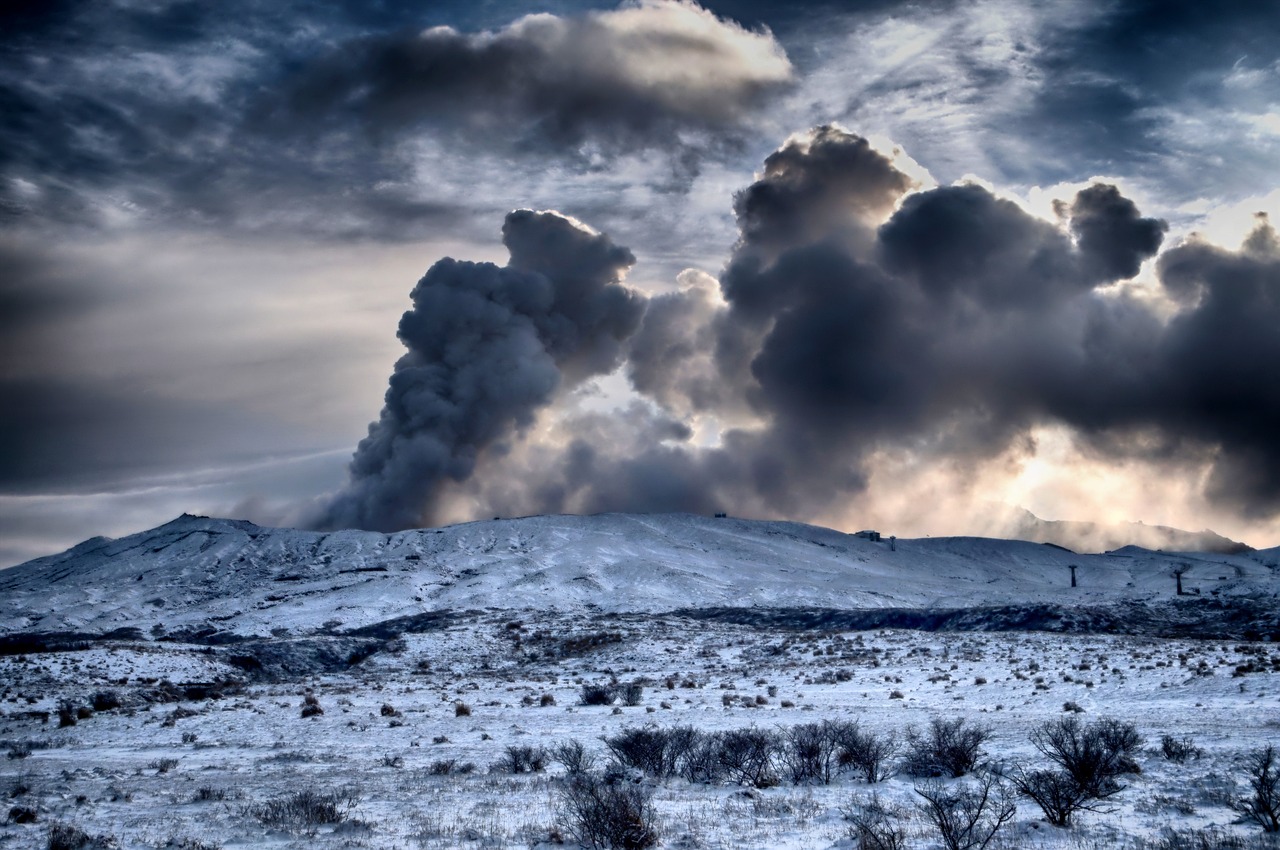
Ancient Japanese Populations Changed Differently After a Huge Volcanic Eruption
A new study led by Lund University finds that people in prehistoric Japan were affected in different ways after a volcano erupted about 7,300 years ago.
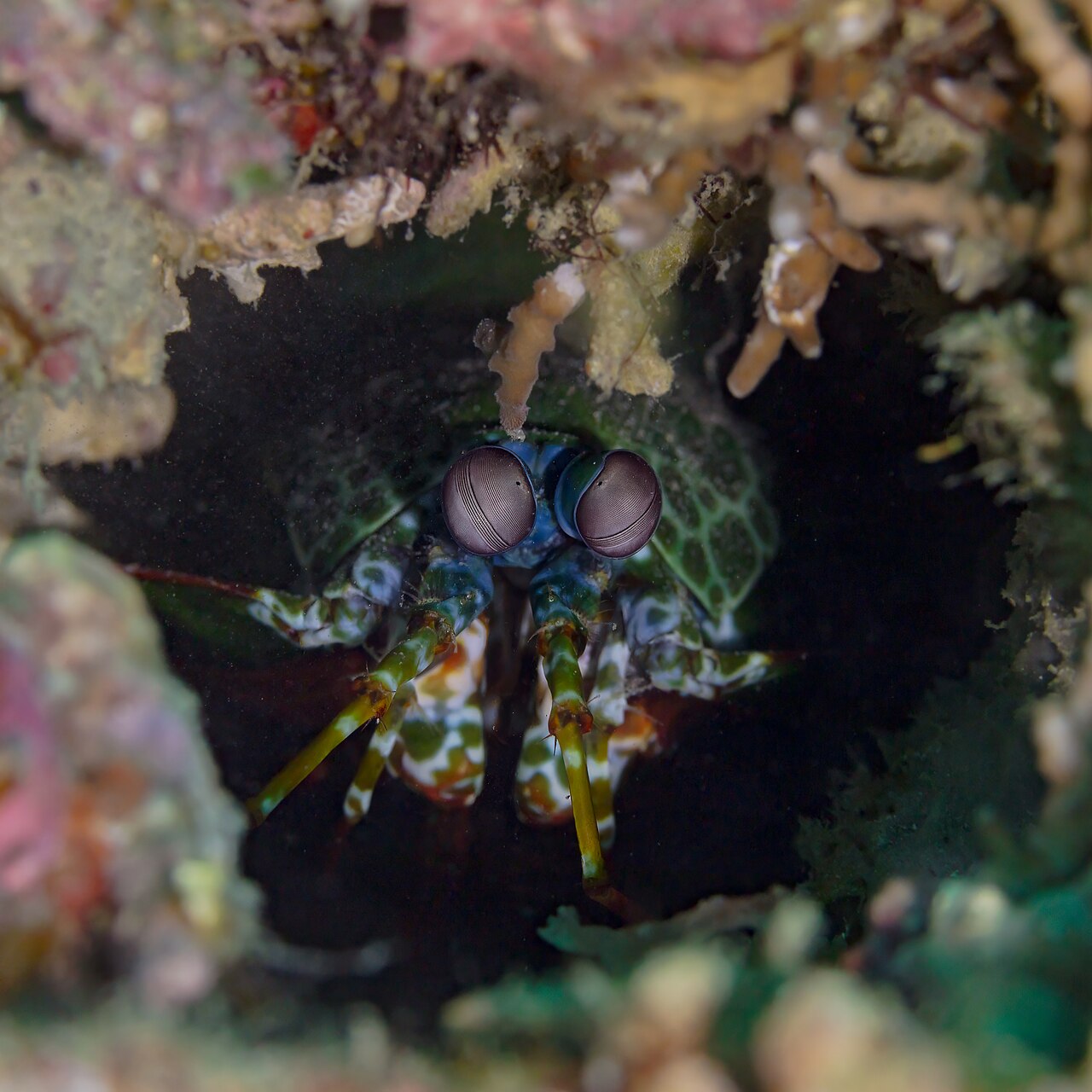
Mantis Shrimp Eyes Contain Pigments That Switch Back and Forth Like Light Switches
Scientists found that some of the animal's vision pigments see red light that few animals can detect.

A Study of 38,467 Songs Finds Lyrics Have Become Less Emotional
Michigan State University researchers looked at songs from 230 artists between 1947 and 2024.