
Tiny Pieces of Plastic May React With Water, a New Study Says
Scientists at Columbia University and UC Berkeley found that microplastics can form harmful chemicals.
Plastic is used almost everywhere, for example in food packaging and water bottles, partly because it is very stable and does not easily react with other substances. Scientists thought the same was true of microplastics, the tiny bits that break off bigger plastic objects and that many studies say have spread to nearly every ecosystem on Earth. WIRED reports that researchers at Columbia University and UC Berkeley have now found that water can make the surface of microplastics chemically active.
According to their paper in the journal Nature, this can create chemicals that change other molecules, including ones that living things need. The effect happens under normal conditions, without sunlight or anything else that breaks down plastic. Why are tiny pieces so reactive when bigger pieces are not? The scientists think it is because of the extra surface area. Wei Min, a chemistry professor at Columbia, explained that when plastic breaks into smaller and smaller pieces, its surface area grows enormously. The microplastics then change the water around them and create energetic, reactive chemicals called radicals, which probably add to the damage seen in animals and maybe in people.
These chemicals are called reactive oxygen species. One kind, hydroxyl radicals, is especially risky because it can take electrons from the proteins and fats that make up cell membranes and disrupt their structure and job. Naixin Qian, a researcher who helped lead the work, said they are textbook examples of molecules that can damage animal and human tissue.
The body has some protection. Molecules called antioxidants neutralize these chemicals, but if the reactive ones greatly outnumber the antioxidants, the defense can be overwhelmed. This leads to oxidative stress, which can damage cells. Earlier studies had already linked oxidative stress to microplastic exposure, but how exactly it happens is not fully understood.
How far microplastics have spread inside the human body is still debated, and some of the more sensational claims have been questioned. But if even a small amount is in our tissues, it could react with the water in our bodies. The team worried about blood in particular, since it is mostly water. When they exposed red blood cells from mice to different microplastics, the cells became misshapen and burst, which is called hemolysis. The effect was bigger with plastics that react more with water.
More in Technology

Apple Updates App Store Rules to Block Nudified and Explicit Images
New App Store moderation rules require developers to filter and remove nonconsensual intimate images, including those made with AI.

Some Websites Are Blocking AI Assistants That Shop and Book for You
Companies promise AI "agents" can handle tasks online, but many sites are saying no.
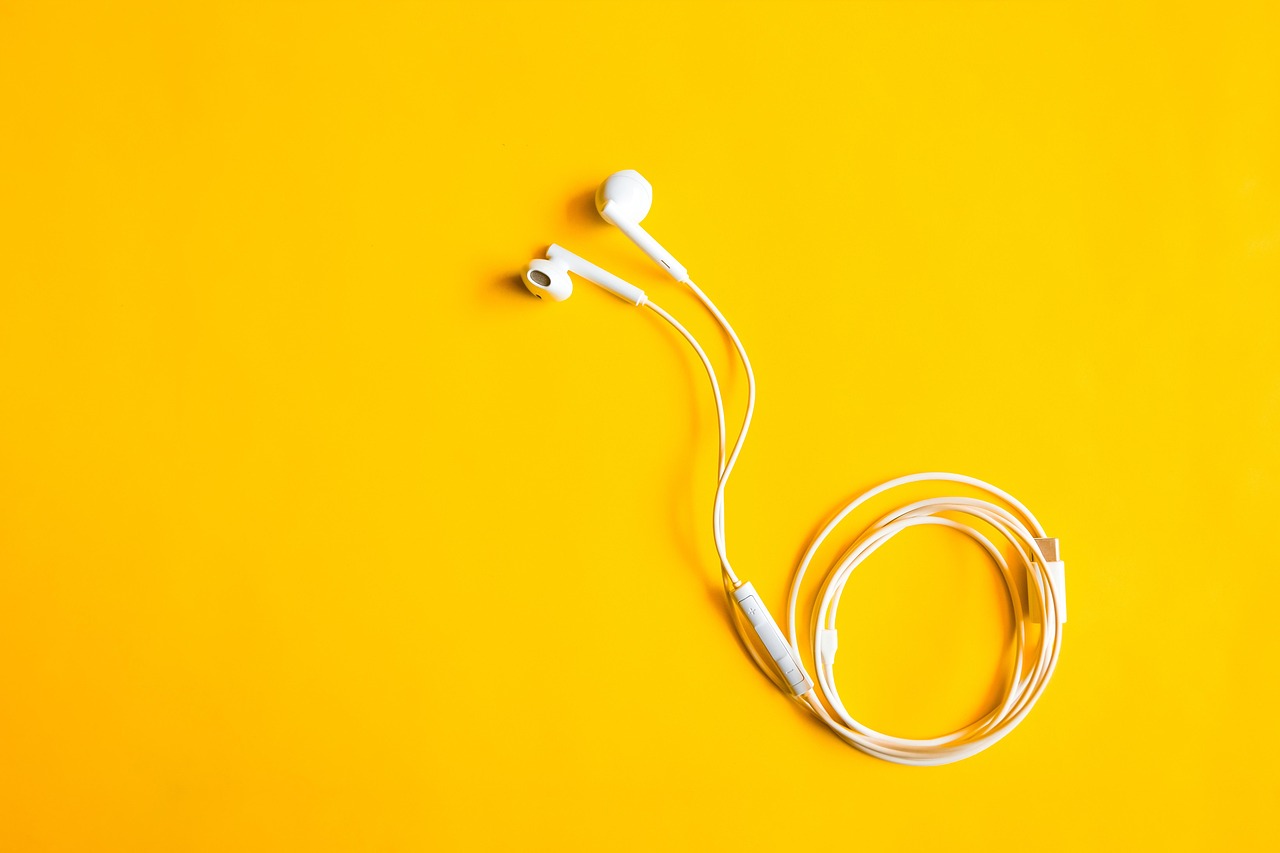
Wired Earbuds Are Making a Comeback, and Bose Has a New Pair
The $99 Bose earbuds plug into a USB-C port and offer noise cancelling, with no battery or pairing needed.