
Palaka, Hawaii's Blocky Plaid Fabric, Is Having a Fashion Moment
The textile began as simple workwear and has become a symbol of local pride.
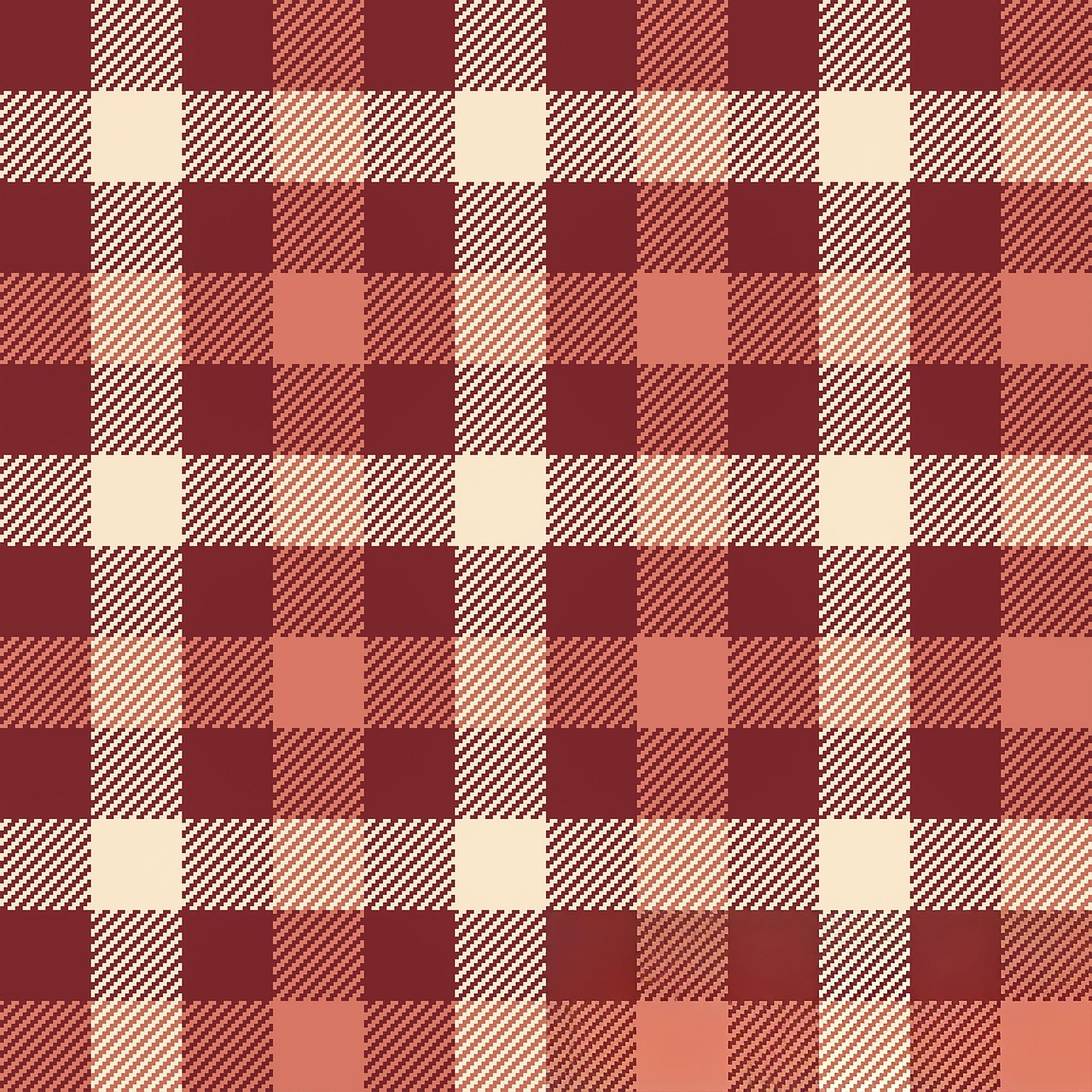
At the Merrie Monarch Hawaiian Arts & Crafts Fair in Hilo, people crowd a hall to look at jewelry made from tiny Niihau shells, hats woven from hala leaves, carved koa bowls and fine featherwork. More than 150 artisans from the Hawaiian Islands show their work at the fair, which is part of the annual Merrie Monarch Festival, known for its hula competition. Its main purpose is to keep Hawaiian culture alive. At every stall there are different versions of palaka, a blocky plaid fabric with deep roots in local culture. It appears on shirts, shorts, dresses, towels, bags, water bottles and hair clips in many colors. A first-time visitor might take it for an ordinary picnic checkerboard print. Dale Hope, a historian and the author of The Aloha Shirt, says that people who know, know, and it is special.
Palaka stands for the many cultures that built modern Hawaii through their traditions and hard work. The word may come from "frock." In the early 1800s, sailors from England and the United States who visited the islands wore loose, long-sleeved shirts called frocks. A 1976 article says that in an 1873 letter, a resident named Peter Young Kaeo told his cousin, Queen Emma, that he had bought cotton twill to make himself some "frocks palaka." That is the earliest known use of the word for this cloth. Over time, "palaka" came to describe the pattern, not the garment. Hope says that even though the original fabrics came from elsewhere, palaka evolved in Hawaii as clothing of the place.
Max Mukai, who started the clothing brand Kahui Palaka with his mother, Dawn, in 2020, explains that the fabric is made from yarn that is dyed first and woven with four or eight crossing lines, usually white plus one base color. When his grandfather grew up on the Waialua plantation on Oahu's North Shore, the base color was navy or red. In plantation days the cloth was cheap, Mukai says, but now it is one of the more expensive fabrics to find. Workers from China, Japan, Portugal, the Philippines and other countries came to the islands in the late 19th and early 20th centuries to work, and palaka became part of their daily lives.
About this story
Source: Smithsonian. Spotted a mistake? Tell us.
More in Travel
New Art Center Opens on Paris's Île Seguin in October 2026
Large, a contemporary art center focused mainly on the French art scene, will open on Île Seguin near Paris this October.
Hotels Now Offer Tennis Courts, Surf Lessons and Game Tickets
Condé Nast Traveler says sports tourism is worth about $1.16 trillion, and hotels are joining in.

Sleep at the Real Places Where Jane Austen Films Were Made
Historic estates and cottages from film versions of Austen's books are open to overnight guests in the UK.