
Walking Japan's Shikoku Pilgrimage, a 750-Mile Trail of 88 Temples
The quiet island of Shikoku draws 100,000 to 150,000 walkers a year to its forests, temples and friendly inns.
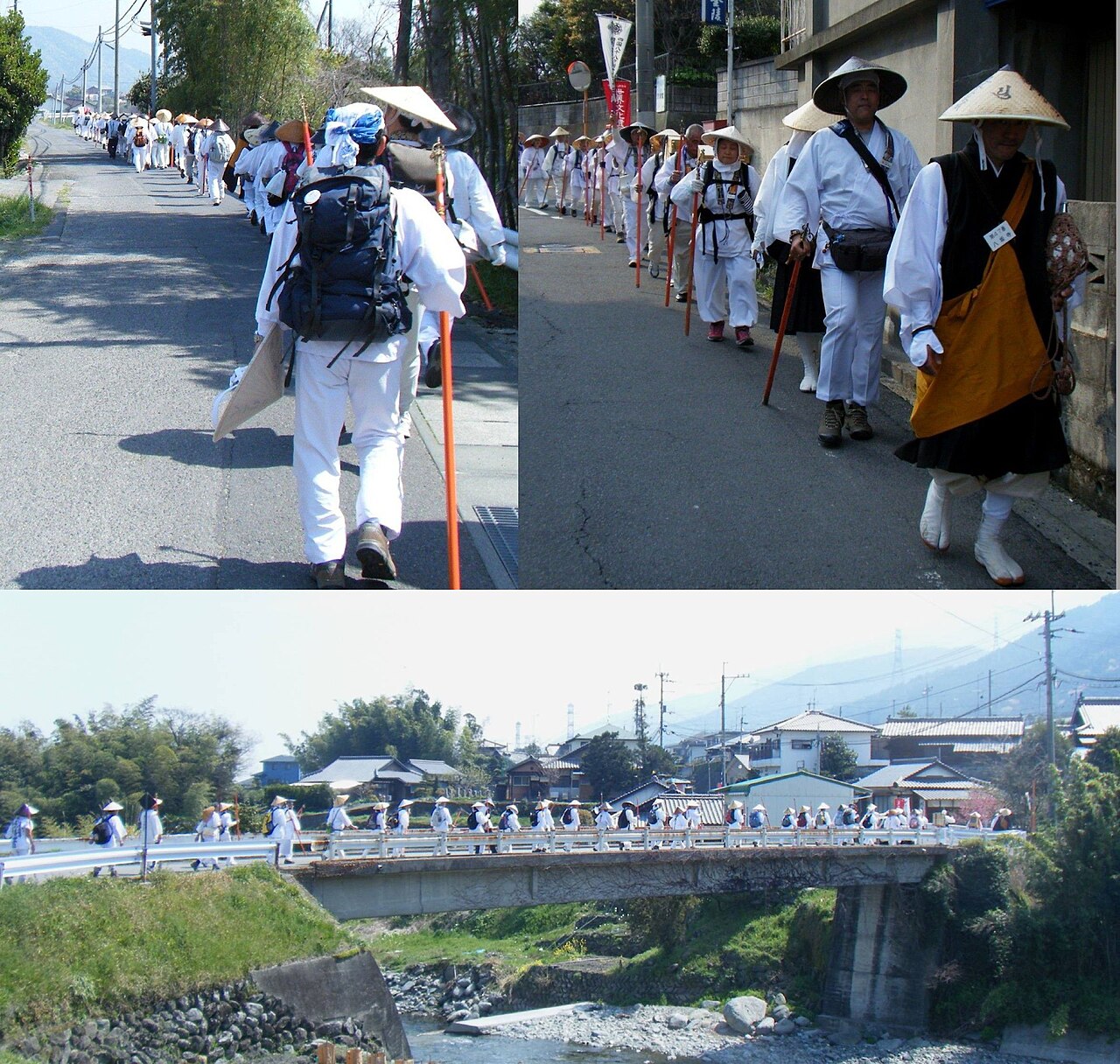
On the third temple of Japan's Shikoku Pilgrimage, a young girl handed a visiting Smithsonian writer two origami cranes. The little gifts stand for wishes for a safe and smooth journey along a 750-mile circuit that links 88 Buddhist temples and other sacred sites on Shikoku. It is the smallest and least populated of Japan's four main islands.
Shikoku covers 7,063 square miles and is rustic and remote. The first bridge to link it with Honshu, the main island where Tokyo and Kyoto are, was not built until 1988. Even now only three routes connect the two islands. Few Western visitors go there, though that is slowly changing. The writer met a lot of kindness on the week-long trip: an innkeeper drove the lost writer to the lodging in the rain, and a taxi driver insisted on giving two sweet kiyomi oranges for the day's walk.
Between 100,000 and 150,000 people walk at least part of the pilgrimage each year. Spring and fall are the best seasons. Every site is linked to Kobo Daishi, a Buddhist monk who lived in the ninth century and founded the Shingon school of Buddhism. The temples and holy places are mostly from the eighth century on, but the full circuit was not set until the late 16th or early 17th century.
About 80 percent of the route is paved. It passes through small towns and farmland. The rest follows dirt trails, steep mountainsides and ancient stone steps through remote wilderness. Pilgrims stay in traditional Japanese-style hotels called ryokan, in temple stays called shukubo, and in family-run inns. Most serve food, and some have hot-spring baths. Walkers are called Shikoku Henro, which means pilgrim. Some set out to complete all 750 miles, but many, like the writer, do only parts of it. Some walk for spiritual reasons, and others want a slower pace and a break from daily stress.
The writer took a five-day walk with a small backpack. A courier service can send larger bags ahead to each stop. The trail wound through bamboo forests, tall cedar trees and paths covered with moss and ferns. At each temple, the writer first washed their hands with a ladle at an outdoor basin and often dropped a few coins into the offering box while making a wish for good health and peace of mind.
About this story
Source: Smithsonian. Spotted a mistake? Tell us.
More in Travel
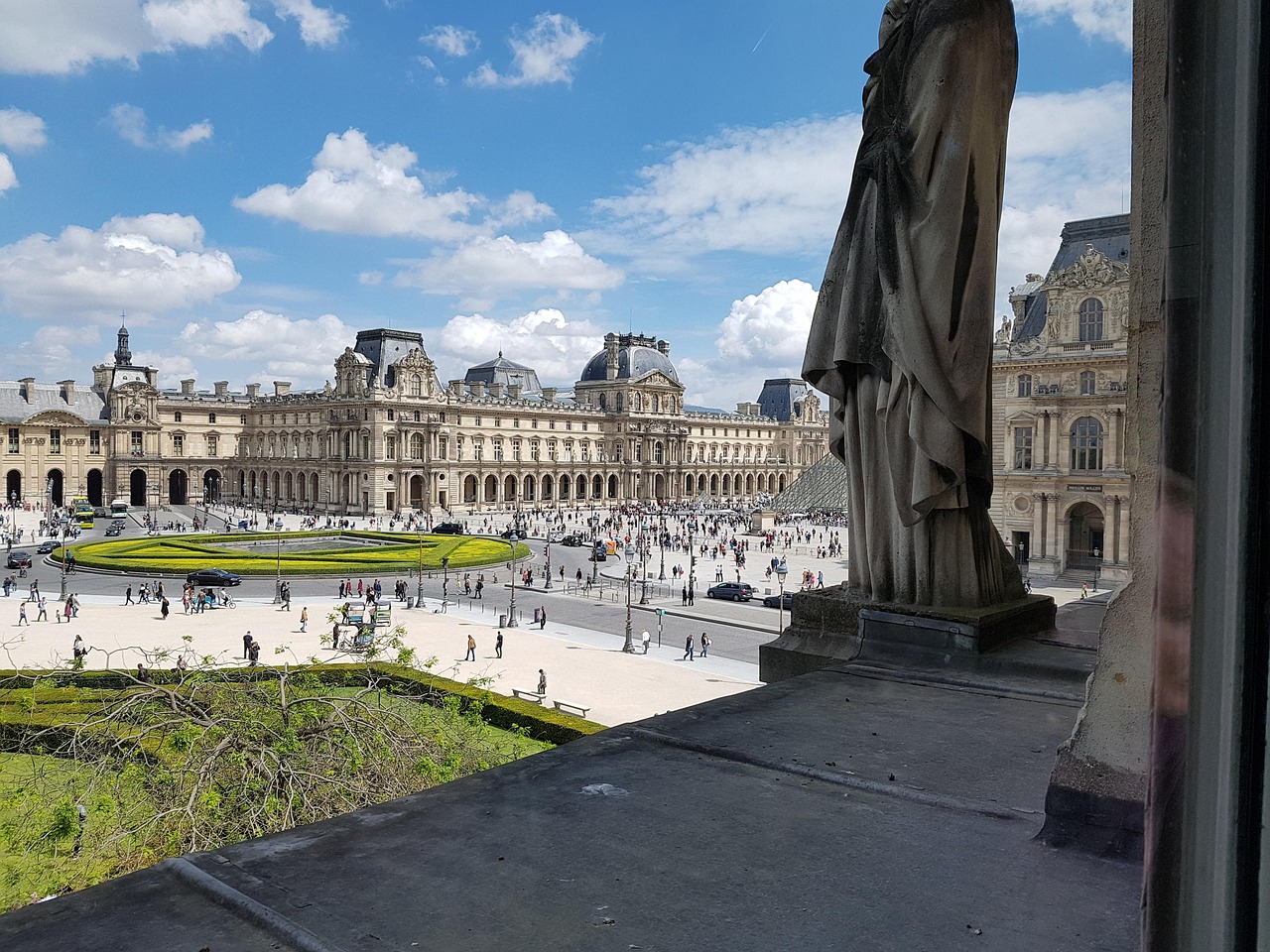
New Art Center Opens on Paris's Île Seguin in October 2026
Large, a contemporary art center focused mainly on the French art scene, will open on Île Seguin near Paris this October.
Hotels Now Offer Tennis Courts, Surf Lessons and Game Tickets
Condé Nast Traveler says sports tourism is worth about $1.16 trillion, and hotels are joining in.
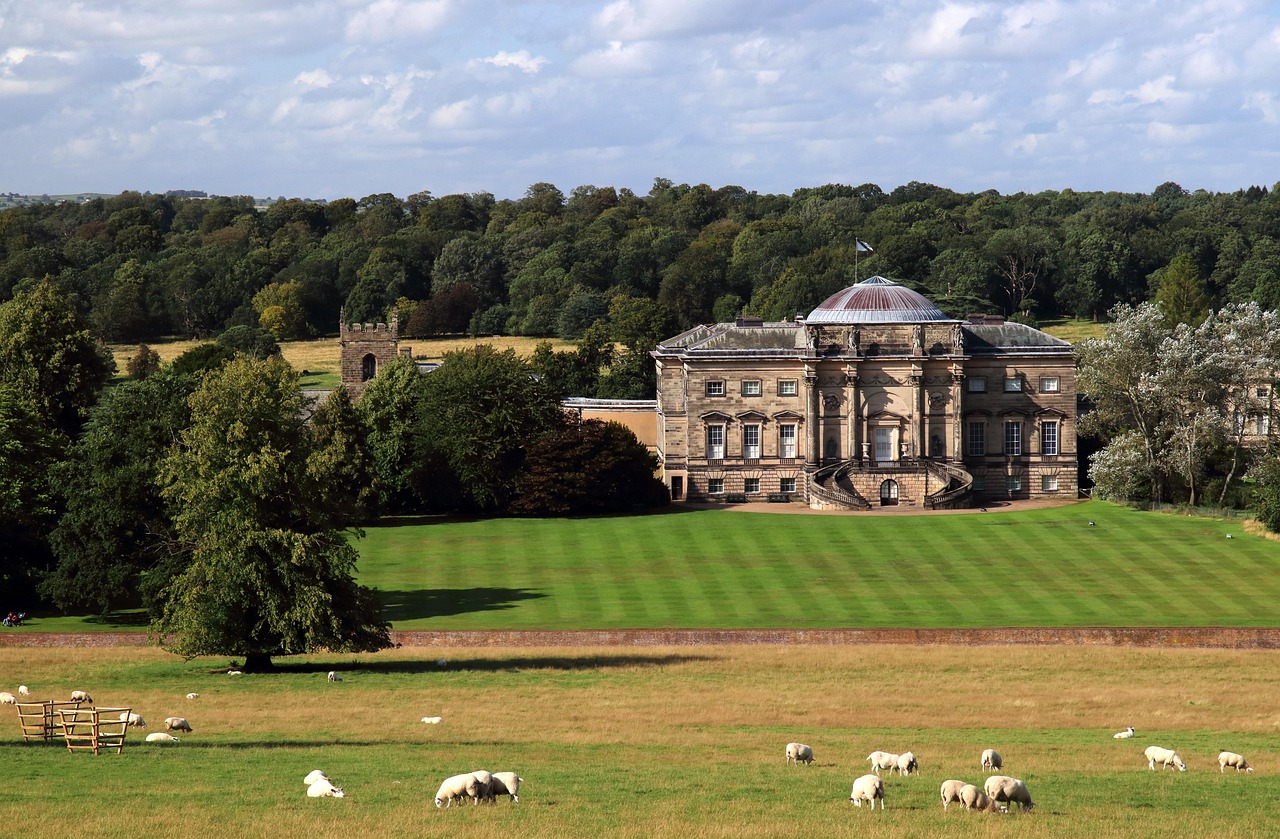
Sleep at the Real Places Where Jane Austen Films Were Made
Historic estates and cottages from film versions of Austen's books are open to overnight guests in the UK.