
Canada's Wildlife Protection Listings Are Running Behind Schedule
New research finds that species needing legal protection under Canada's Species at Risk Act are waiting far longer than expected.
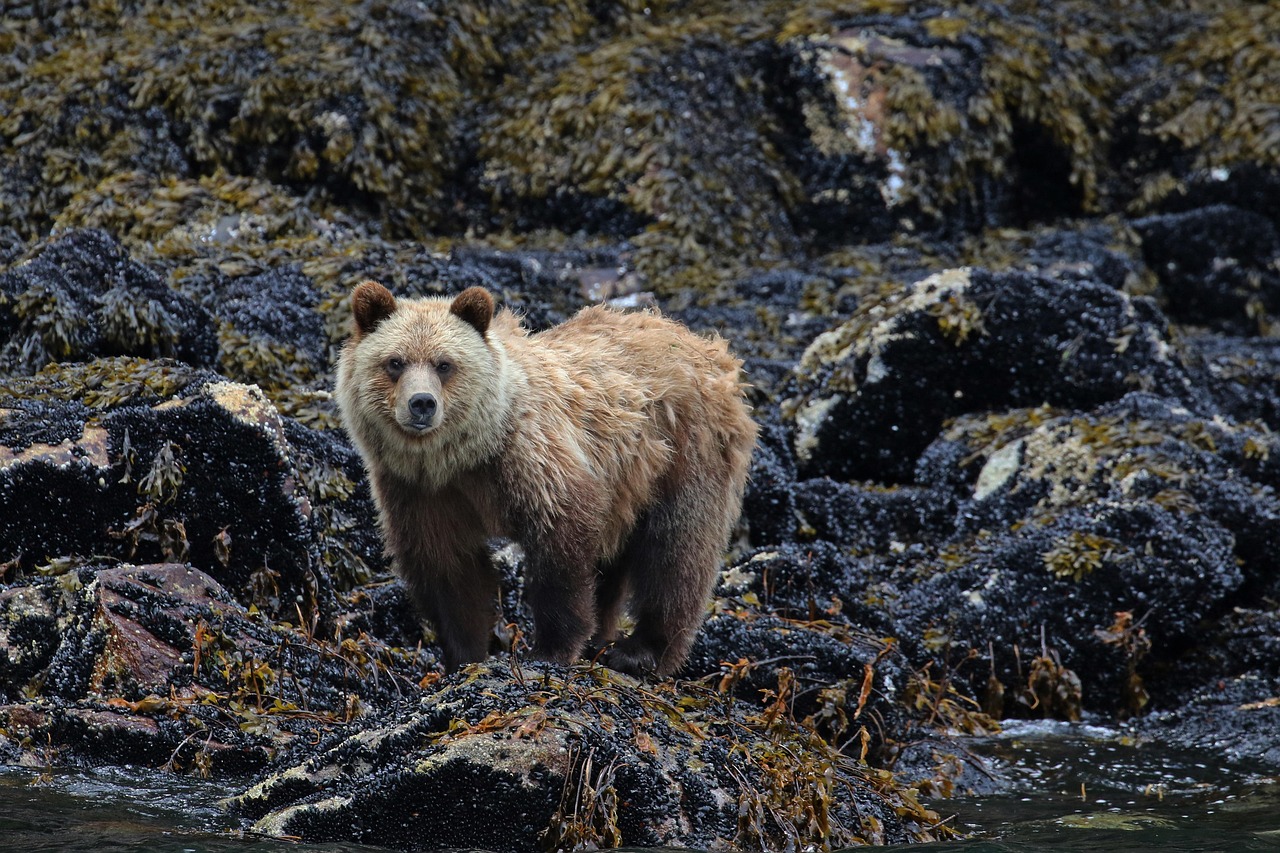
Canada has a law called the Species at Risk Act, known as SARA, which has protected at-risk wildlife for more than 20 years. Once a species is listed under the law, it is illegal to kill, harm or capture it, or to damage its homes. According to Phys.org, new research now looks at how long species wait to receive this protection.
The research found that since 2017, species needing SARA protections have waited nearly two and a half years on average to receive legal protection. The law sets no deadline for the consultation step, which happens before a species assessment reaches Cabinet. Cabinet has nine months under the law to make a final listing decision.
In 2017, the federal government introduced a policy recommending that consultations take no more than 12 months, or 24 months for extended consultation. However, this policy is not binding, which means it is a suggestion rather than a rule. For species forwarded to Cabinet since 2017, the consultation stage ran an average of 477 days past the recommended timeline.
Of 288 species assessed since 2017, 153 are still waiting and already overdue. Only 6% of species assessed since 2017 were forwarded on time. In the eight years before the policy, that figure was 16%.
Some species have waited a long time. COSEWIC assessed limber pine as endangered in 2014, and consultations were completed in 2021, but it has not yet been forwarded to Cabinet. None of the 49 marine fish or 15 marine mammals assessed since 2017 has been forwarded to Cabinet. The Bay of Fundy striped bass was assessed as threatened in 2004, is now endangered, and remains unlisted.
The 2023 SARA annual report also showed delays. For more than 40% of delayed species, consultations were already complete. Of 173 overdue species as of January 2023, 63 were left out of the report, and 57 of those were fish. The report also gave an identical explanation for 31 Pacific salmon populations, pointing to ongoing information collection.
To address these delays, the authors recommend binding timelines for every listing stage. They also suggest strengthening consultation bodies, such as the National Aboriginal Council on Species at Risk, and publicly sharing the species-specific reasons for delays.
More in Animals
Immune Cells Can Both Block and Help Bone Regrowth in Mice
A study of mouse fingertips found that some immune cells slow bone repair while others protect it.
Scientists Find a Hormone in Spiny Dogfish Sharks That Experts Thought Sharks Lacked
A study in Canada detected cortisol in the blood of a small shark species.

A Big Genetic Study of Cat Cancer Finds Surprising Links to Human Cancer
University of Guelph researchers studied tumors from almost 500 cats and say the results could help both species.