
How the New Tesla Roadster Pulled Off Its Jump and Upside-Down Drive
Car and Driver explains the compressed-air thrusters and fans behind the reveal stunts.
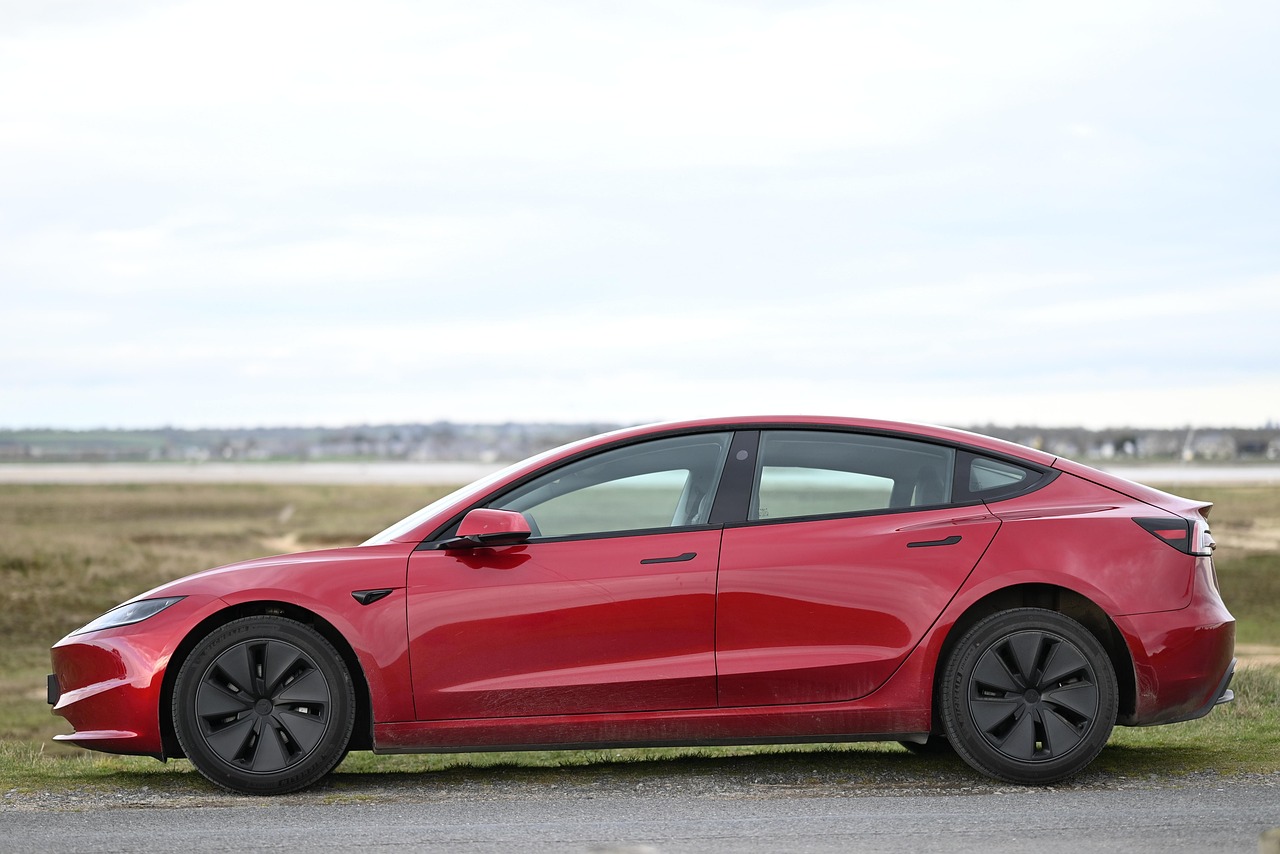
The newly revealed Tesla Roadster amazed the crowd at its reveal by jumping without a ramp and driving upside down. Car and Driver says the stunts were real, but they needed some behind-the-scenes technology, including parts that come from SpaceX, Elon Musk's rocket company. The magazine adds that it is not saying any of this will make it to production, but it can explain what people saw.
The basics: the new Roadster is said to weigh about 3,700 pounds and to be rear-wheel drive only, with two electric motors at the back that make up to 1,500 horsepower. It is a coupe with butterfly doors, and uses a steer-by-wire yoke. It has a battery cell that is claimed to be Tesla's fastest-charging yet, and a claimed range of over 300 miles.
The star of the reveal was a version called Rocket, which did a "kickflip" jump over five other Tesla vehicles, including a Semi, and landed well clear of them. The Rocket car carried two pressure tanks with a capacity of 600 liters, holding 250 kilos of compressed air in total, and the tanks take the place of the passenger seat. The air was pushed through 10 nozzles around the car that work like a rocket's thrusters, which Tesla calls cold-gas thrusters because they use pressurized air and no fuel. Electric actuators make small adjustments to steer the car in the air. Musk said it uses an "ultra-high pressure air tank" with no special propellant. The magazine notes that people have learned not to trust Musk's statements until a product is on sale. Tesla's website says the Rocket model will be available by invitation only and is "not approved for public road use."
Of more interest to drivers is the downforce from a multi-mode fan and ground-sealing system. It makes enough suction that the car could in theory sit on an upside-down road, even when standing still. The fans pull air from under the car, and with active wings they can give up to 2 g's of downforce at 200 mph, though less at lower speeds.
About this story
Source: Car and Driver. Spotted a mistake? Tell us.
More in Cars
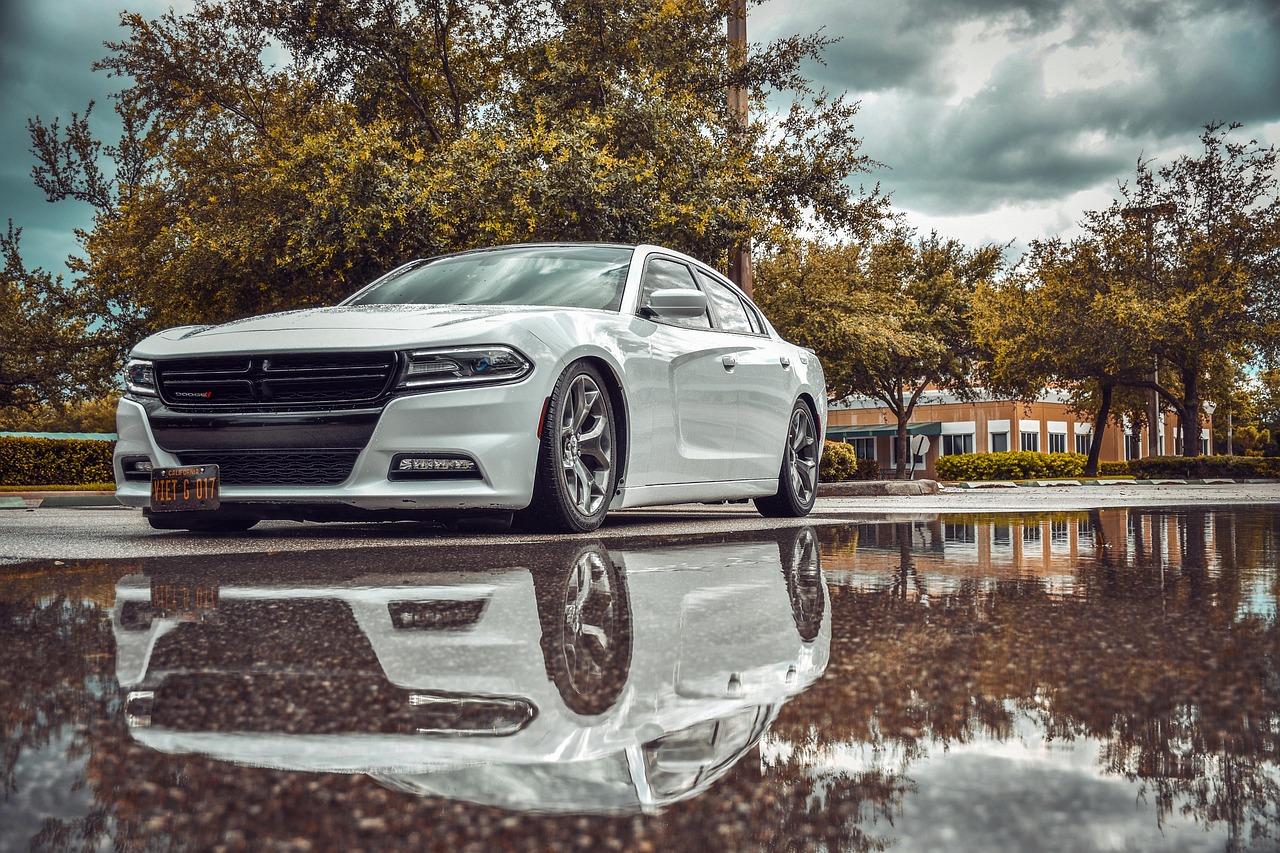
New Dodge Charger Scat Pack Gets a Twin-Turbo Six-Cylinder Engine
Dodge's new Charger Scat Pack uses a 3.0-liter twin-turbocharged engine called the SIXPACK, according to Road & Track.
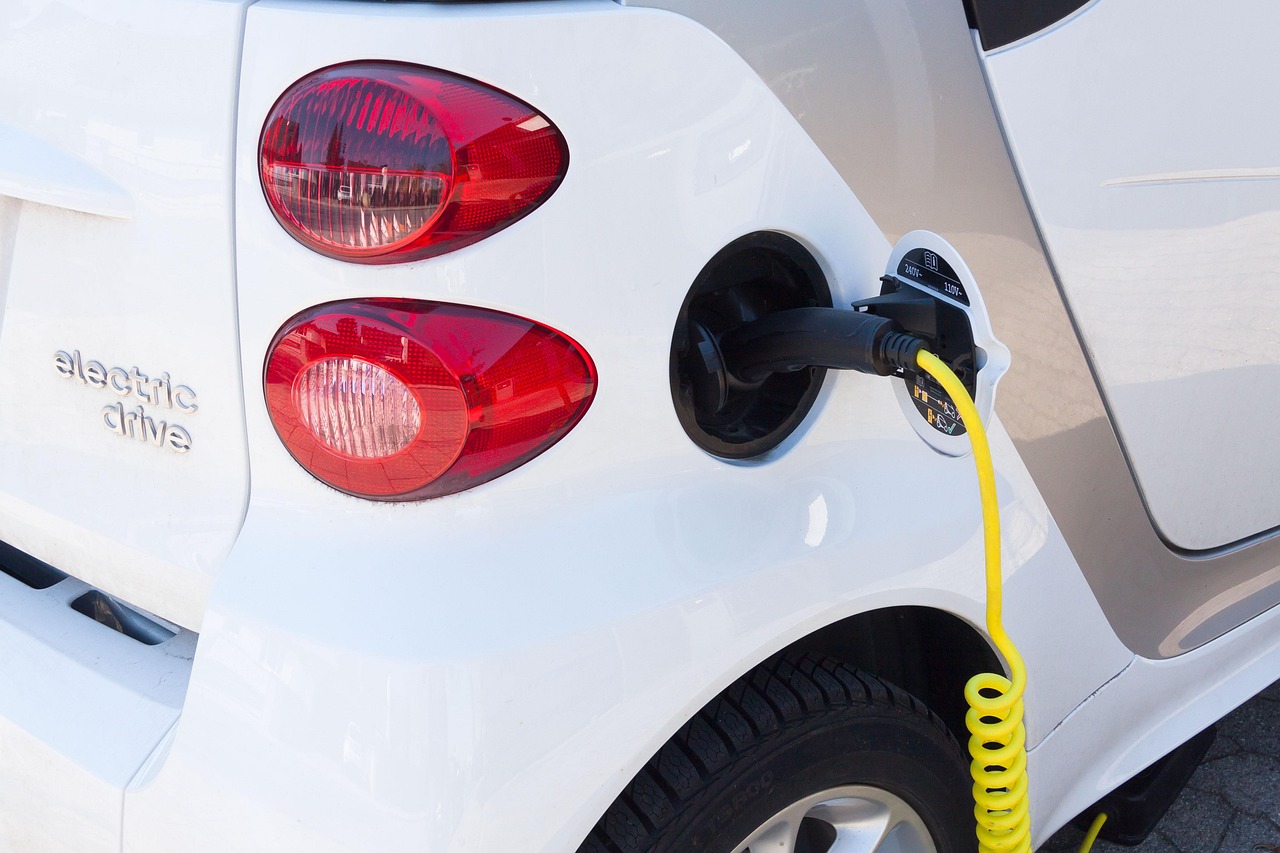
Charging Habits That May Wear Out an Electric Car's Battery
Engadget says simple limits on how full you charge, how hot it gets and how fast you charge can help a battery last.
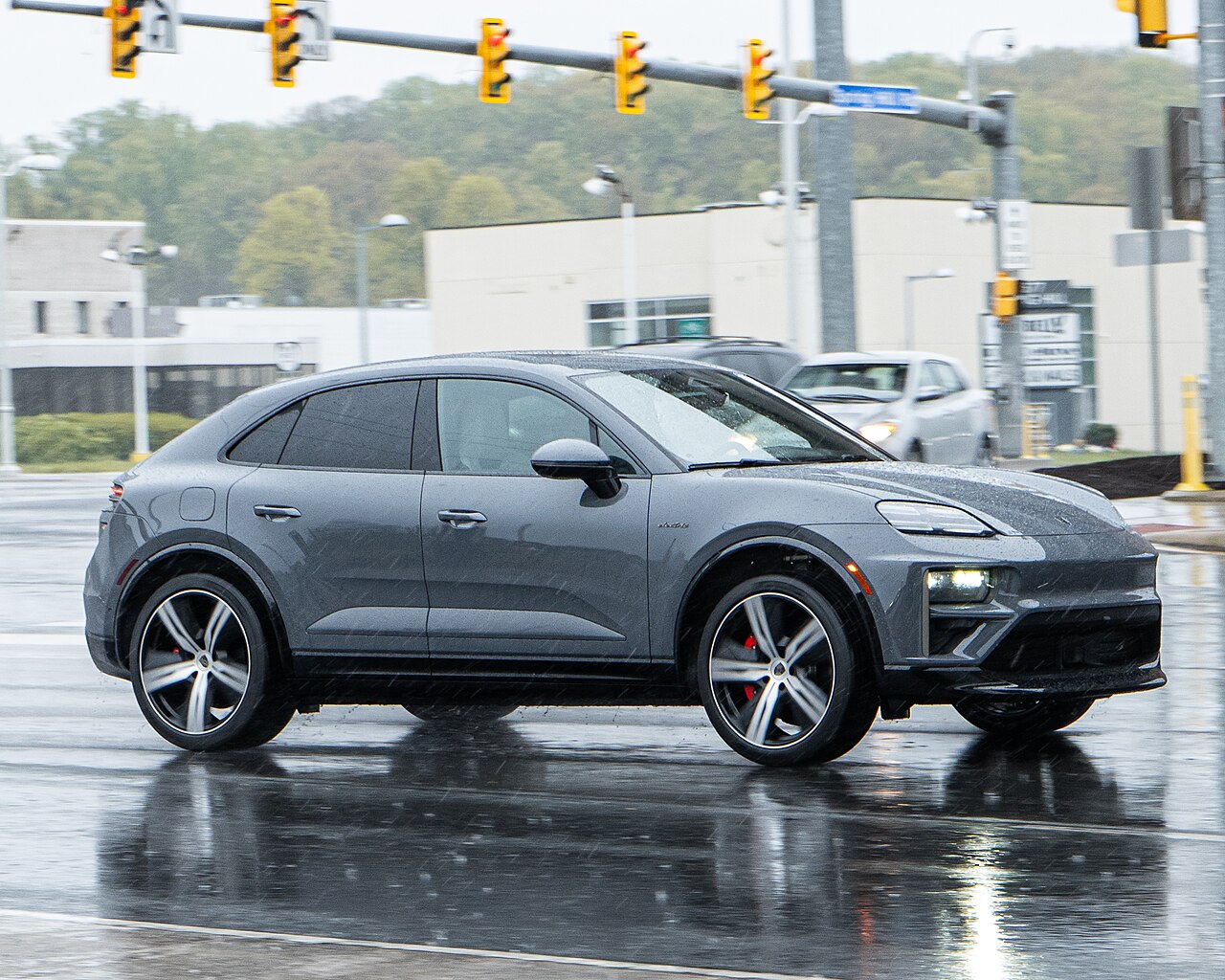
Porsche's Electric Macan Turbo Looks Ordinary but Drives Fast
A TechCrunch reviewer says the electric SUV blends into traffic yet accelerates like a sports car.