
Why Road Salt Is So Bad for Your Car's Paint
Salt keeps winter roads safer, but combined with moisture it speeds up rust, especially on chipped paint.
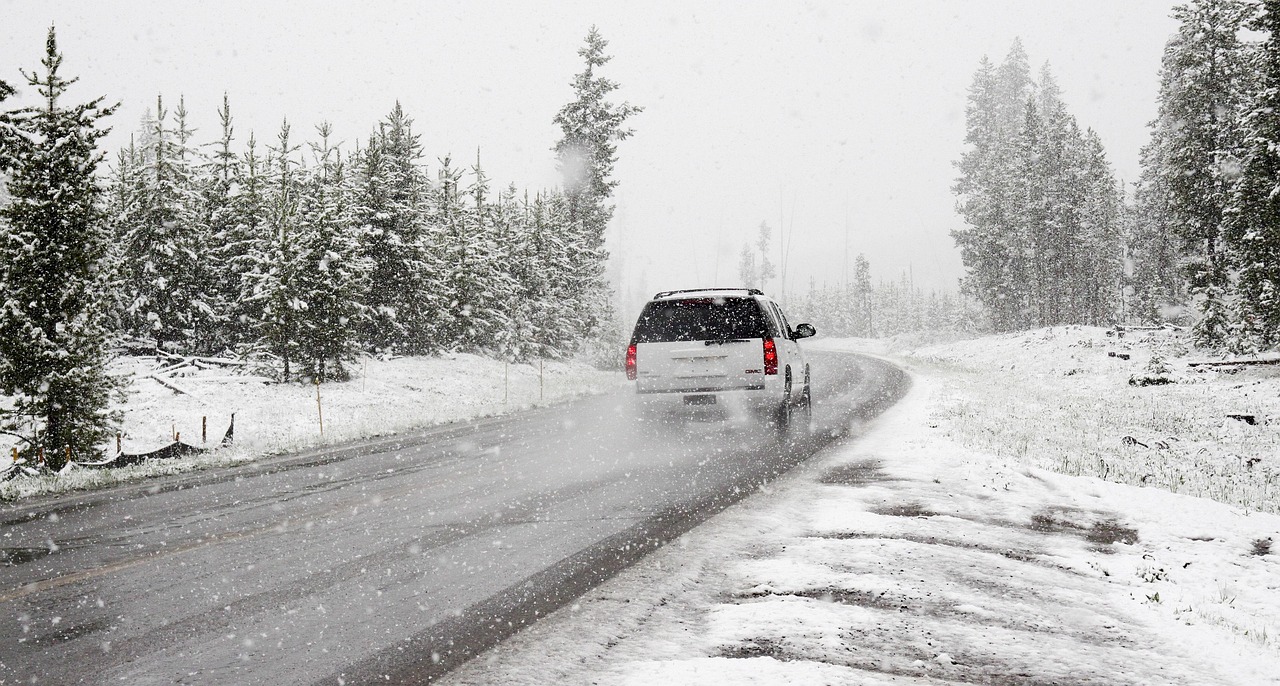
Road salt helps keep roads safer in winter by melting ice. Motor1 explains that it can also be a big problem for cars. White marks around the wheel arches, salty doors and rusty patches along the lower body are familiar sights in cold places, and they can mean more than a cosmetic problem.
The damage does not happen overnight, and salt does not simply dissolve paint when it touches it. Instead, salt mixes with moisture and makes conditions that speed up corrosion, especially where paint is chipped, scratched or worn. Road salt is usually sodium chloride, and it melts ice by lowering the freezing point of water. When it dissolves in moisture, it also makes a liquid that helps rust-causing reactions happen more easily on bare metal.
Modern car paint has a clear coat, a colored layer and protective layers under them. While these are intact, they are a good barrier. But dirt, rubbing, stone chips and earlier damage can leave weak spots. Once moisture and salt reach bare metal, rust can begin and spread, sometimes under the surrounding paint, which can cause bubbling and flaking. Salt can also leave stubborn deposits on the finish, which is why regular washing matters in winter.
It is the mix of salt, water and time that does the harm. Dirty, salty water from the road splashes onto the bottom of the car and gets stuck in tight spots like wheel wells, door edges, and cracks, making them difficult to wash. Liquid de-icing treatments can also get into narrow gaps, so a car can look clean on the outside and still have corrosive residue underneath.
Some of the most serious damage happens where drivers rarely look. The underside of a car is hit by salty spray and has metal parts with less direct protection than painted panels. The places to check most often include:
- Wheel arches and lower doors
- Rockers and door sills
- The undercarriage, including suspension and exhaust parts
More in Cars
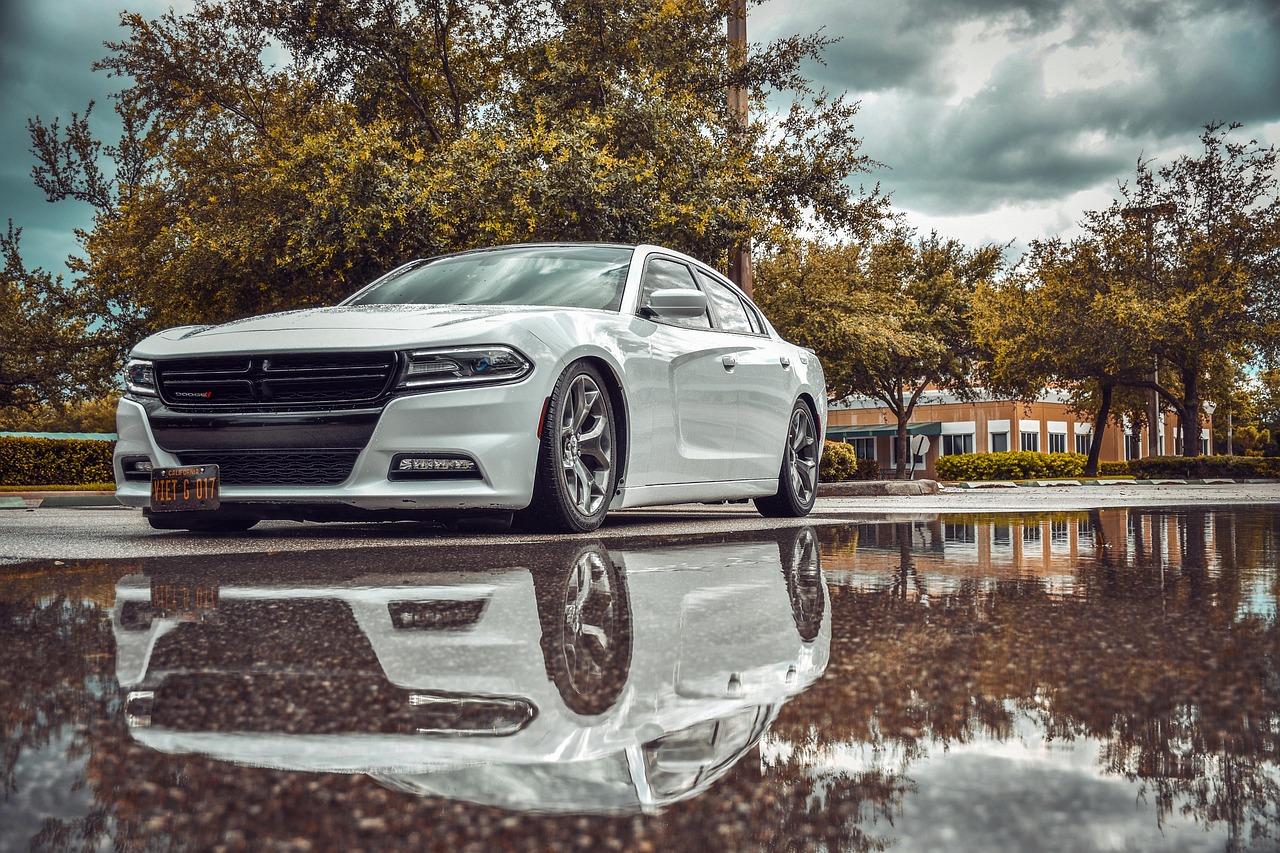
New Dodge Charger Scat Pack Gets a Twin-Turbo Six-Cylinder Engine
Dodge's new Charger Scat Pack uses a 3.0-liter twin-turbocharged engine called the SIXPACK, according to Road & Track.
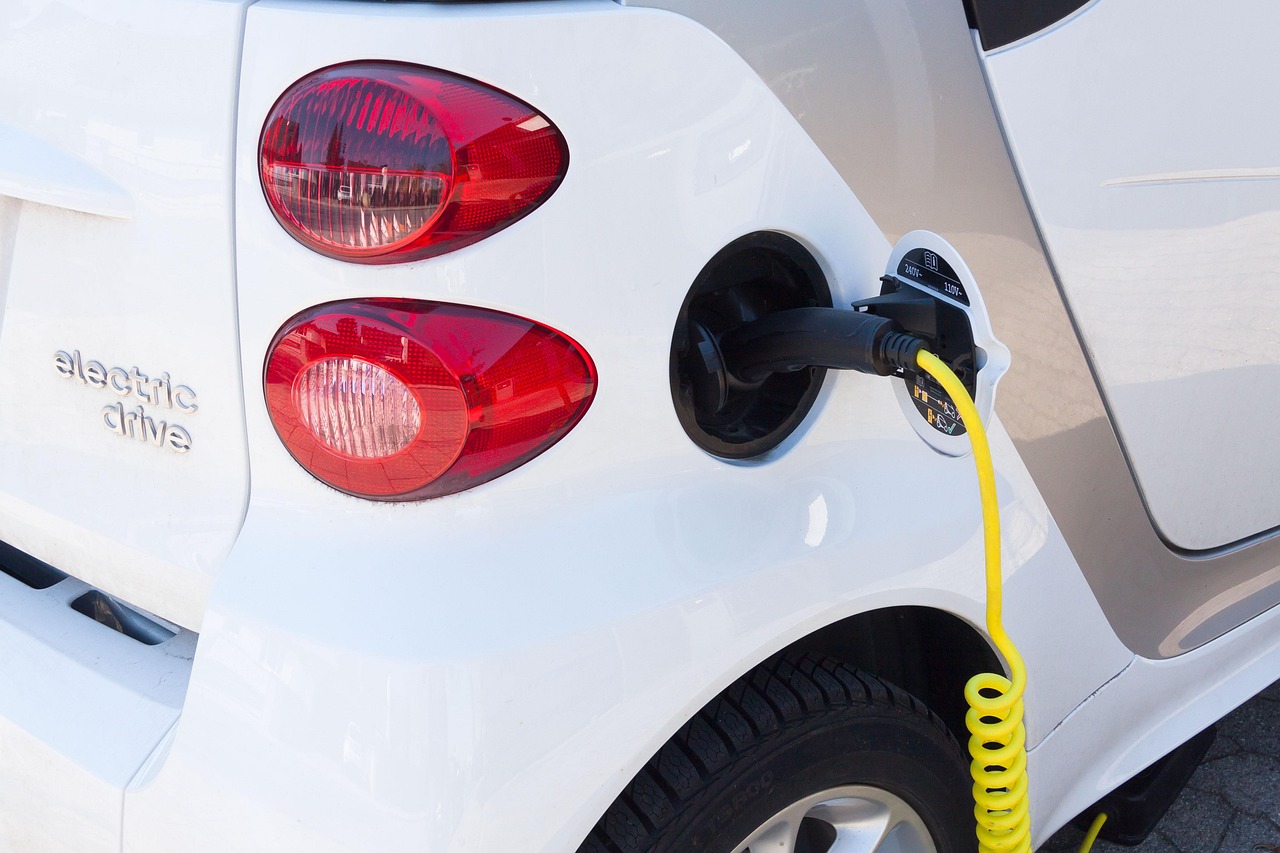
Charging Habits That May Wear Out an Electric Car's Battery
Engadget says simple limits on how full you charge, how hot it gets and how fast you charge can help a battery last.
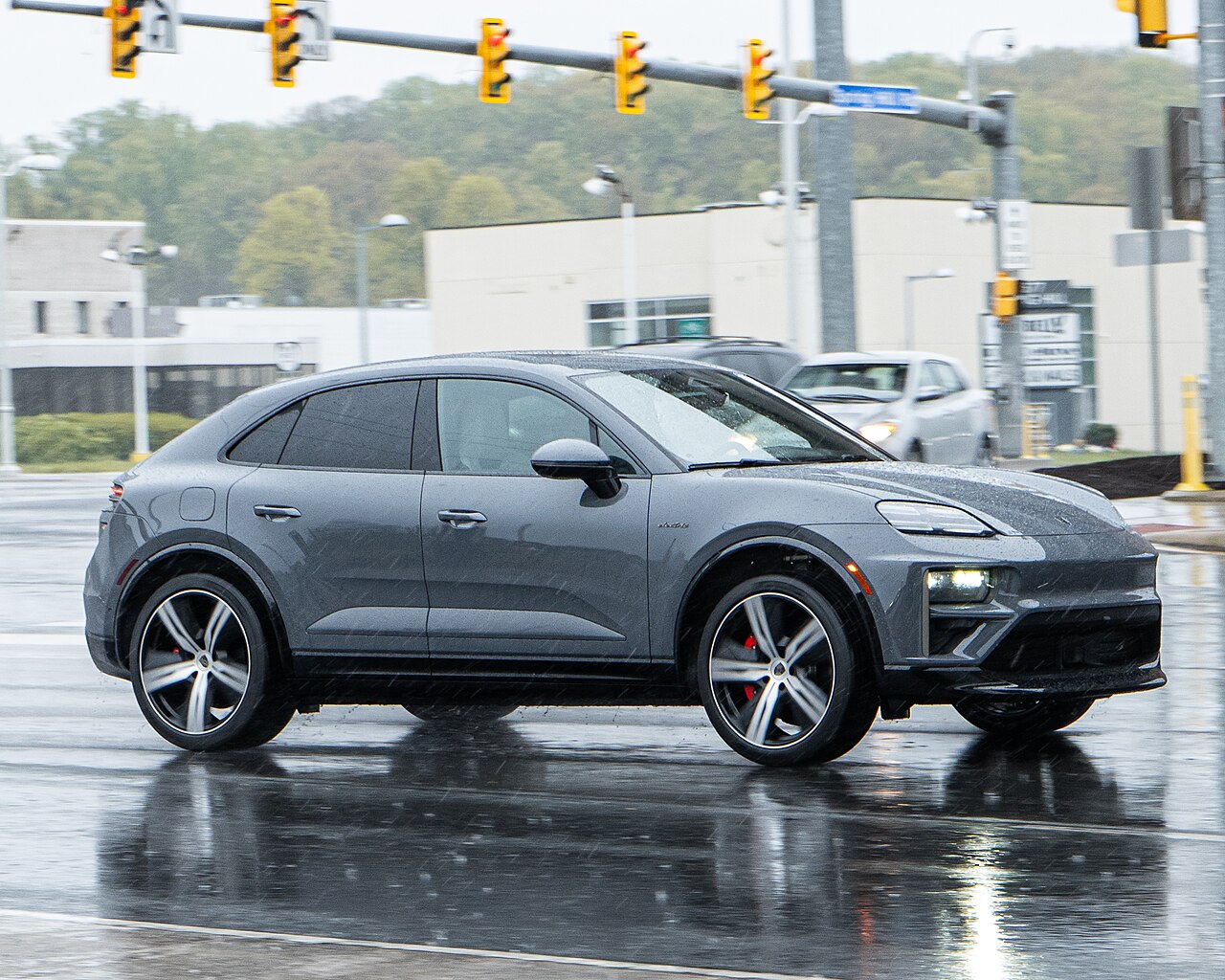
Porsche's Electric Macan Turbo Looks Ordinary but Drives Fast
A TechCrunch reviewer says the electric SUV blends into traffic yet accelerates like a sports car.