
Scottish Health Boards Differ Widely in Prescribing New Medicines
A new report finds big differences between Scotland's health boards in how they prescribe newer medicines, especially GLP-1 drugs.

A new report has found big differences between Scotland's health boards in how they prescribe new medicines, according to BBC News. The report was written by the Association of the British Pharmaceutical Industry (ABPI). The biggest difference was in access to GLP-1 medication.
GLP-1 medication is widely used to treat type 2 diabetes. It was approved for weight management in 2023. Patients in the Western Isles are being prescribed weight loss and diabetes drugs at almost three times the rate of any other health board in Scotland.
The analysis covered NHS prescribing across all Scottish boards from September 2020 to August 2025. It compared access to several new medicines approved by the Scottish Medicines Consortium. From June to August 2025, NHS Western Isles prescribed GLP-1 medicines at a rate of 1,086.54 per head of population. NHS Greater Glasgow and Clyde had the second-highest rate, at 392.97. NHS Shetland had the lowest rate, at 100.31.
The report authors said both boards at the ends of the range serve small island populations. In these places, a few prescriptions can make a big difference. The report did not say which GLP-1 prescriptions were for diabetes and which were for weight loss. Fewer than half of Scotland's 14 territorial health boards were prescribing GLP-1s specifically for weight loss. Fewer than 800 Scots had received GLP-1 jabs for weight loss purposes.
NHS Western Isles said it was seeing significant clinical benefit from the medication. It has 340 patients on medication for weight loss, the highest number of any board in the pilots. Six health boards are taking part in pilot programmes to improve access to weight loss medication.
The Royal College of Physicians described the lack of access as discriminatory against obese people. The ABPI said there were limitations to the data. However, it said better planning could help overcome inequalities in access. The ABPI made seven recommendations, including better planning and more transparency by health boards.
The report also looked at heart and blood vessel disease, known as cardiovascular disease. This affects around 800,000 people in Scotland. Prescribing rates for non-statin LDL-lowering medicines, which help reduce harmful cholesterol, differed eight-to-10-fold between Highland and Forth Valley.
The Scottish government said it would carefully consider the findings of the report. Its health board reforms include plans to reduce the number of mainland health boards from 14 to two.
More in Health

Woman with MS Struggles After Running Out of Key Medicine
Jill Kenning, who has multiple sclerosis, says she is in severe pain after she could not get her usual medicine, Nabilone.
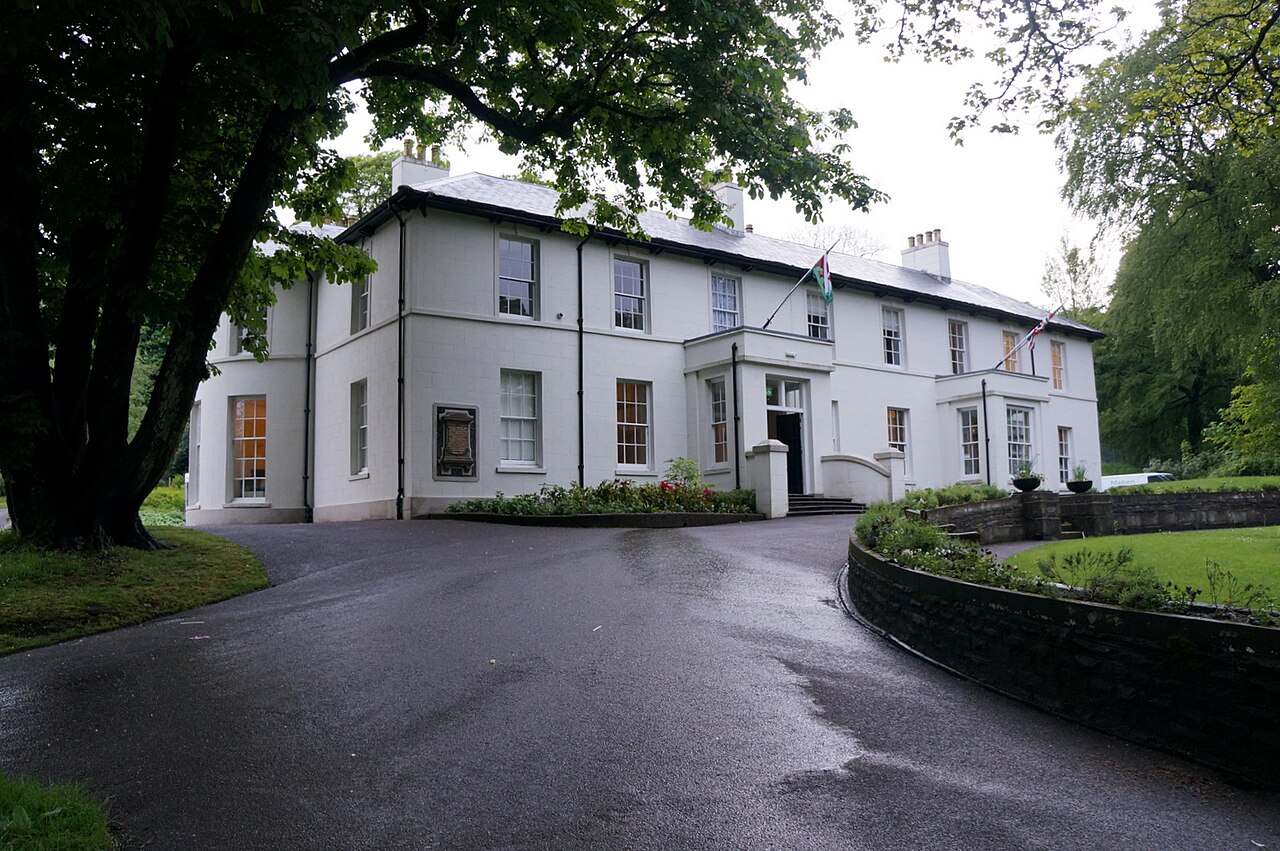
How a Welsh Café Club Helped Shape Ideas Behind the NHS
A small group of young thinkers in Tredegar, Wales, began meeting in 1921, and one of them later helped create the NHS.

Wales' Newest Hospital Faces Criticism Over Delays and Crowding
Grange University Hospital in Cwmbran has been criticised over long waits, but senior staff say it is safe.