
Protein Foods to Help Build Strength, According to Good Housekeeping
A nutrition expert shares how much protein adults need and which foods contain it.
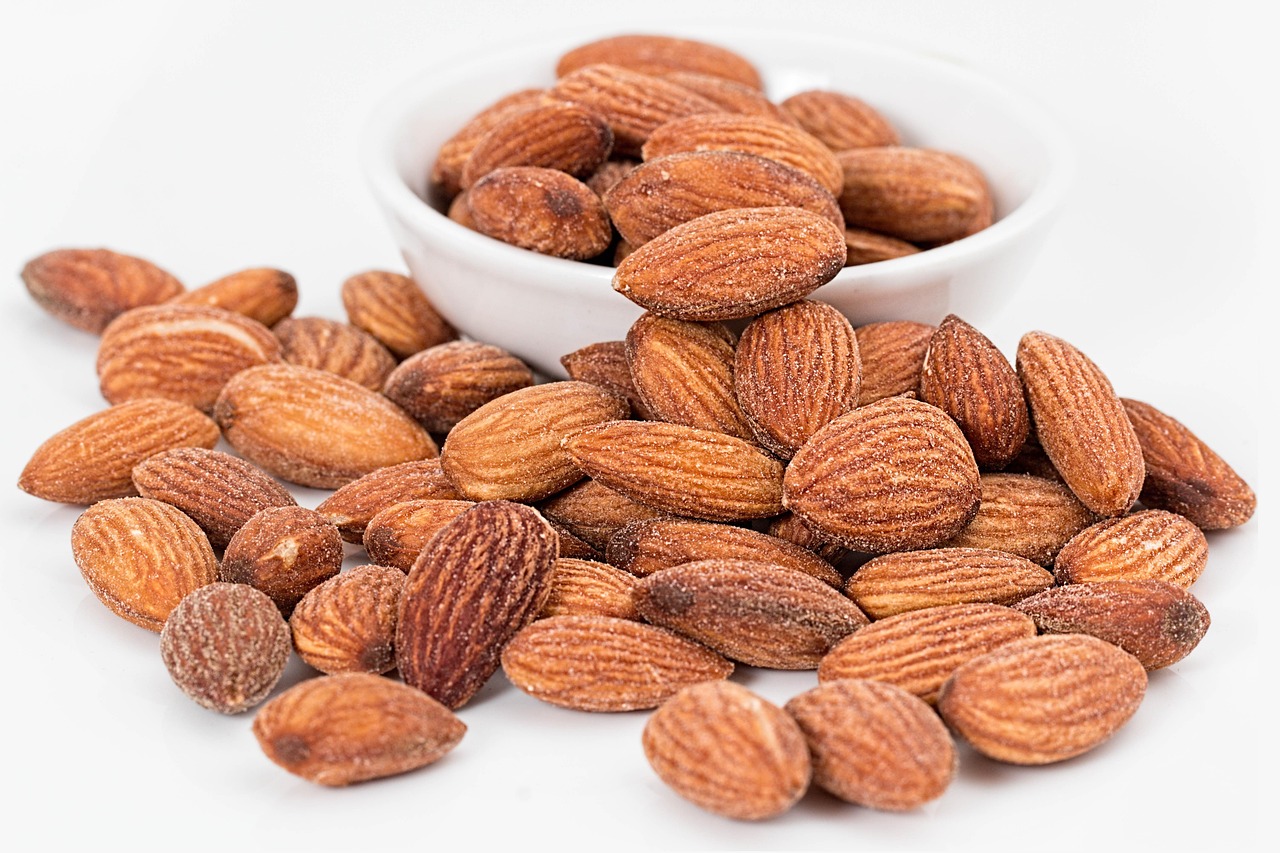
Protein is an essential nutrient, which means the body needs it to work well. It is especially important for building muscle and getting stronger.
Nyree Dardarian, an assistant clinical professor and director of the Center for Nutrition and Performance at Drexel University, shares guidance on how much protein to eat. The Recommended Dietary Allowance (the amount most healthy people need each day) for protein is 0.8 grams per kilogram of body weight. For a 150-pound person, that is about 55 grams a day.
Dardarian suggests aiming for 20 grams of protein at each meal. Spreading protein across the day can make it easier to reach the daily amount.
According to Good Housekeeping, many everyday foods are good sources of protein. Chicken breast is a complete protein. Three ounces of boneless, skinless chicken breast have 25.9 grams of protein, according to the USDA. One large egg contains 6.2 grams, and each egg white has 3.6 grams.
Fish and seafood also provide protein. According to the USDA, 100 grams of wild-caught salmon provides 22.3 grams, and just over half a can of tuna packed in water (about 3 ounces) has 22 grams. A 100-gram serving of shrimp provides 15.6 grams.
Meat options include about 3.5 ounces of 90% lean ground beef, with 18.2 grams, and a 3.5-ounce serving of boneless pork loin, with 21.1 grams. Roasted, skinless turkey breast offers 30.1 grams in a 3.5-ounce serving, according to the USDA.
Dairy foods can also help. According to the USDA, a half-cup of low-fat cottage cheese has 14 grams of protein, and a 7-ounce container of plain low-fat Greek yogurt contains nearly 20 grams.
Plant-based choices offer protein too. A half-cup of firm tofu has 21.8 grams, a half-cup of tempeh has 16.9 grams, and a half-cup of frozen edamame has 9.2 grams, according to the USDA. A half-cup of lentils has 23.6 grams of protein. Dardarian notes that lentils are a staple of Blue Zone diets (eating patterns in regions where people often live longer).
About this story
Source: Good Housekeeping. Spotted a mistake? Tell us.
More in Health

Woman with MS Struggles After Running Out of Key Medicine
Jill Kenning, who has multiple sclerosis, says she is in severe pain after she could not get her usual medicine, Nabilone.

How a Welsh Café Club Helped Shape Ideas Behind the NHS
A small group of young thinkers in Tredegar, Wales, began meeting in 1921, and one of them later helped create the NHS.
Wales' Newest Hospital Faces Criticism Over Delays and Crowding
Grange University Hospital in Cwmbran has been criticised over long waits, but senior staff say it is safe.