
Fish Helpers Guard Their Family Groups, Study Finds
Researchers found that a freshwater fish from Southeast Asia shows early signs of cooperative breeding, in which helpers other than the parents join in.
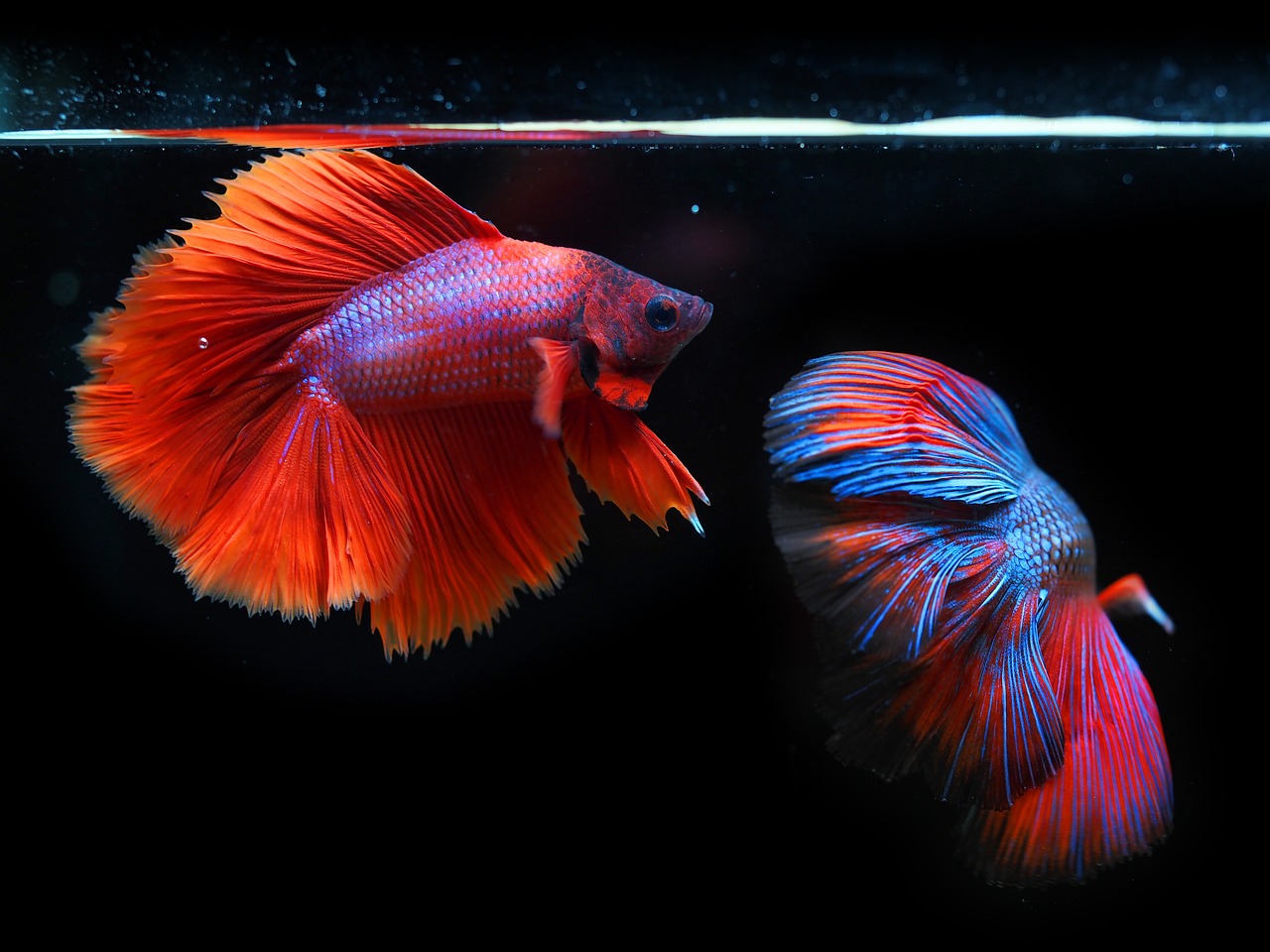
Cooperative breeding is a system in which individuals other than the parents help care for offspring. This kind of behavior has been documented in mammals and birds. It is also known in approximately 30 species of cichlids (a family of fish) that live in Lake Tanganyika in East Africa.
A new study looked at a different fish, Betta brownorum. This freshwater fish is native to Southeast Asia. Researchers studied it under captive conditions, which means the fish were kept and observed in a controlled setting.
Earlier, people had noted anecdotal observations, or informal reports based on what they saw, suggesting that Betta brownorum might show cooperative breeding. The new study set out to test this idea more closely.
In intrusion experiments, the researchers saw that breeding adults and subordinate individuals (the fish that were not the parents) often attacked intruders from other species. The attacks by breeding adults increased when the subordinates were removed. When the subordinates were returned to their family groups, the attacks by breeding adults decreased.
The researchers did not observe the subordinate fish directly caring for eggs or fry (newly hatched young fish). Even so, the results suggest that Betta brownorum appears to exhibit an incipient form of cooperative breeding, meaning an early or beginning form of the behavior.
According to Phys.org, the study was published in Behavioral Ecology and Sociobiology.
More in Animals
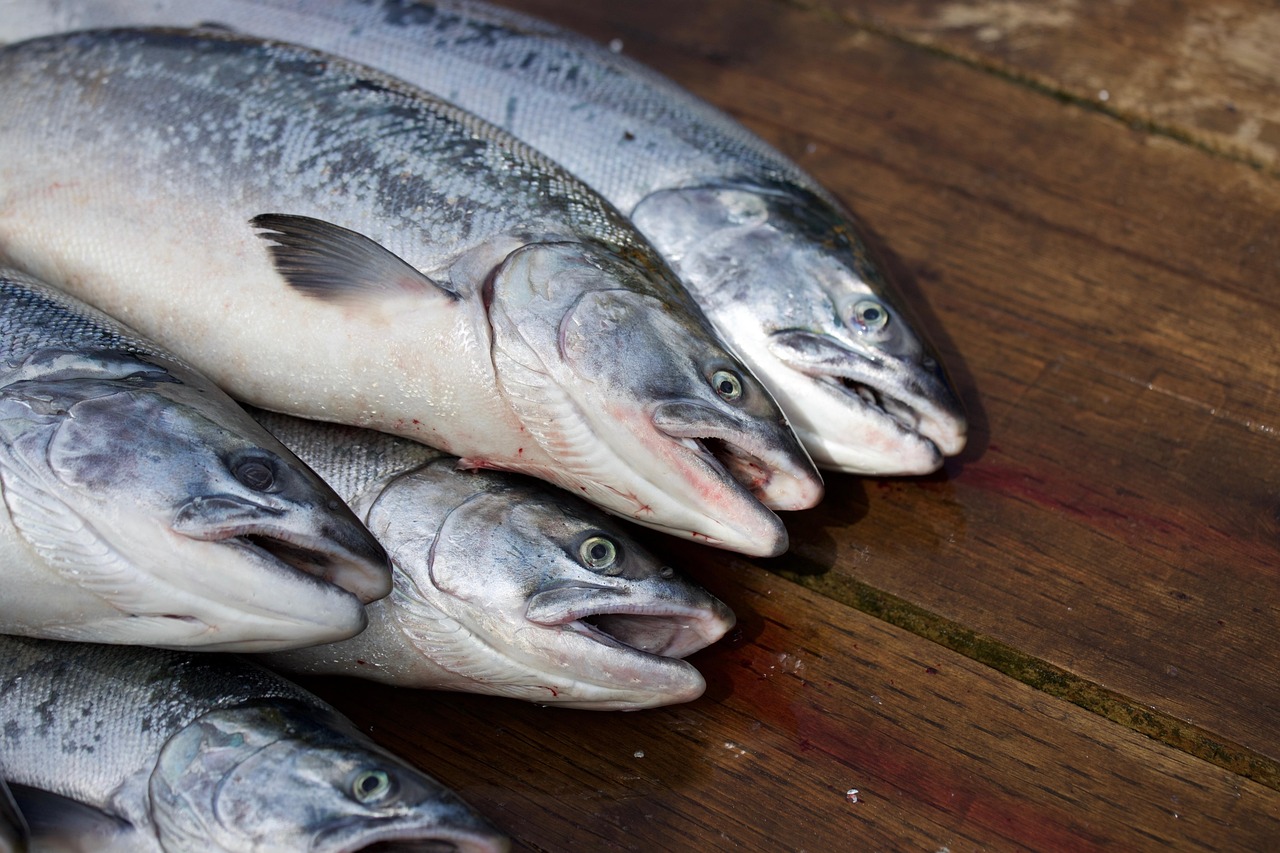
New Study Looks Closely at Atlantic Salmon Farms in British Columbia
Scientists examined salmon farms over more than a year and found signs of a heart and muscle illness on most of them.
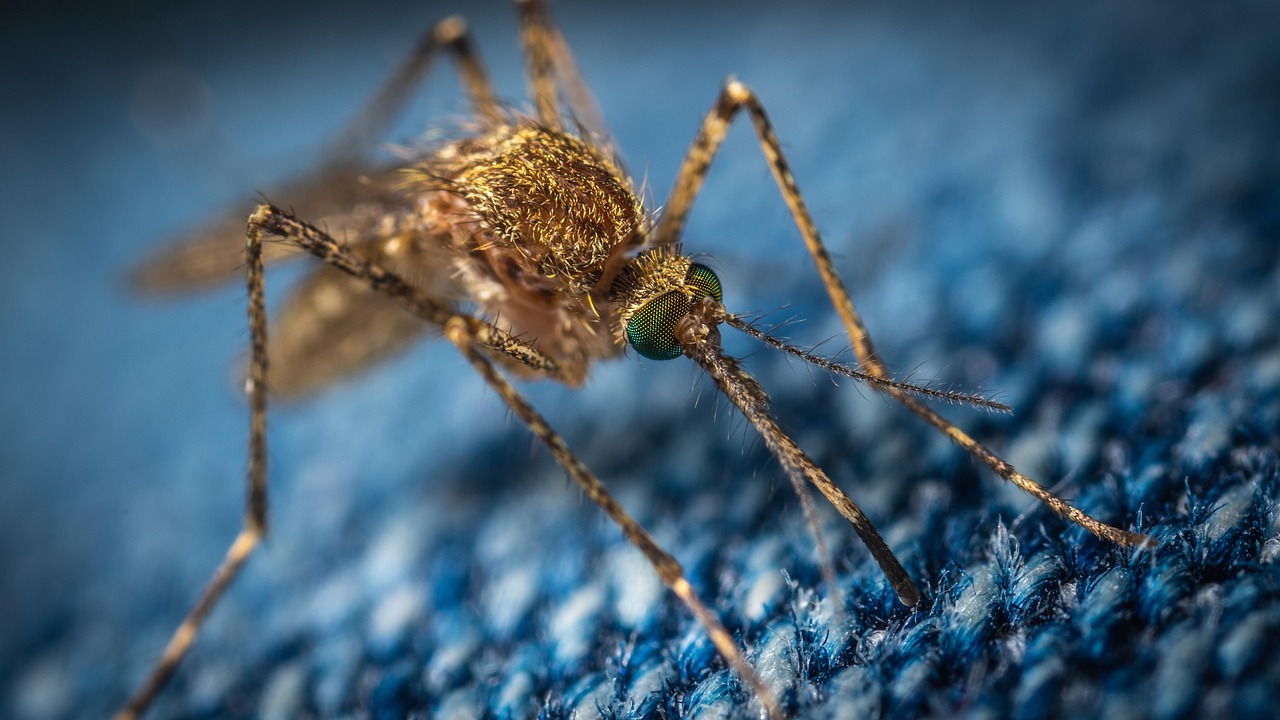
New Study Reveals How Mosquitoes Find Blood to Bite
Researchers at Johns Hopkins University used video and electrical recordings to track the stages of a mosquito bite.
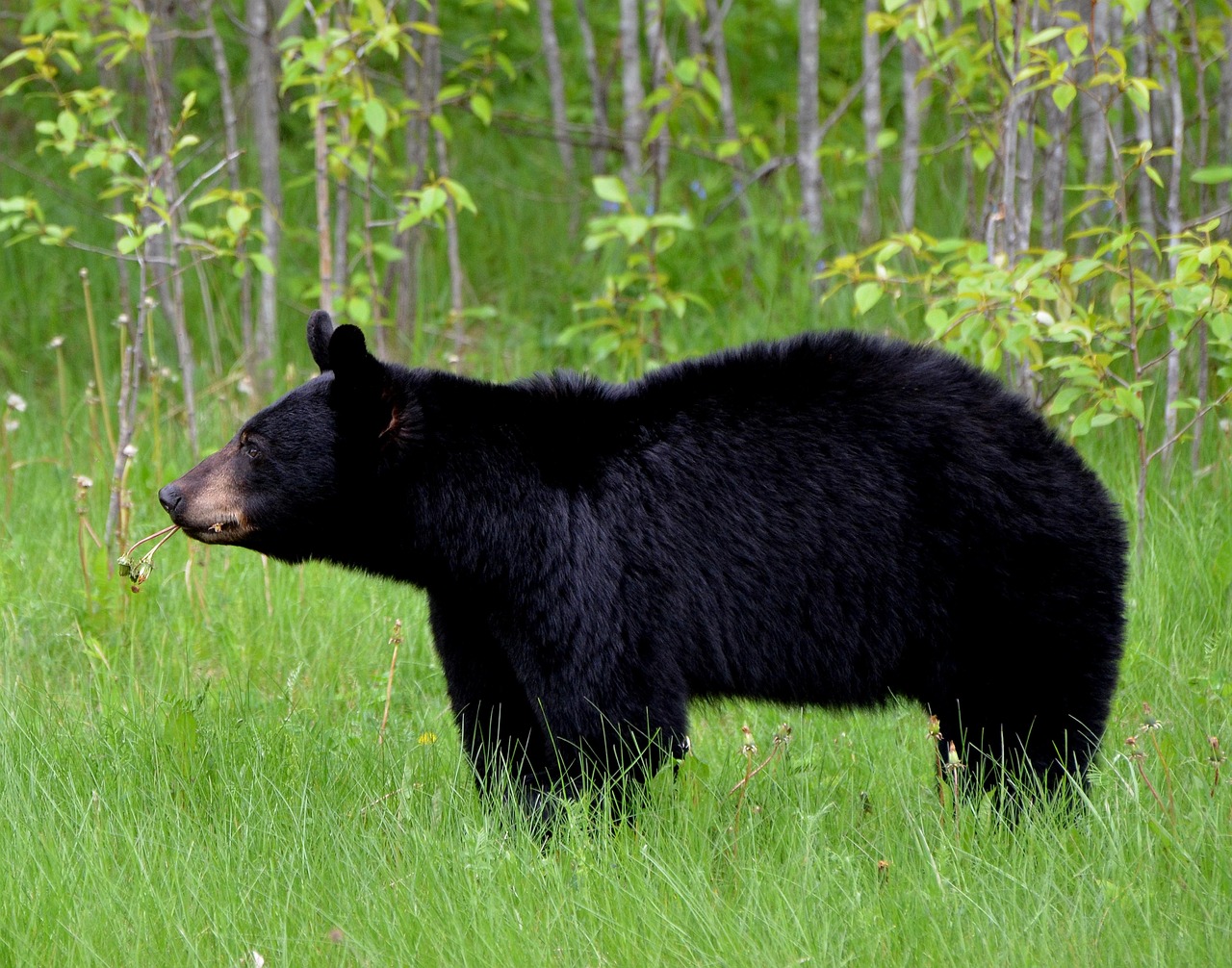
Genetic Study Finds Coastal North Carolina Black Bears Face Greater Strain
Researchers sequenced the genomes of 76 black bears in North Carolina and found differences between mountain and coastal groups.