
NASA Shares Facts About the Great Nebula in Orion
The Great Nebula in Orion is a huge, nearby region where new stars are born.
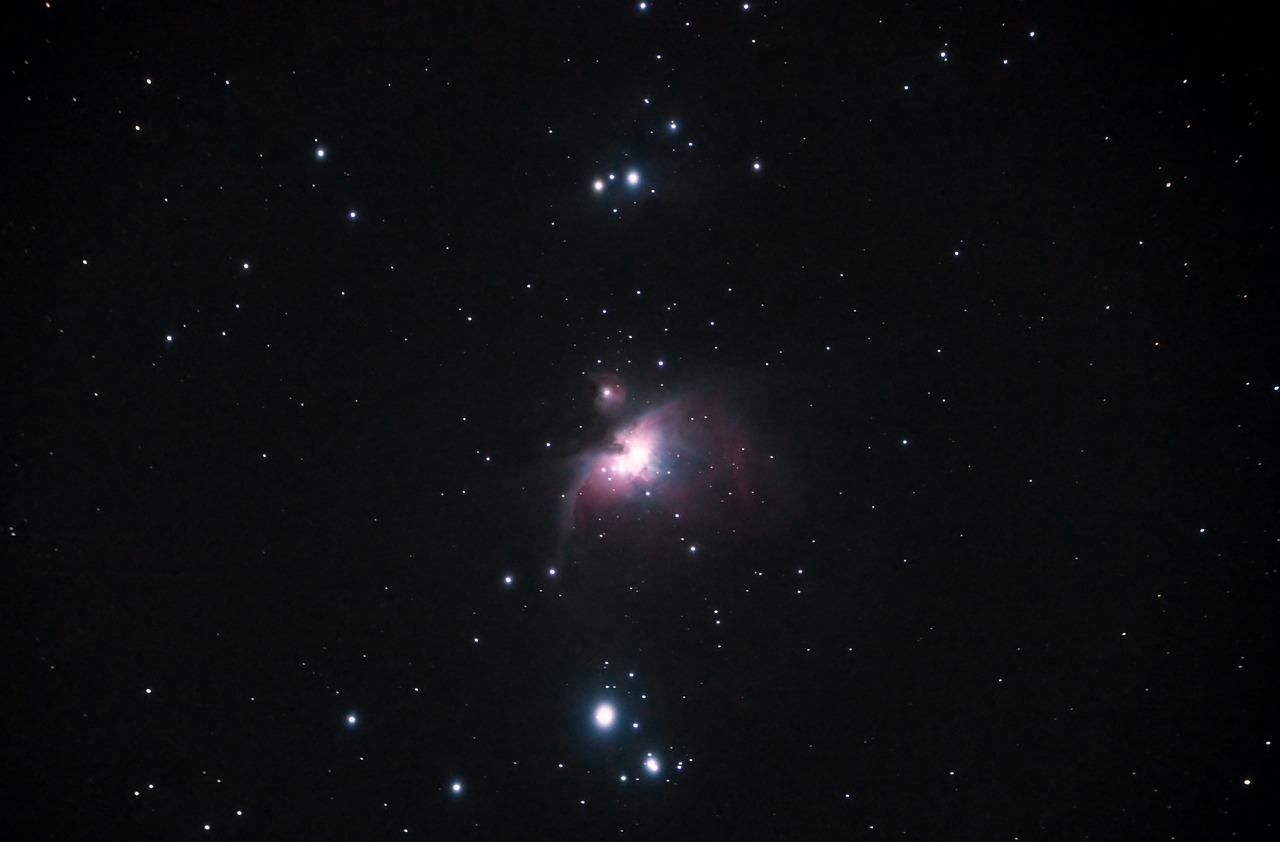
According to NASA, the Great Nebula in Orion is an immense region that is close to us, where stars are born. Glowing gas surrounds hot young stars at the edge of an interstellar molecular cloud, which is a large cloud of gas and dust found between the stars.
The molecular cloud is only 1,500 light-years away. A light-year is the distance that light travels in one year. Wisps and sheets of dust and gas can be seen clearly in the featured deep image.
The Great Nebula in Orion can be seen with the unaided eye, which means you do not need a telescope to spot it. It lies near the belt of three stars in the constellation Orion.
The Orion Nebula also houses a bright group of stars known as the Trapezium. This group is an open cluster, which means a loose group of stars. The Orion Nebula is also known as M42.
The Orion Nebula contains many stellar nurseries, which are places where stars are formed. These nurseries contain hydrogen gas, hot young stars, proplyds, and stellar jets. Proplyds are disks of gas and dust around young stars, and stellar jets are streams of gas shot out from young stars.
The Orion Nebula spans about 40 light-years, so it is very large. It is located in the same spiral arm of our Galaxy as the Sun.
Tomorrow's picture from NASA is titled "Open Space."
More in Science

Study Traces Brain and Nerve Pathways Across Vertebrate Evolution
A new review by Dr. Martin Wessendorf and Daniel Wang looks at how key brain and nerve pathways developed across animal species.
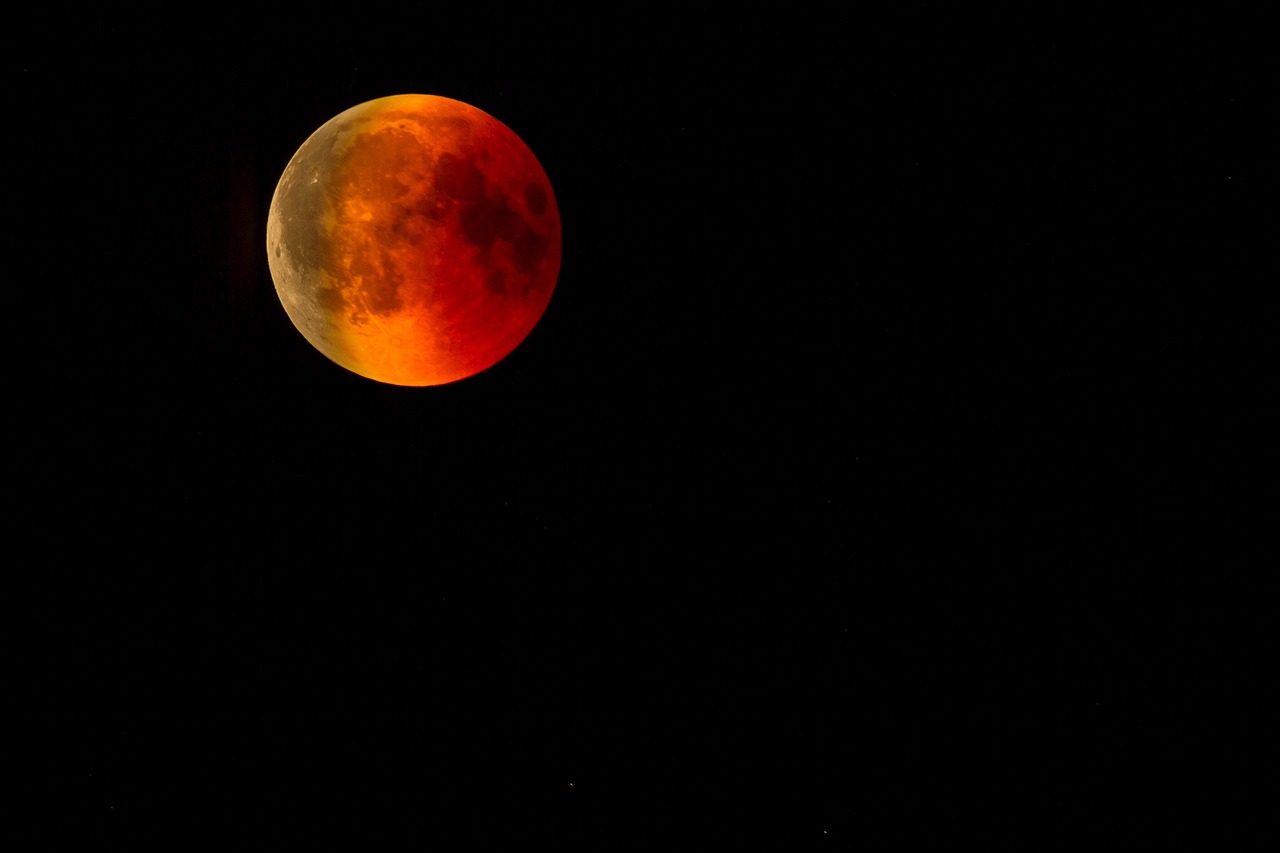
Hunter's Moon Lights Up the Autumn Sky Across the World
The full Hunter's Moon rose over many places on October 25 and 26, and photographers captured it in a range of scenes.
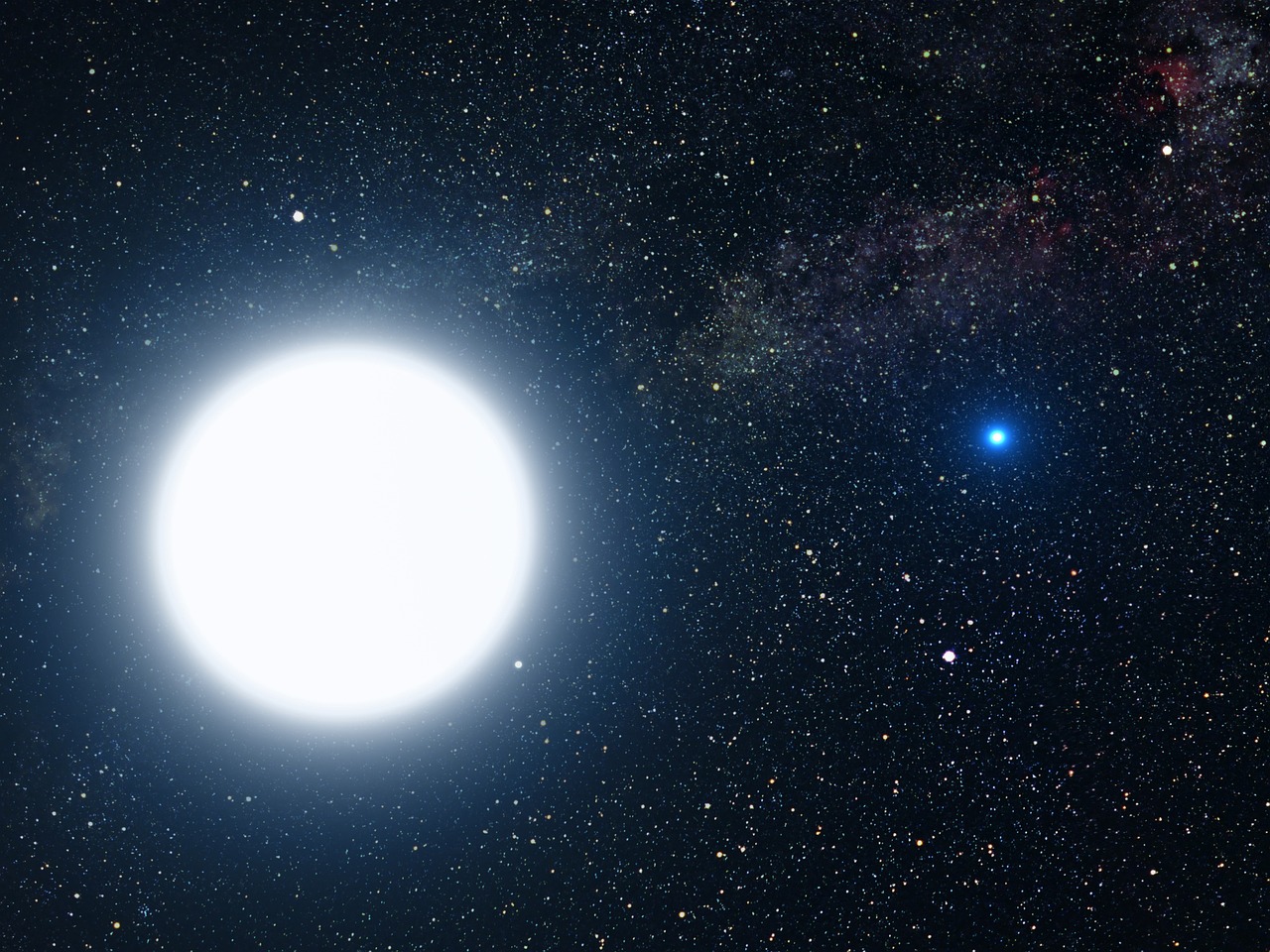
Stars Come in Many Colors, and Some White Dwarfs Are Surprising
NASA shares how star colors relate to temperature and how some white dwarf stars can look yellow, green, or purple.