
Stars Come in Many Colors, and Some White Dwarfs Are Surprising
NASA shares how star colors relate to temperature and how some white dwarf stars can look yellow, green, or purple.
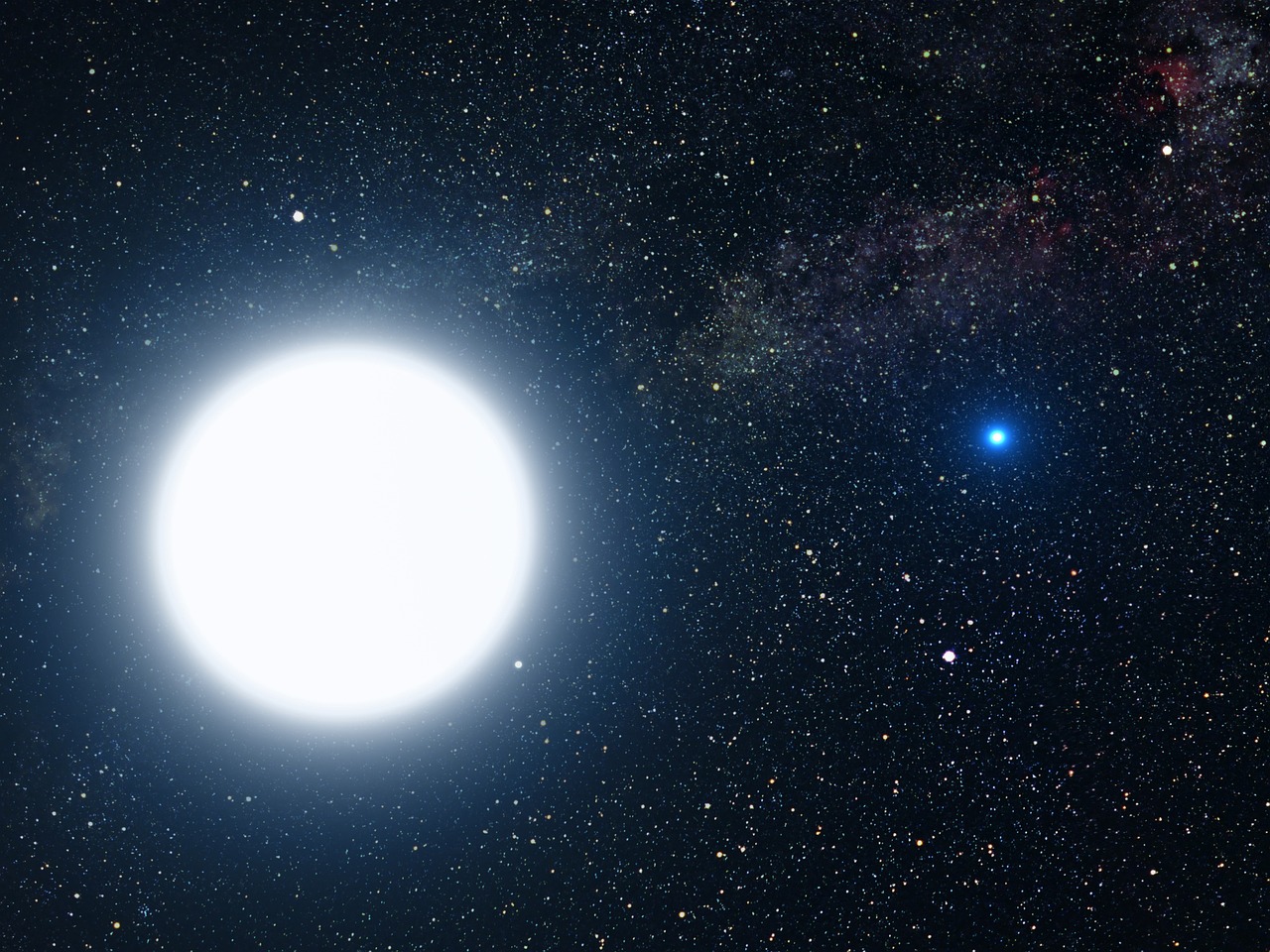
Except for the Sun, all stars are so far away from Earth that they look like tiny points of light in the sky. Even though they look small, stars can have a range of colors, according to NASA.
Most stars are white, but some look noticeably red or blue. A star's color is usually linked to its temperature. Blue stars are hotter than red stars.
NASA's featured image shows WD J1330+6435, a white dwarf star. A white dwarf is a small, faint star that is left over when a star like the Sun uses up its nuclear fuel (the energy source that powers a star). The illustration shows an accretion disk (a flat, spinning ring of material) with gas and rocks orbiting the white dwarf.
Astronomers, who are scientists that study stars and planets, recently found that some white dwarf stars would appear yellow, green, cyan, pink, or purple. This was reported by NASA.
Scientists found that trace elements (very small amounts of other substances) that have collected onto these stars interact with the star's atmosphere (the outer layer of gas around it). This interaction shifts the stars' normally white color.
Some white dwarf stars are too faint to be seen tonight.
More in Science

Study Traces Brain and Nerve Pathways Across Vertebrate Evolution
A new review by Dr. Martin Wessendorf and Daniel Wang looks at how key brain and nerve pathways developed across animal species.
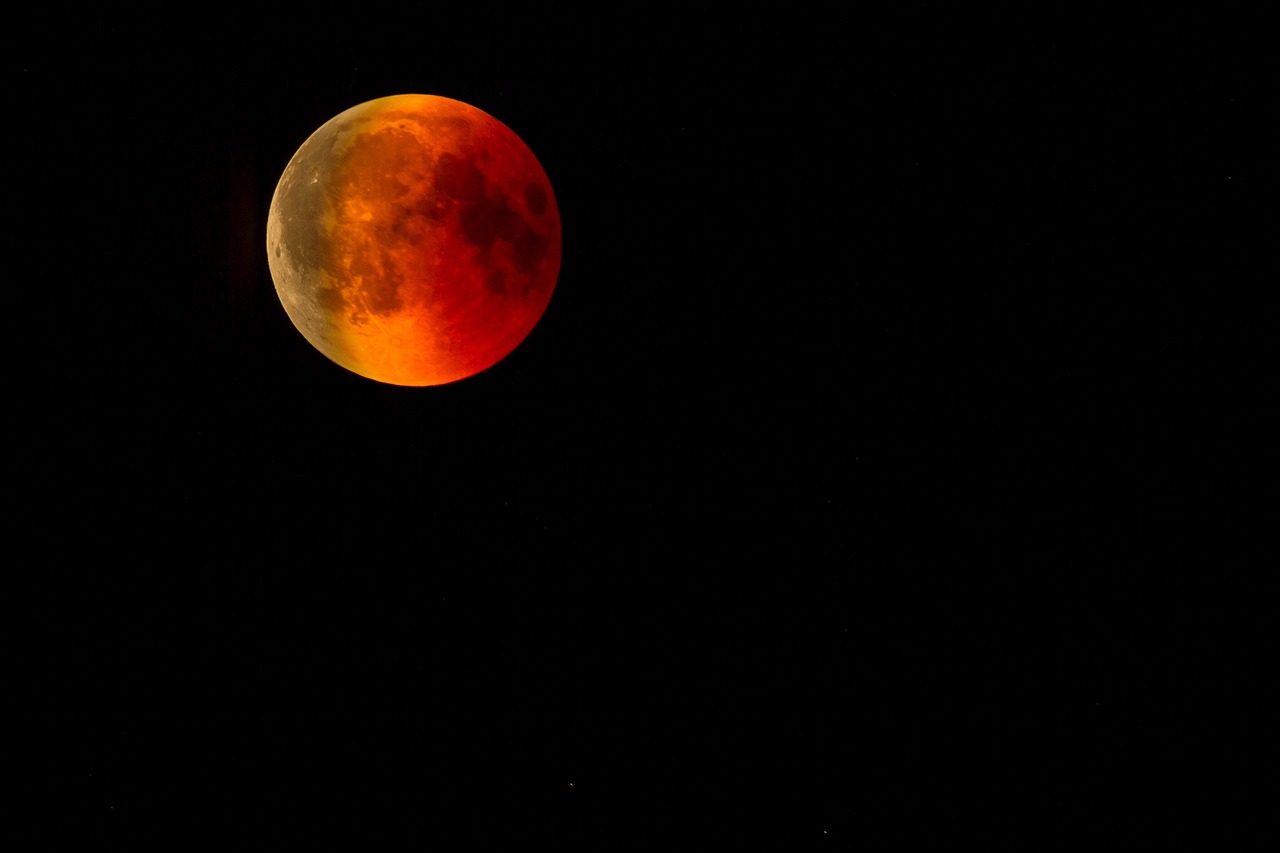
Hunter's Moon Lights Up the Autumn Sky Across the World
The full Hunter's Moon rose over many places on October 25 and 26, and photographers captured it in a range of scenes.
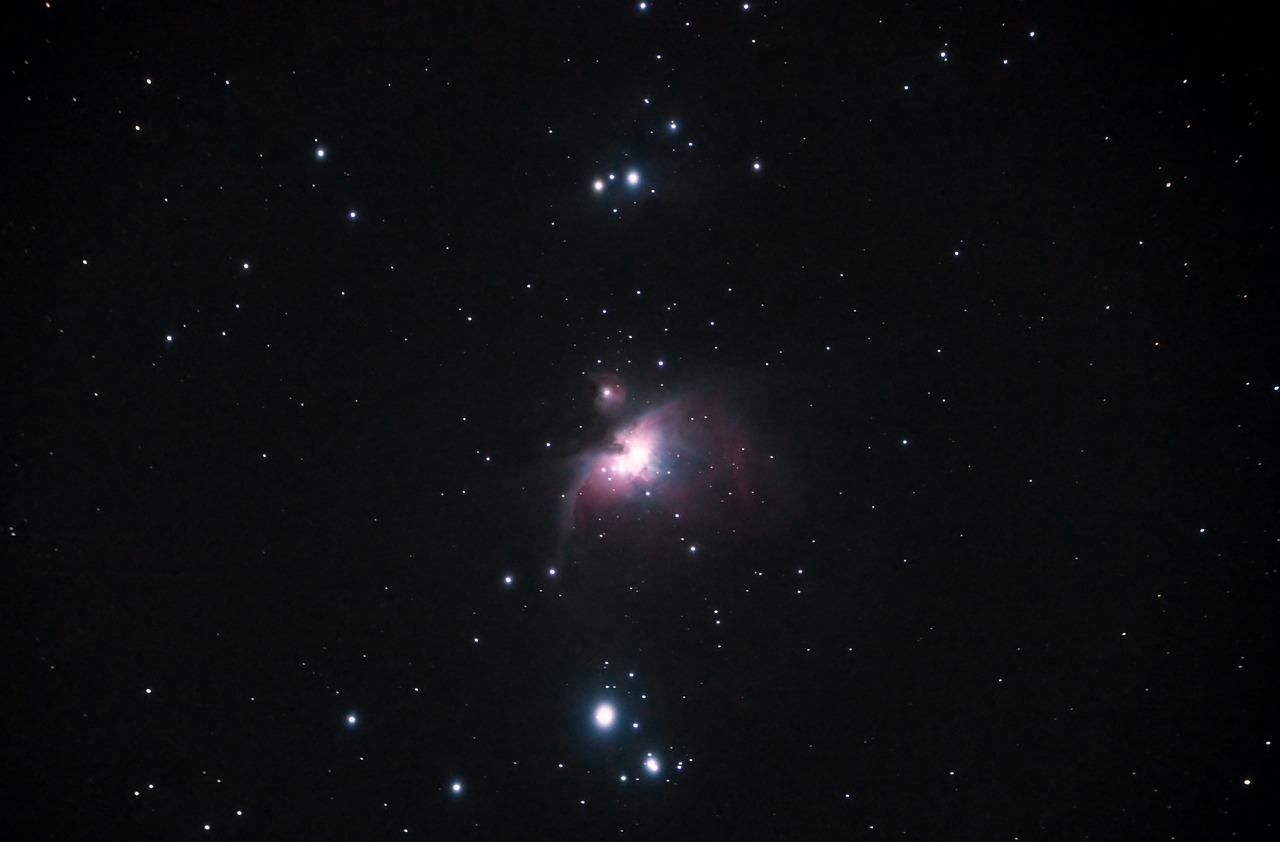
NASA Shares Facts About the Great Nebula in Orion
The Great Nebula in Orion is a huge, nearby region where new stars are born.