
NASA Shares Plans for Artemis III Moon Mission Crew and Rockets
NASA has described how its Artemis III mission will work, using three rockets and a four-person crew.
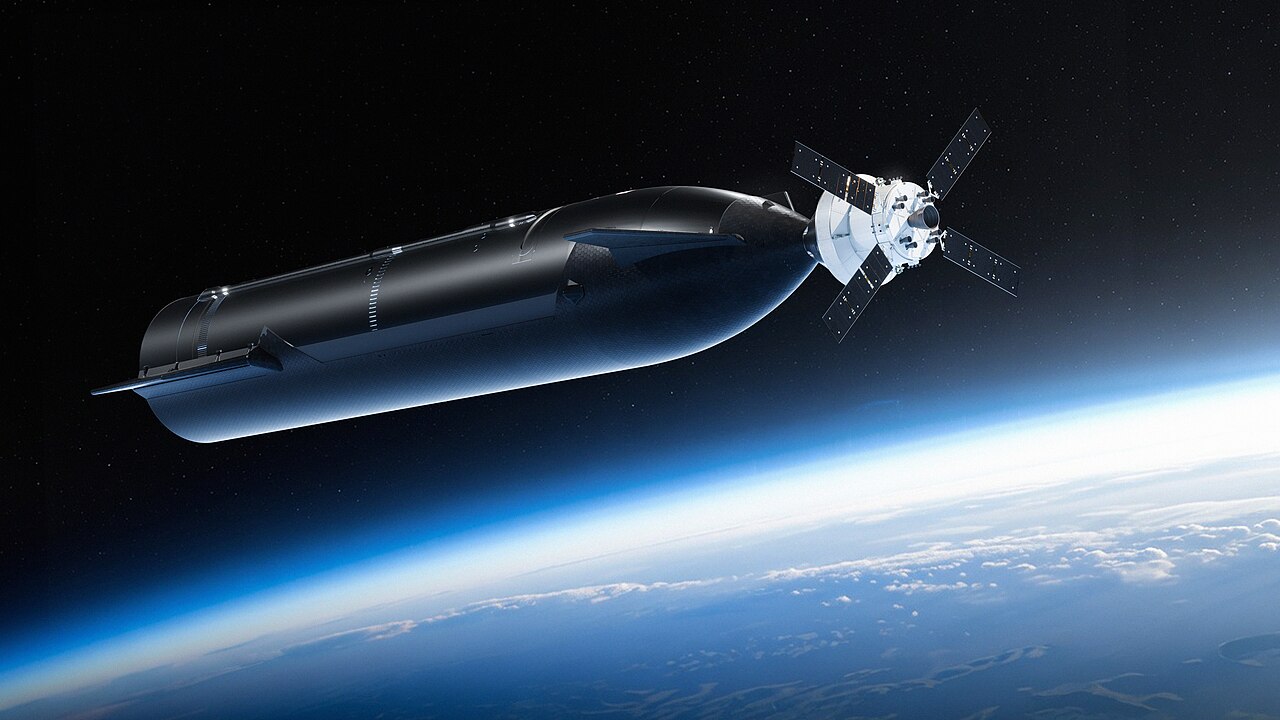
NASA gave a detailed plan for its Artemis III mission during a press conference at Kennedy Space Center on Oct. 23, according to Space.com. Jeremy Parsons, NASA's Artemis program manager, spoke about how the mission will work.
The mission will use three rockets: NASA's Space Launch System, SpaceX's Starship and Blue Origin's New Glenn. All three rockets will fly from Florida's Space Coast. New Glenn will carry Blue Origin's Blue Moon lunar lander to low Earth orbit.
The Artemis III crew is Randy Bresnik, Andre Douglas, Frank Rubio and Luca Parmitano. Parmitano is with the European Space Agency. The Space Launch System will launch the crew aboard NASA's Orion spacecraft.
Orion will first be placed into a highly elliptical orbit, which is a stretched-out path around Earth. It will then move into an orbit with an altitude of about 345 miles (555 km). The crew will spend two days checking Orion in low Earth orbit before meeting Blue Moon.
The Blue Moon meeting is planned for Flight Day 3 at an altitude of 273 miles (439 km). Starship will launch after Blue Moon operations, likely around Flight Day 6. Starship is expected to meet Orion on Flight Day 8 at an altitude of about 237 miles (381 km). The docking demonstration will last about two hours.
The nominal mission length is 14 days and could last up to 17 days. The mission will end with a parachute-aided splashdown in the ocean.
NASA is targeting summer of next year for the Artemis III launch. Last month, NASA Administrator Jared Isaacman said in an internal memo that Artemis III was about 90 days behind schedule. According to Parsons, some of the biggest challenges involved the supply chain for the lunar landers.
Artemis IV is planned to land astronauts near the moon's south pole in 2028.
More in Science

Study Traces Brain and Nerve Pathways Across Vertebrate Evolution
A new review by Dr. Martin Wessendorf and Daniel Wang looks at how key brain and nerve pathways developed across animal species.
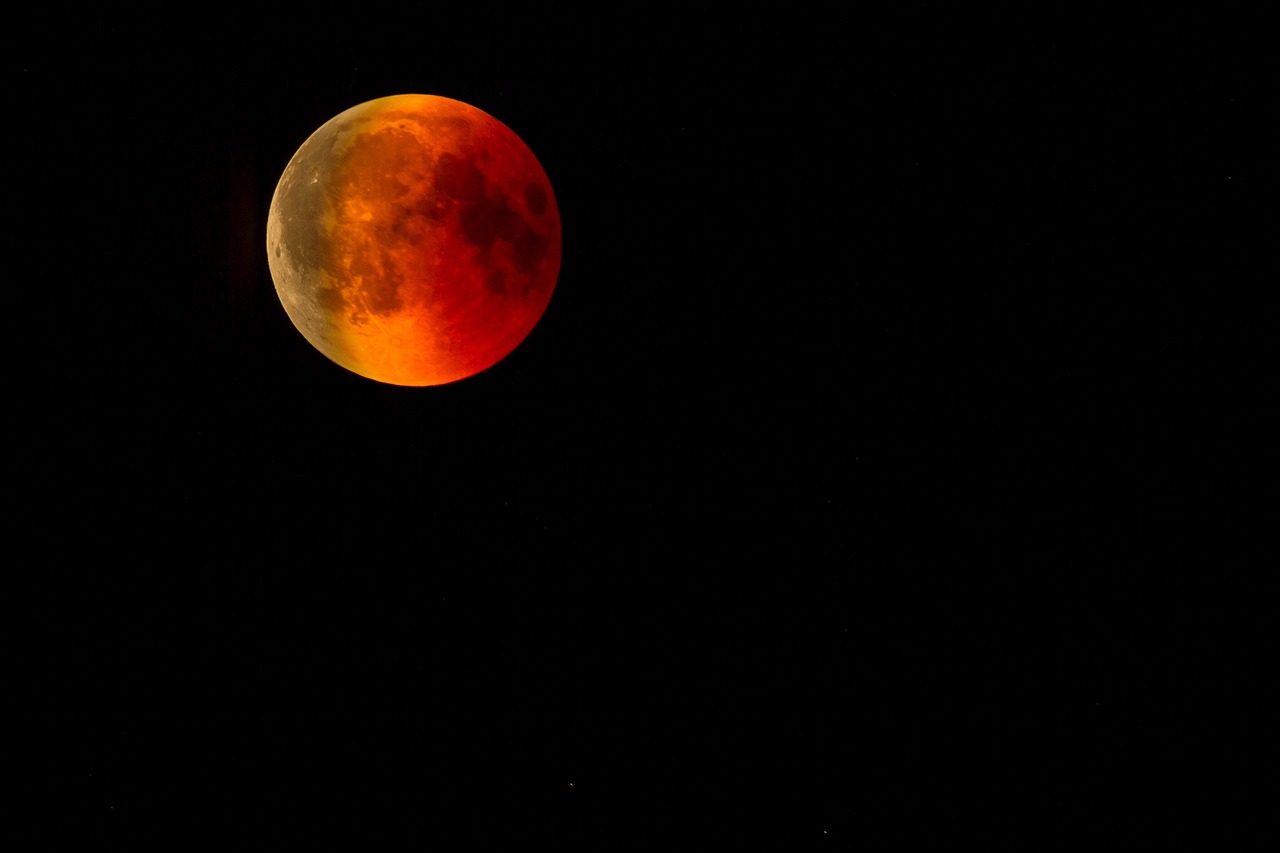
Hunter's Moon Lights Up the Autumn Sky Across the World
The full Hunter's Moon rose over many places on October 25 and 26, and photographers captured it in a range of scenes.
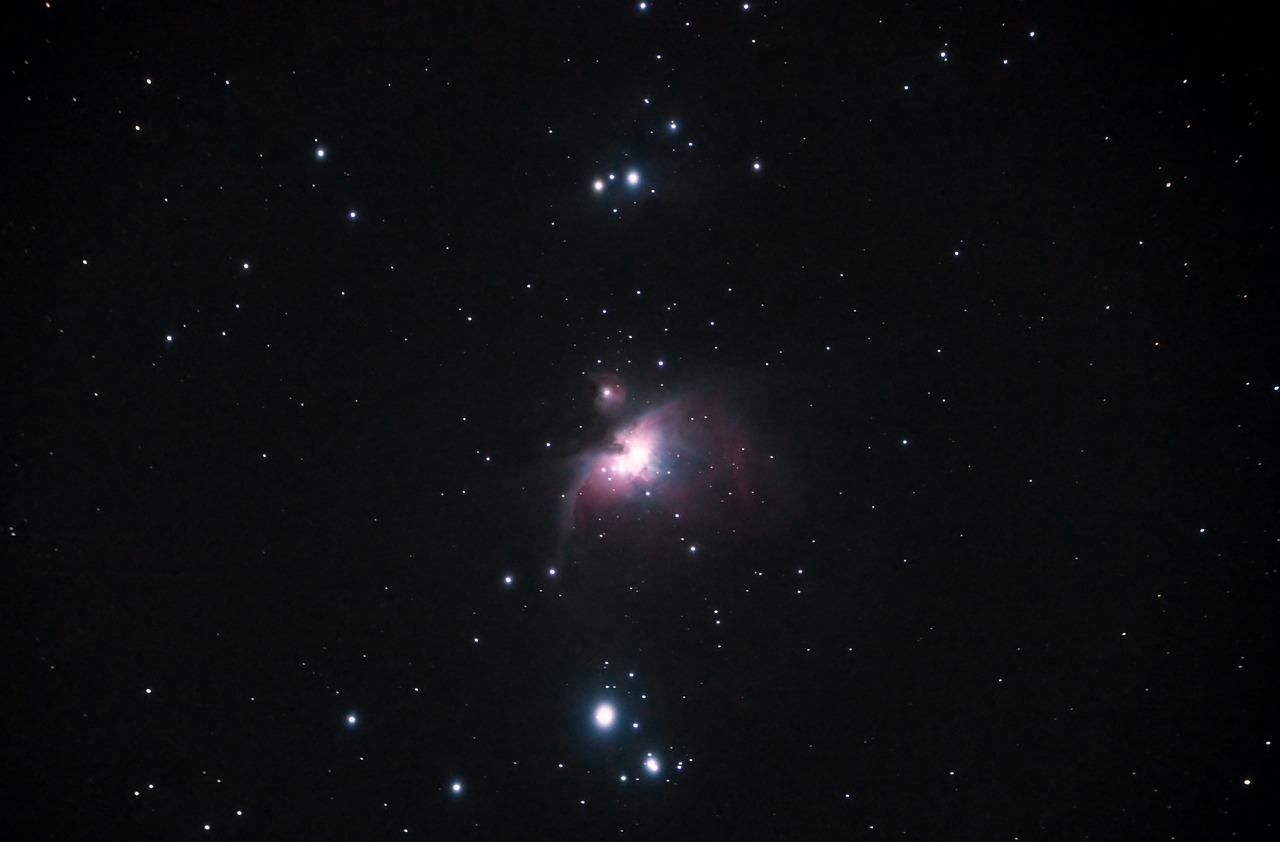
NASA Shares Facts About the Great Nebula in Orion
The Great Nebula in Orion is a huge, nearby region where new stars are born.