
Hopeful Visions for Three UK Landscapes Shared in New Report
A new report from the University of York and WWF uses local workshops and artwork to picture hopeful futures.
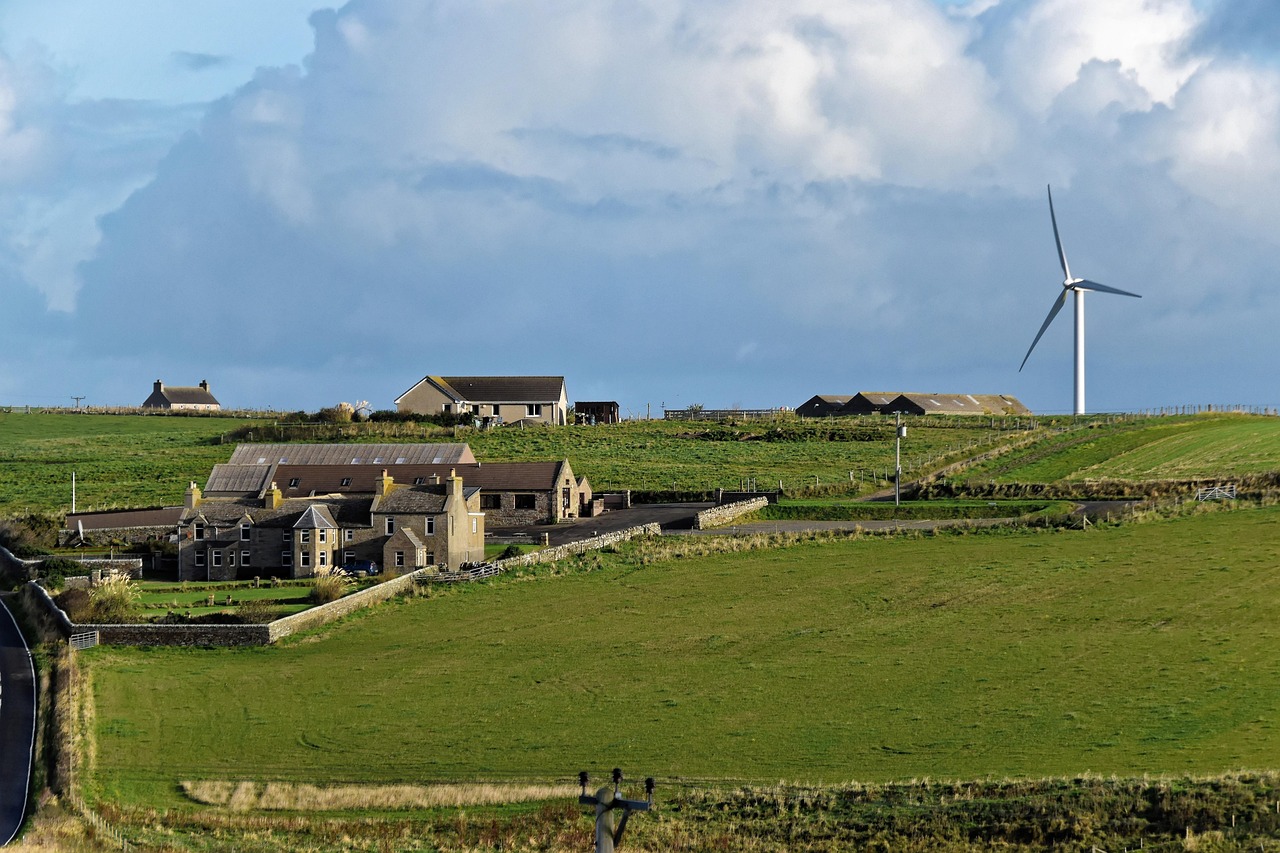
A new report called "The Good Anthropocene: The Science, Community and Art of Hope" has been published, according to Phys.org. It was co-authored by researchers from the University of York and WWF.
The report was produced by researchers at the Leverhulme Centre for Anthropocene Biodiversity in partnership with WWF. Lindsey Gillson is the director of the Leverhulme Centre for Anthropocene Biodiversity.
The report draws on workshops held with residents and partner organisations in WWF's three Wholescape areas. These areas are Pembrokeshire in Wales, Norfolk in England, and the Firth of Forth in Scotland. Participants were asked to imagine hopeful futures for their local landscapes.
In Pembrokeshire, residents imagined floating renewable energy generation and advanced environmental monitoring technology. Participants in Norfolk pictured climate-adapted buildings on higher ground and islands, in response to rising sea levels. Their visions also included vertical farming and sustainable seafood from restored marine habitats.
Communities around the Firth of Forth imagined re-established oyster reefs that could support lobster and herring fisheries. Stories from all of the workshops were brought to life through original artwork.
The Good Anthropocene project builds on the "2026 Living Planet Report," which focuses on the "Science of Hope." That report cites recovering populations of tigers, green sea turtles, and bluefin tuna as conservation successes. It also notes that solar power has become the cheapest source of new electricity in most countries. Global solar capacity is doubling every three years.
More in World
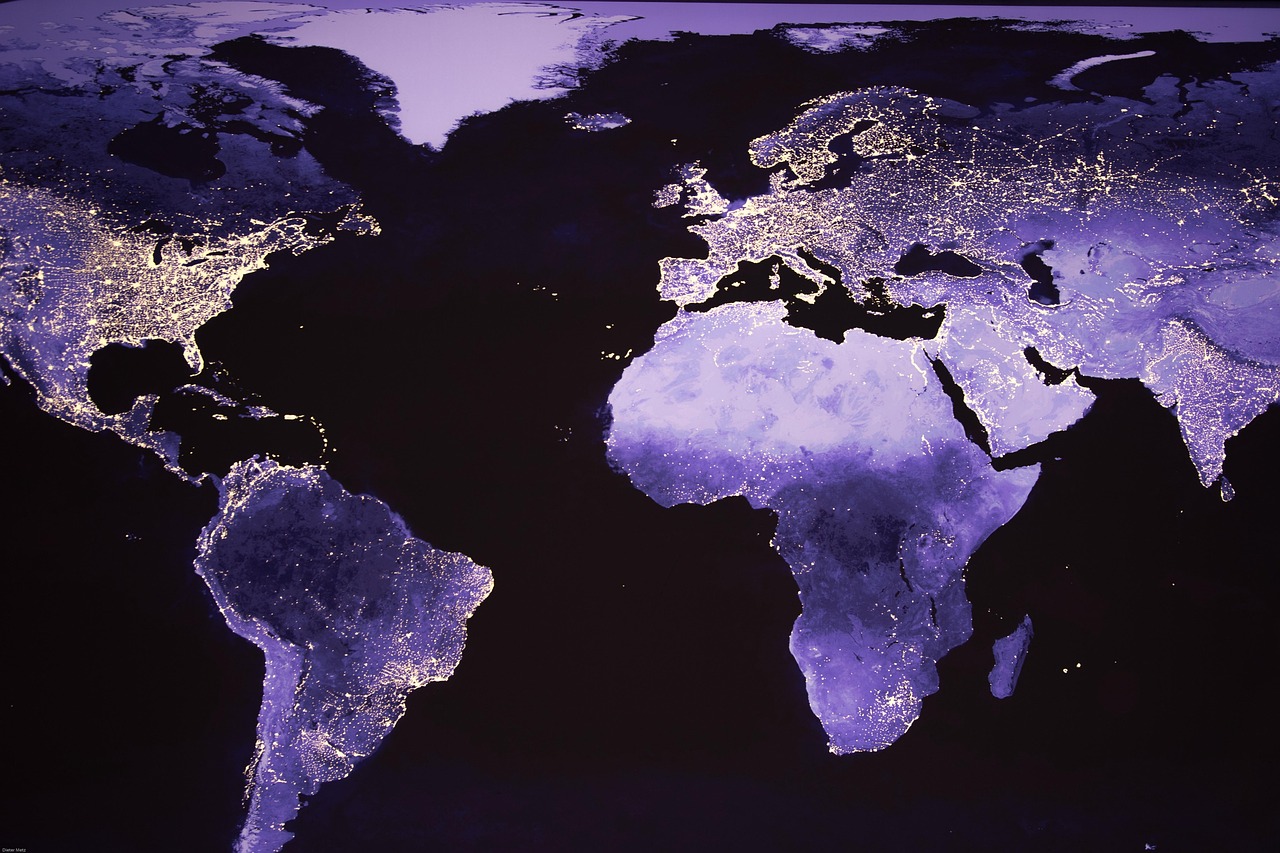
New Open Database Brings Together Satellite Data on Water Vapor
Researchers have built a free database that combines 24 years of satellite measurements of water isotopes in the air.
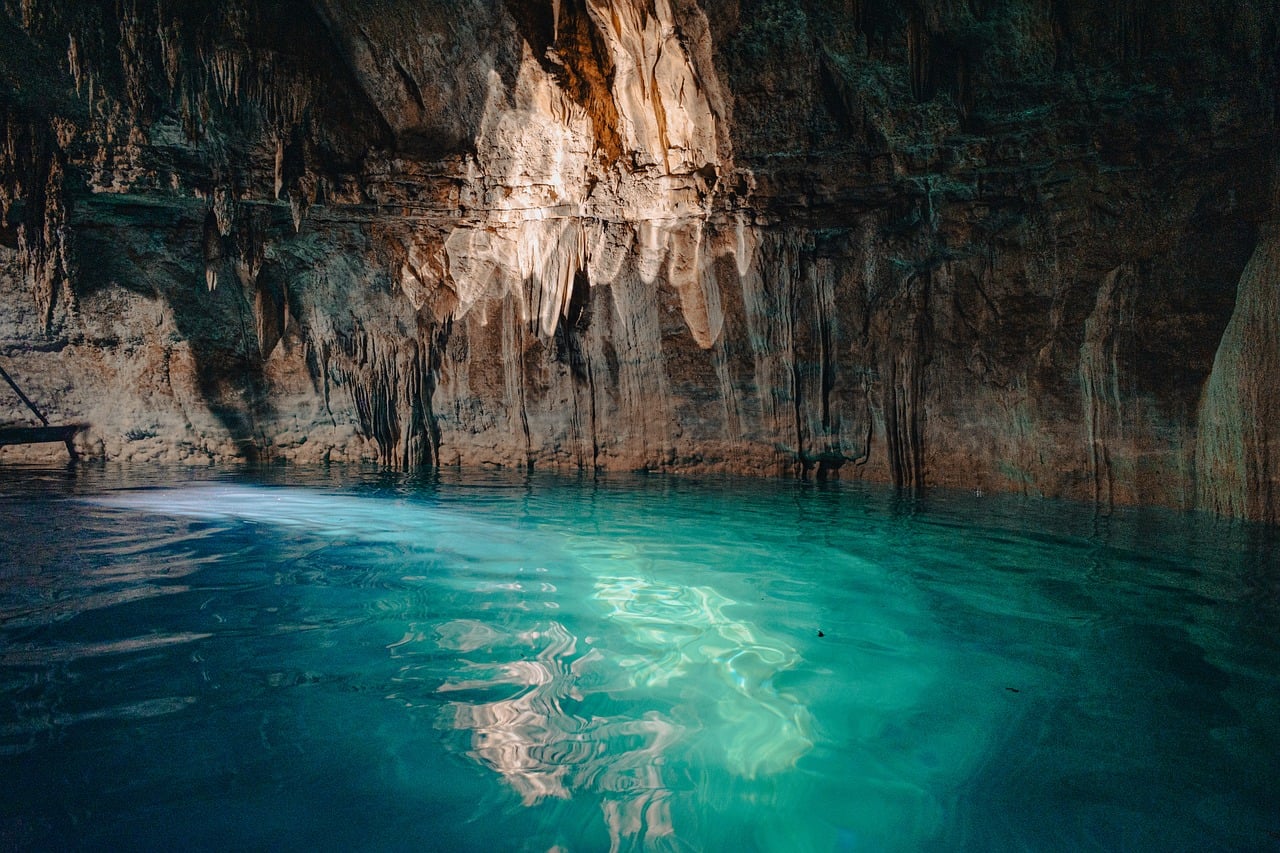
Groundwater Use Near Borders Needs Careful Attention, Study Finds
A global analysis of shared underground water sources looks at where pumping tends to happen and why location matters.
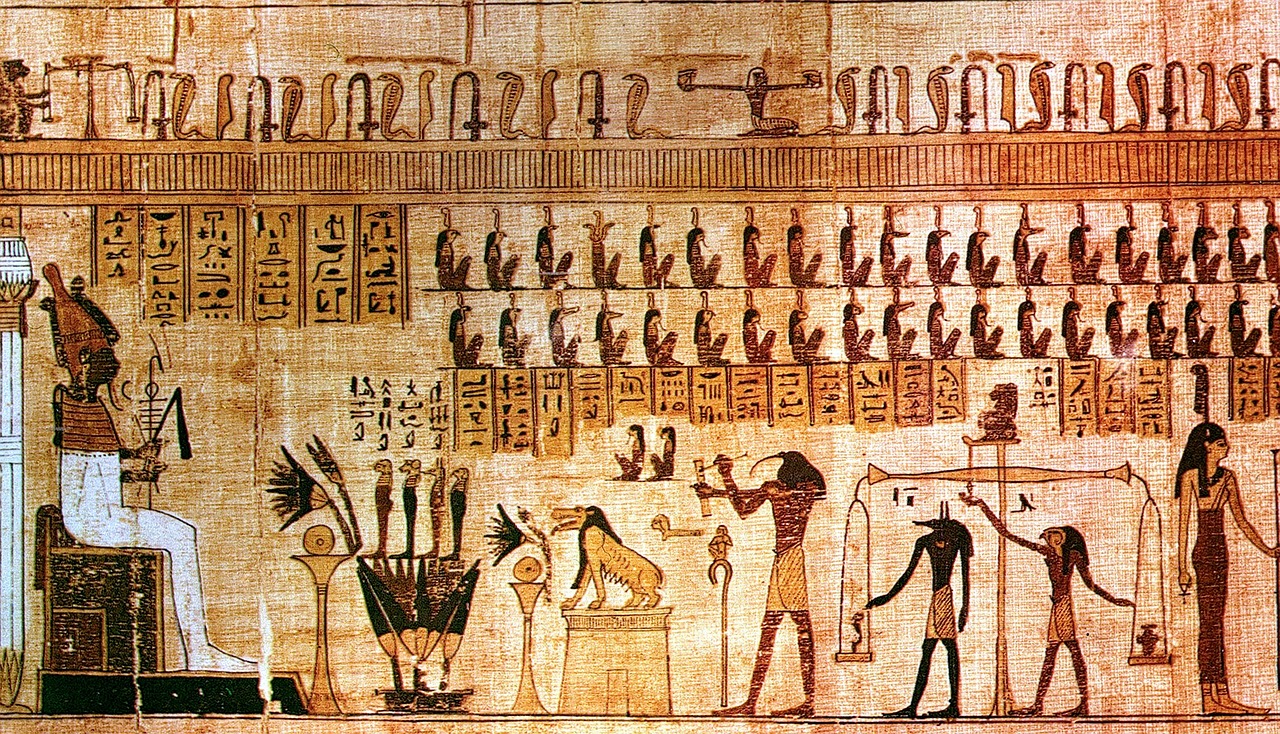
New Study Suggests Voynich Manuscript Pages Were Bound Incorrectly
Researchers say the mysterious 15th-century book may have been meant to be read in a different order than it is now.