
Groundwater Use Near Borders Needs Careful Attention, Study Finds
A global analysis of shared underground water sources looks at where pumping tends to happen and why location matters.
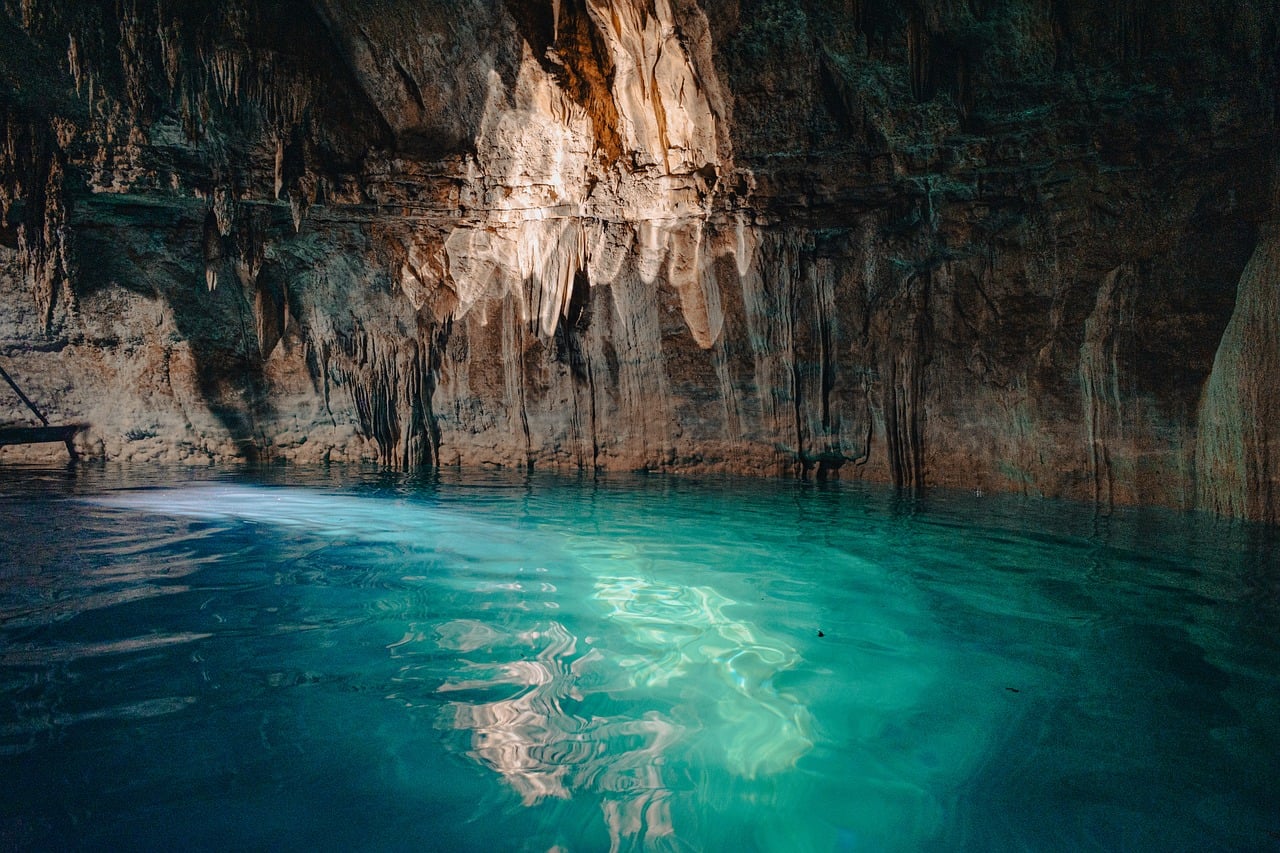
Groundwater is water held underground in layers of rock and soil, called aquifers. Some aquifers stretch across national borders. These are known as transboundary aquifers. A new global study looks at how groundwater is used in these shared sources.
According to Phys.org, the analysis was published in the Proceedings of the National Academy of Sciences. It found that groundwater depletion (the lowering of the amount of water available) and irrigation that depends on groundwater tend to be concentrated close to international borders within transboundary aquifers.
The study also found that, on average, groundwater depletion is no greater in transboundary aquifers than in comparable domestic aquifers. Pumping, which means drawing water up from underground, lowers groundwater levels most strongly near the well. The effects become weaker with distance.
Researchers also noted that being close to a border alone does not show that one country's pumping changes groundwater levels in another country. Under a potential irrigation scenario, the number of pairs with agriculture spread across the border region is expected to rise from 125 to 211. Border Locked pairs are expected to rise from 40 to 87 under the same scenario.
The United Nations University Institute for Water, Environment and Health published a policy brief titled 'Why Groundwater Use Location Matters in Transboundary Aquifers.' Dr. Marc F. Müller, associate research professor for water cooperation and conflicts at UNU-INWEH, is the lead author of the brief.
Some countries already work together on shared groundwater. Jordan and Saudi Arabia have established protected and management areas for the Al-Sag/Al-Disi aquifer. France and Switzerland have long coordinated management of the Genevois aquifer.
The U.N. 2026 Water Conference is scheduled for December.
More in World
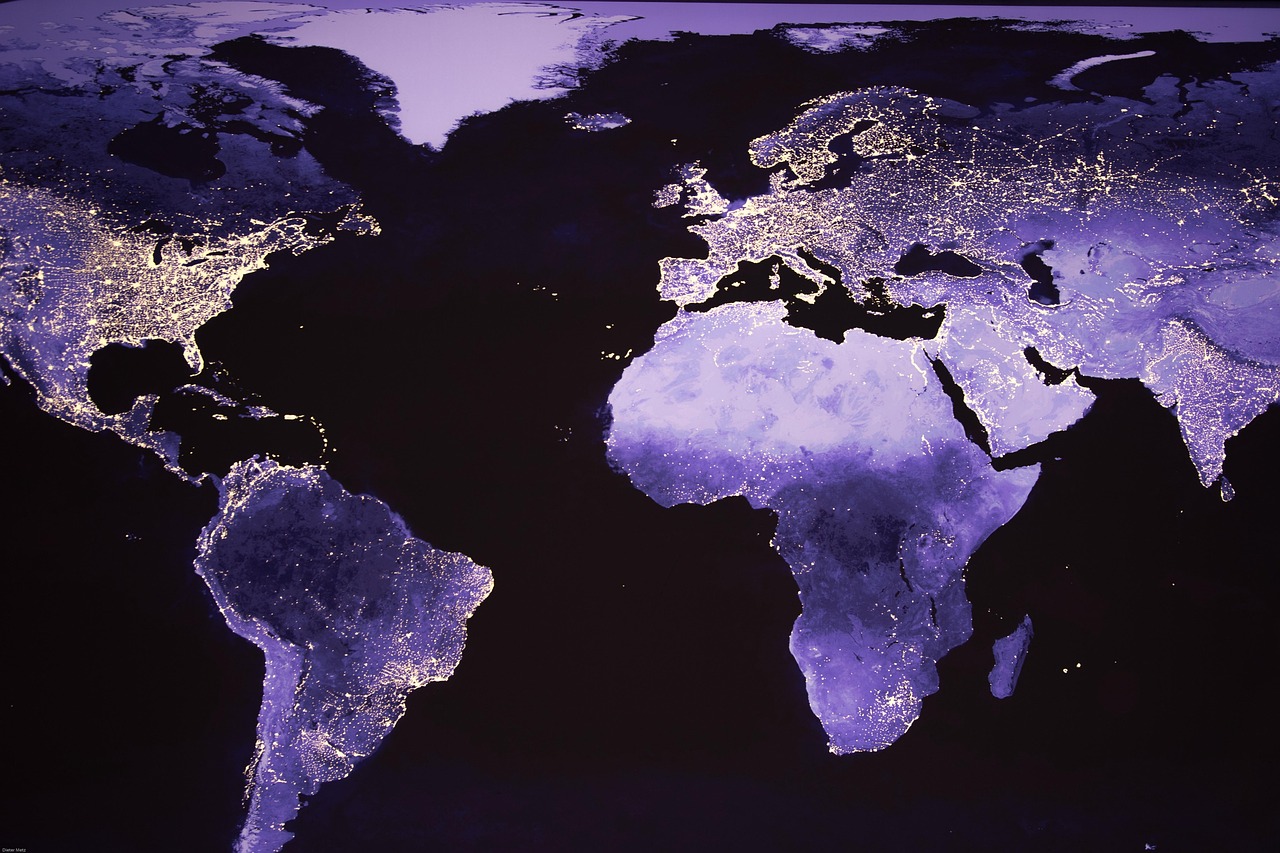
New Open Database Brings Together Satellite Data on Water Vapor
Researchers have built a free database that combines 24 years of satellite measurements of water isotopes in the air.
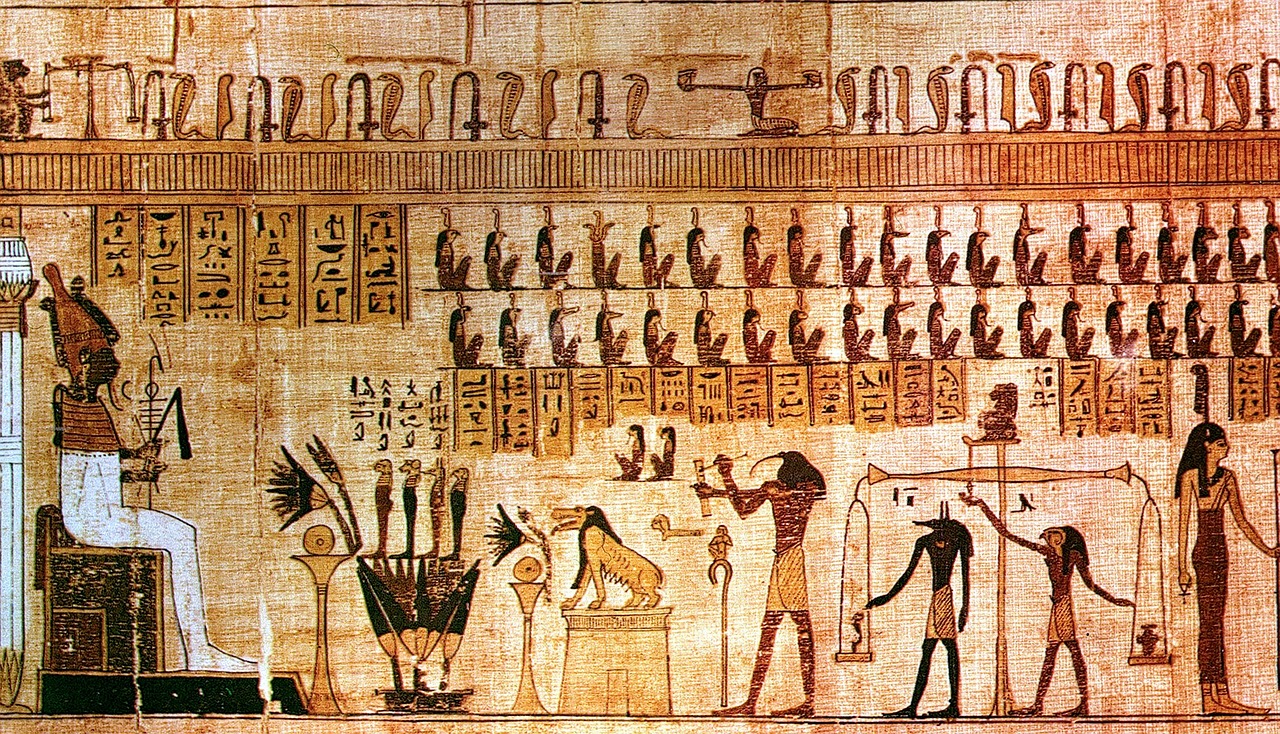
New Study Suggests Voynich Manuscript Pages Were Bound Incorrectly
Researchers say the mysterious 15th-century book may have been meant to be read in a different order than it is now.
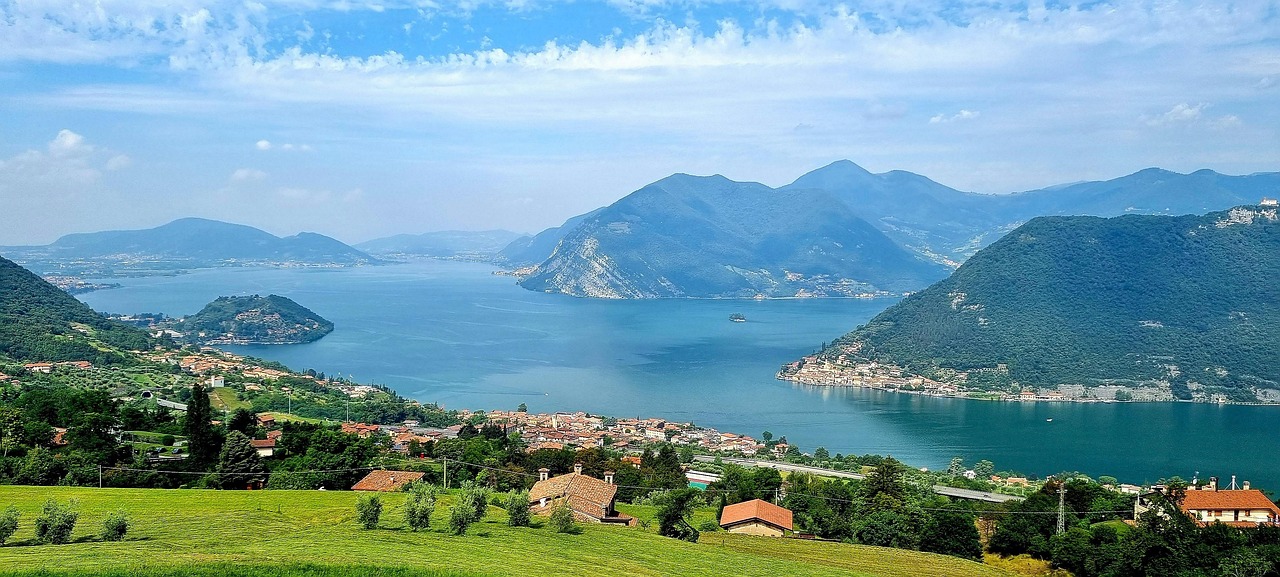
Earthquakes Caused Huge Waves on an Italian Lake Long Ago
New research using old records and computer simulations looks at how earthquakes once triggered deadly waves at Lake Iseo in northern Italy.