
New Study Suggests Voynich Manuscript Pages Were Bound Incorrectly
Researchers say the mysterious 15th-century book may have been meant to be read in a different order than it is now.
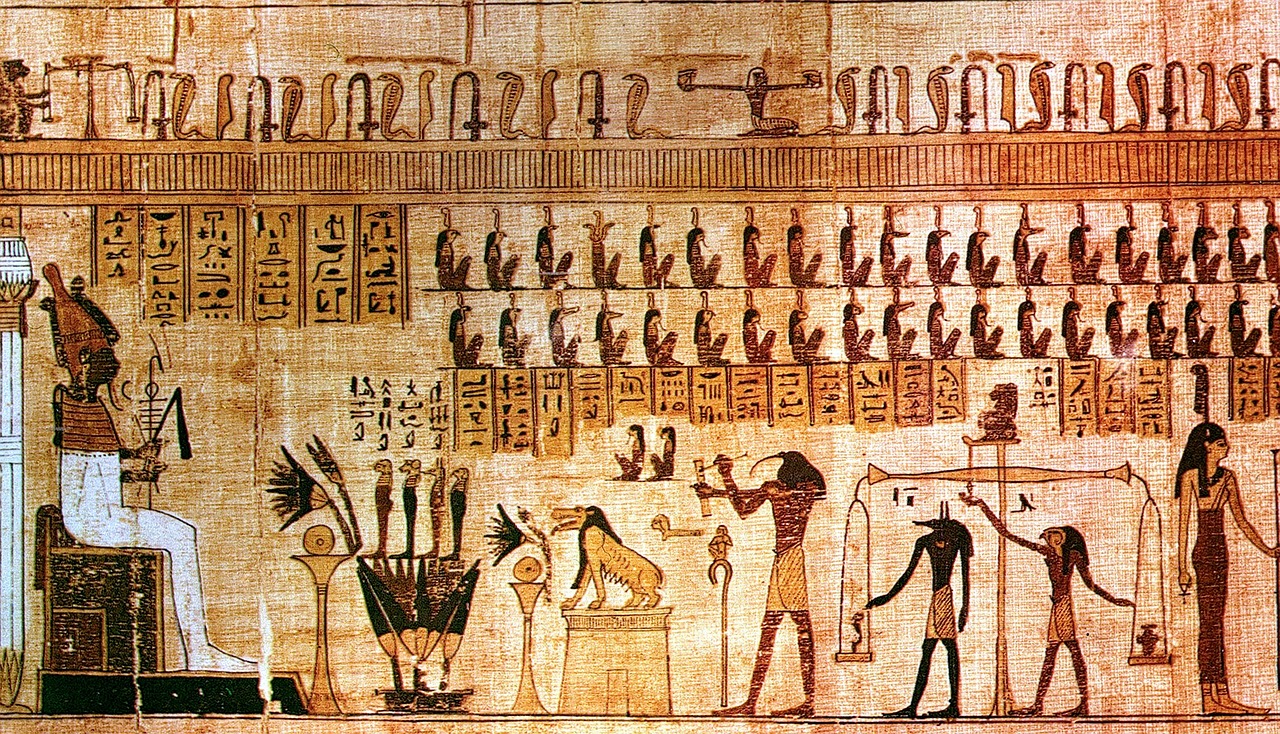
The Voynich Manuscript is a mysterious old book that is kept at Yale University's Beinecke Rare Book and Manuscript Library. It is likely from 16th-century Europe, though its vellum pages (thin, treated animal skin used for writing) have been carbon-dated to the early 1400s. The book has 240 pages, and no one has successfully deciphered its script, which is the writing system used in it.
The manuscript has a long history of owners. According to Smithsonian, its earliest recorded owner lived in Germany in the late 1500s. Wilfrid Voynich purchased the manuscript from a Jesuit college in Italy in 1912, and Yale acquired it in 1969.
A study published in the journal Digital Medievalist claims there is strong evidence that the manuscript's pages are incorrectly bound. Right now, the manuscript is bound as a quire, which is a group of folded sheets sewn together. The study suggests the book was originally a collection of individual bifolia, which are sheets folded in half, and that these were meant to be read in sequence.
Lisa Fagin Davis, the executive director of the Medieval Academy of America, has studied the book's writing. In 2020, she concluded that five different scribes (people who copy text by hand) created the text. Davis and Colin Layfield, an information scientist at the University of Malta, later applied latent semantic analysis, a method for studying the meaning of words in a text, to the writing. The analysis found that pages alternate irregularly between the scribes' penmanship.
Some illustrations in the manuscript also go off the page and continue on the other side after several pages in between. Davis believes the manuscript was made by a community that wanted to pass its knowledge forward. Some of the illustrations suggest the content relates to female sexuality and reproduction.
About this story
Source: Smithsonian. Spotted a mistake? Tell us.
More in World
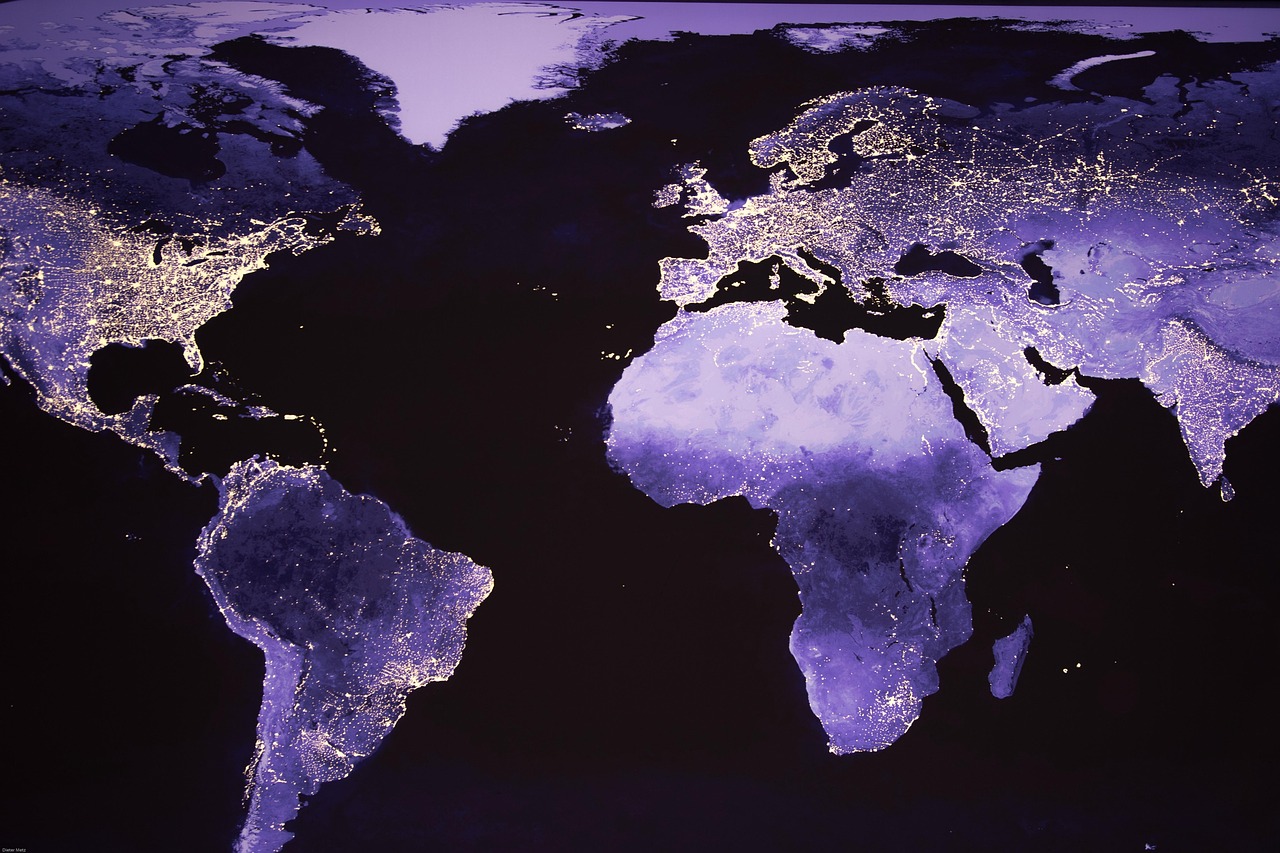
New Open Database Brings Together Satellite Data on Water Vapor
Researchers have built a free database that combines 24 years of satellite measurements of water isotopes in the air.

Groundwater Use Near Borders Needs Careful Attention, Study Finds
A global analysis of shared underground water sources looks at where pumping tends to happen and why location matters.
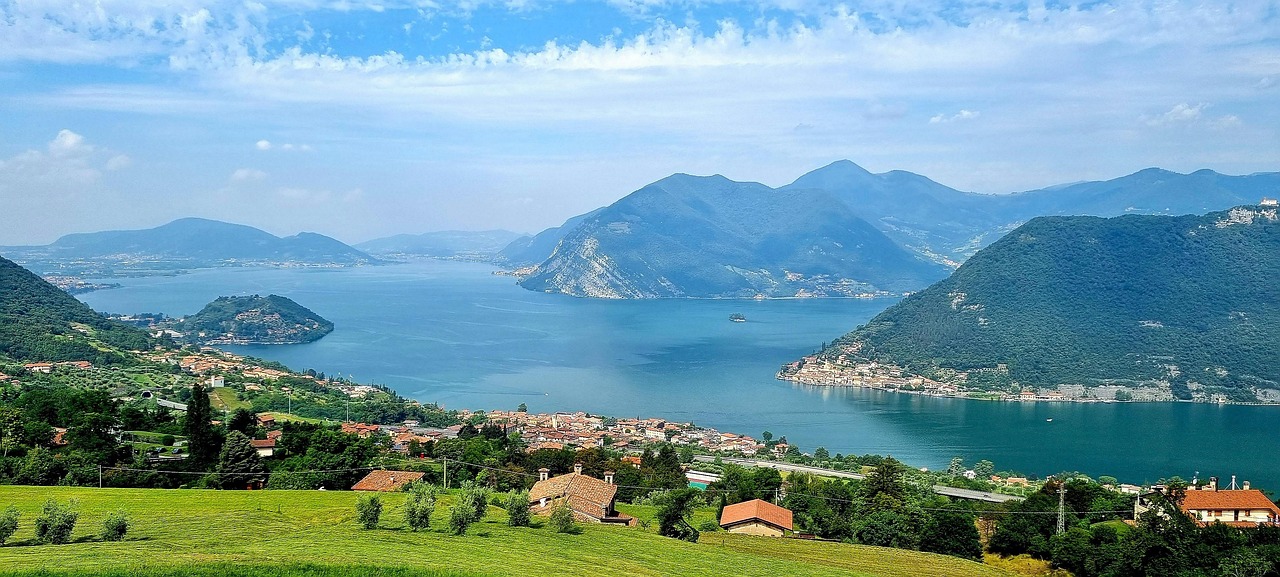
Earthquakes Caused Huge Waves on an Italian Lake Long Ago
New research using old records and computer simulations looks at how earthquakes once triggered deadly waves at Lake Iseo in northern Italy.