
New Open Database Brings Together Satellite Data on Water Vapor
Researchers have built a free database that combines 24 years of satellite measurements of water isotopes in the air.
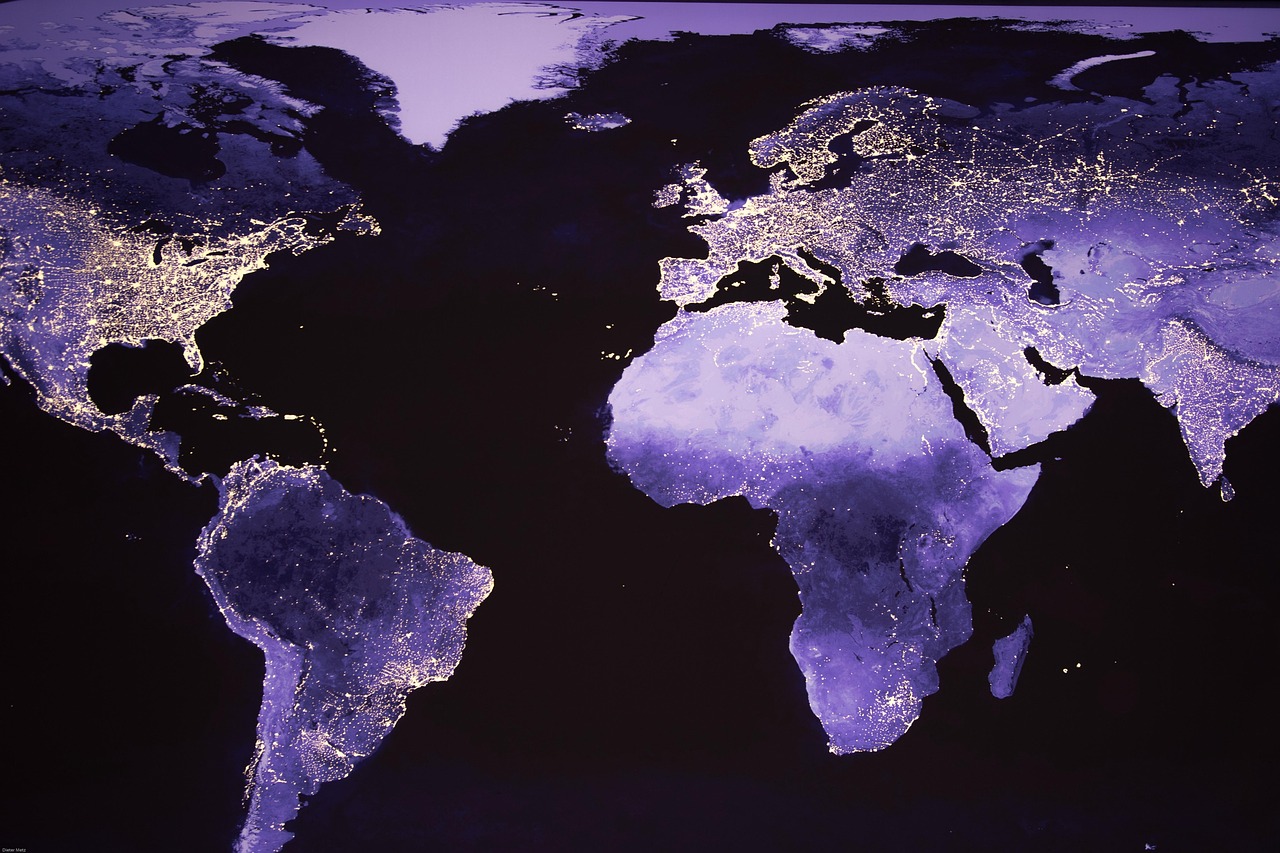
Water is made of tiny molecules, and some of these molecules come in slightly different forms called isotopes (versions of an element with different masses). Scientists can learn a lot from these forms, because the ratio of heavy to light water isotopes is unique to where the water came from and what it has been through.
Since 2002, eight different satellite missions have measured the isotopes of water vapor around the planet. These missions collect data that can be useful for studying the water cycle, but the information does not always look the same. Satellite missions can produce data sets that differ in type, even when they measure the same thing.
This difference can make the work difficult. According to Phys.org, combining data from two satellites could require a year of cleaning and comparing data sets before scientists can analyze them. This slow process can hold back research that depends on bringing different sources together.
To help solve this problem, Mampi Sarkar, a research scientist at Rice University, worked with experts in the U.S. (NASA), Europe and Japan. Sylvia Dee, an associate professor of earth, environmental and planetary sciences at Rice, is also part of this research. Together, the team created an open database.
The open database is called WISO-SAT, and it was published in Scientific Data. WISO-SAT collected, standardized and cleaned satellite data produced over the past 24 years. The data in the database is gridded and standardized, which means it is arranged in a consistent way that makes it easier to compare.
The pipeline used to standardize the data is publicly available as part of the data set. The paper describing the work was published in Scientific Data in 2026, and it has the DOI 10.1038/s41597-026-08218-8.
More in World
Groundwater Use Near Borders Needs Careful Attention, Study Finds
A global analysis of shared underground water sources looks at where pumping tends to happen and why location matters.
New Study Suggests Voynich Manuscript Pages Were Bound Incorrectly
Researchers say the mysterious 15th-century book may have been meant to be read in a different order than it is now.
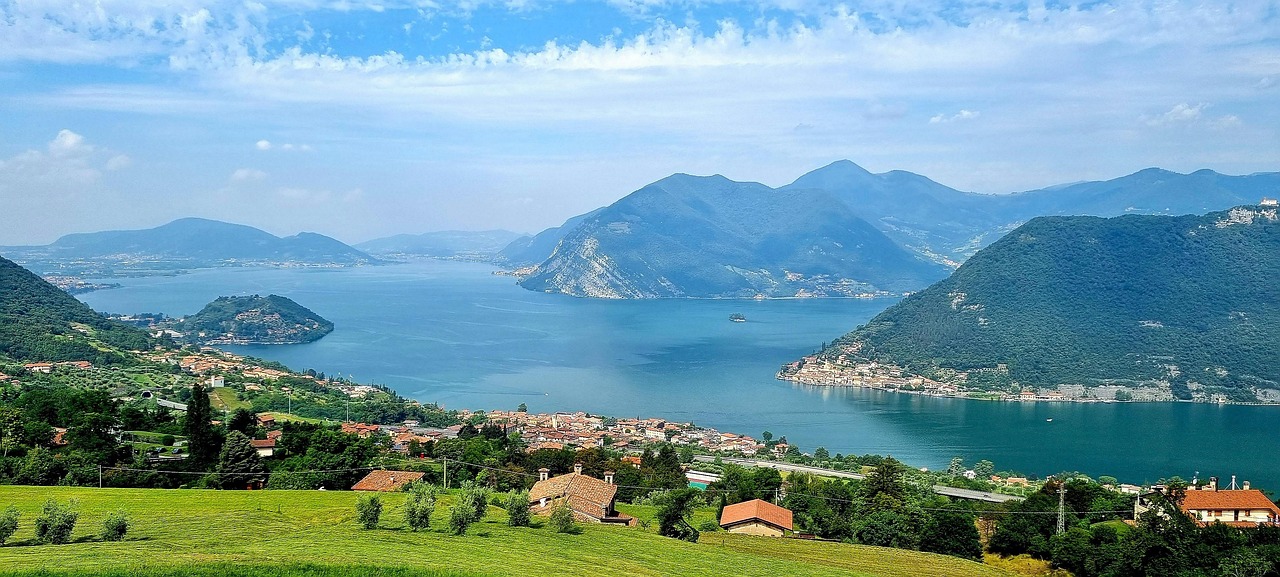
Earthquakes Caused Huge Waves on an Italian Lake Long Ago
New research using old records and computer simulations looks at how earthquakes once triggered deadly waves at Lake Iseo in northern Italy.