
Ants Can Change Their Antenna Size Independently of Body Size
A University of Ottawa study found that ants can grow antennae that do not match their head and body size as they develop into different castes.
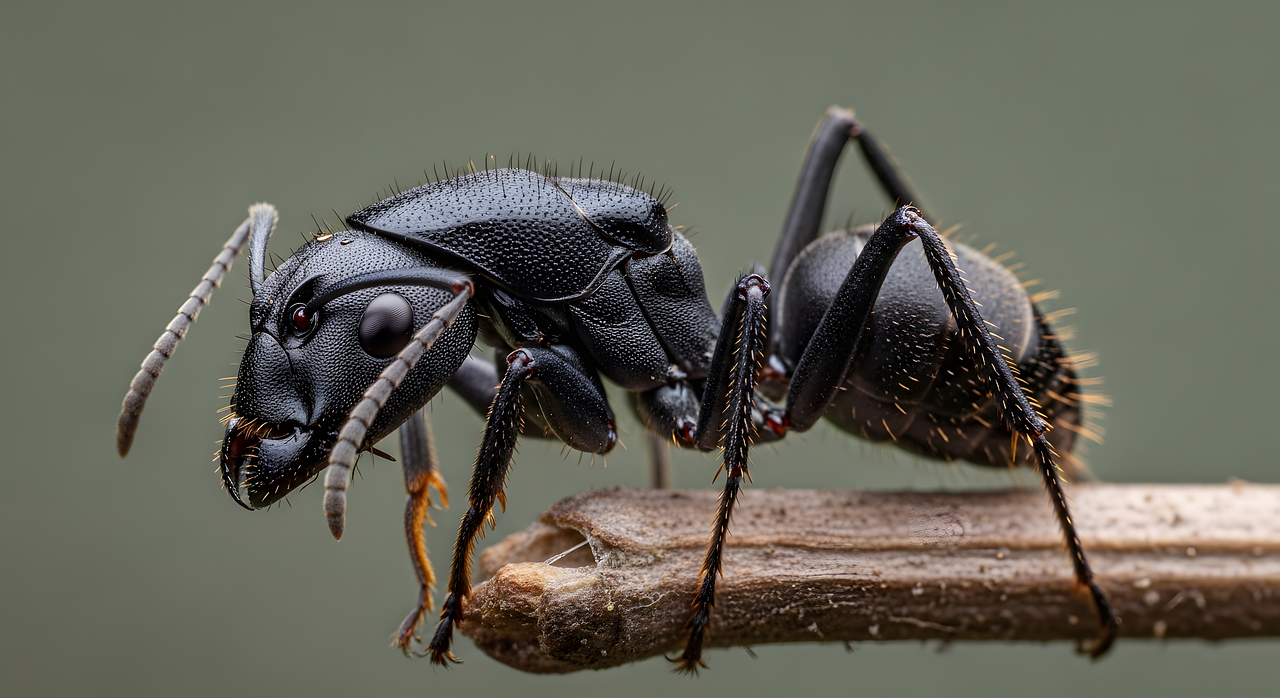
Researchers from the Eco-Evo-Devo lab at the University of Ottawa have found that ants can separate antenna size from head and body size as they grow into different social castes, according to Phys.org.
The study was led by Erica Vong, a graduate researcher and student at uOttawa and the lead author. Rajendhran Rajakumar, an associate professor in the Department of Biology at uOttawa's Faculty of Science, also worked on the research. The findings were published in Proceedings of the National Academy of Sciences under the title "Breaking trait scaling via the evolution and regulation of dimorphic decoupling in ants."
The team studied Pheidole, a very diverse group of ants. Pheidole colonies include small workers and much larger soldiers. The researchers measured 565 Pheidole species.
In these ants, worker and soldier antenna sizes overlap completely across castes. This means that the antennae of a small worker and a large soldier can be the same size, even though their heads and bodies are very different.
The unusual antennal pattern may have started near the common ancestor of Pheidole and Cephalotes turtle ants, according to the study.
The researchers also ran experiments on Pheidole dentata. They found that this flexibility is controlled by the social environment, juvenile hormone (a chemical that helps guide growth in insects) and an allometry-regulating organ (a body part that controls how different body parts grow relative to each other). By changing these factors, the team produced new types of ants they called "nanoworkers" and "nanosoldiers."
The study concludes that social signals and hormones can change how traits grow and scale together.
More in Animals
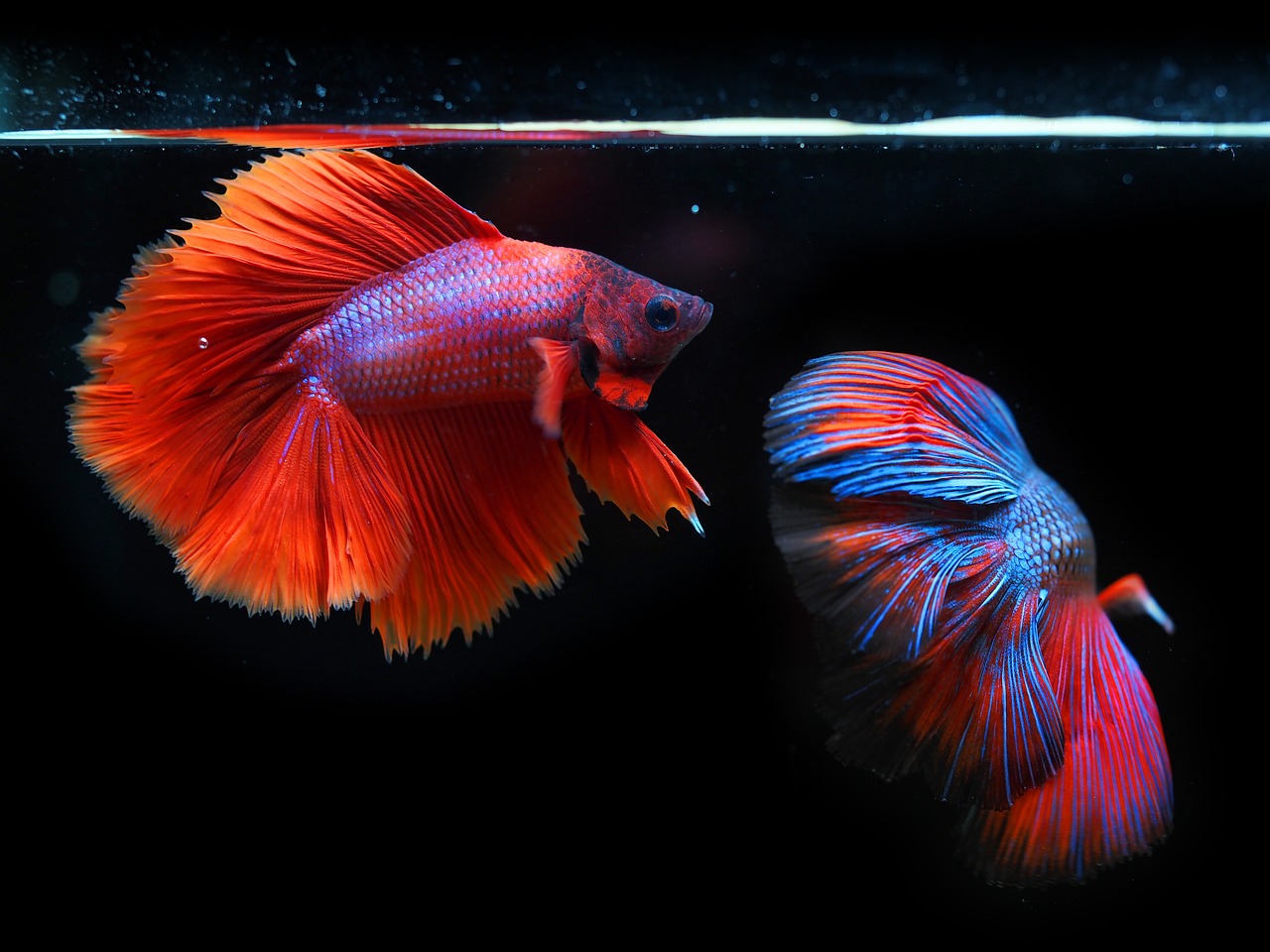
Fish Helpers Guard Their Family Groups, Study Finds
Researchers found that a freshwater fish from Southeast Asia shows early signs of cooperative breeding, in which helpers other than the parents join in.
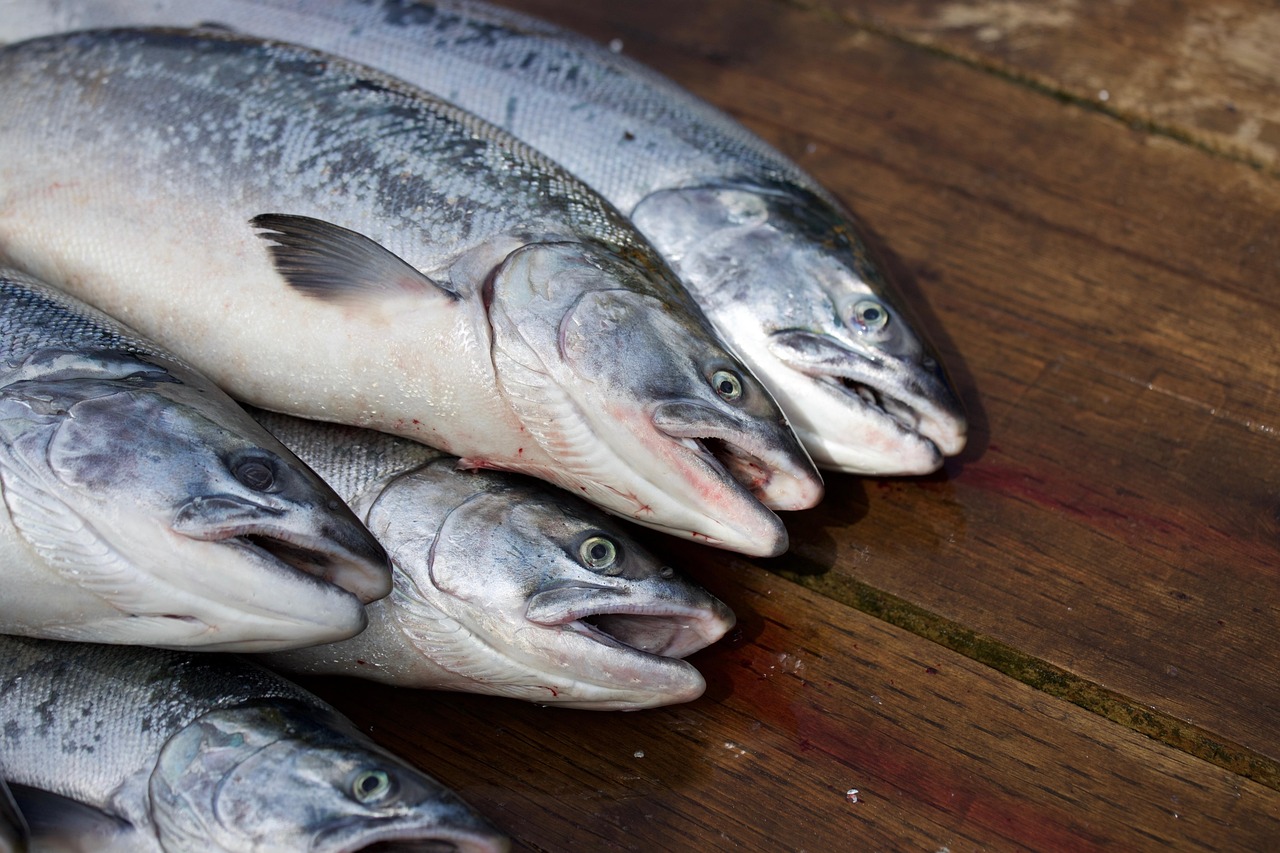
New Study Looks Closely at Atlantic Salmon Farms in British Columbia
Scientists examined salmon farms over more than a year and found signs of a heart and muscle illness on most of them.
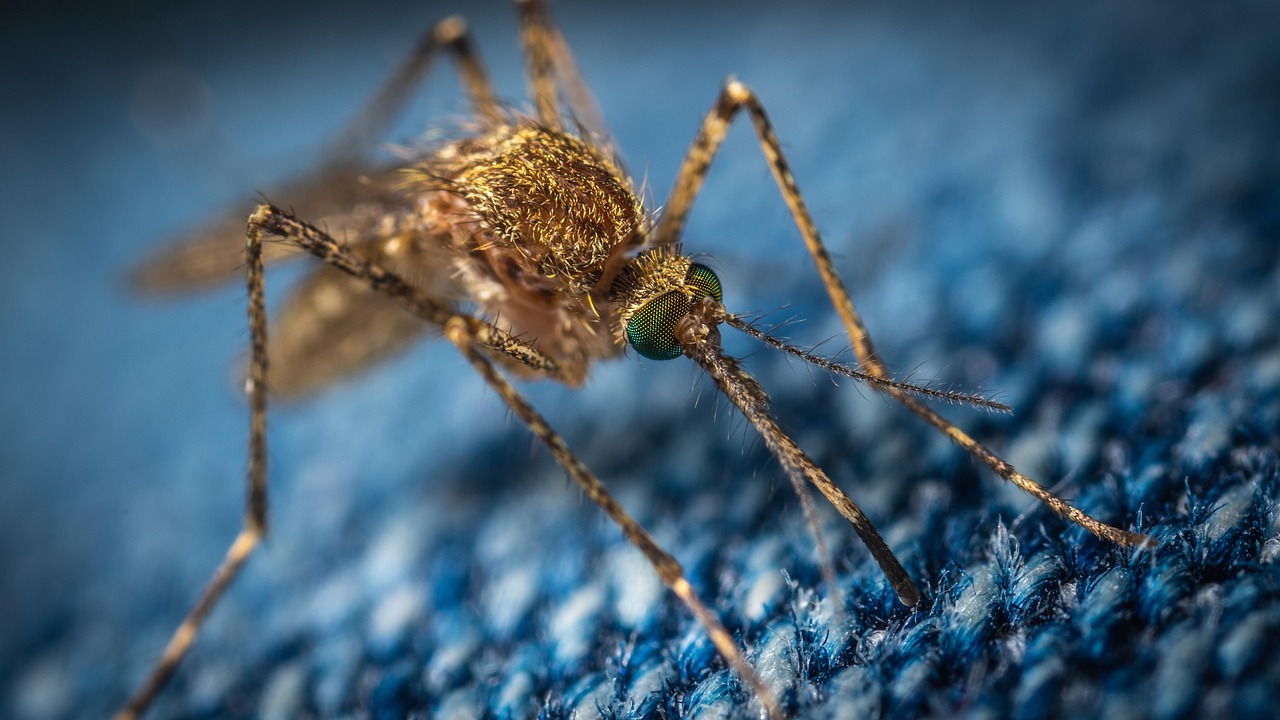
New Study Reveals How Mosquitoes Find Blood to Bite
Researchers at Johns Hopkins University used video and electrical recordings to track the stages of a mosquito bite.