
New Study Reveals How Mosquitoes Find Blood to Bite
Researchers at Johns Hopkins University used video and electrical recordings to track the stages of a mosquito bite.
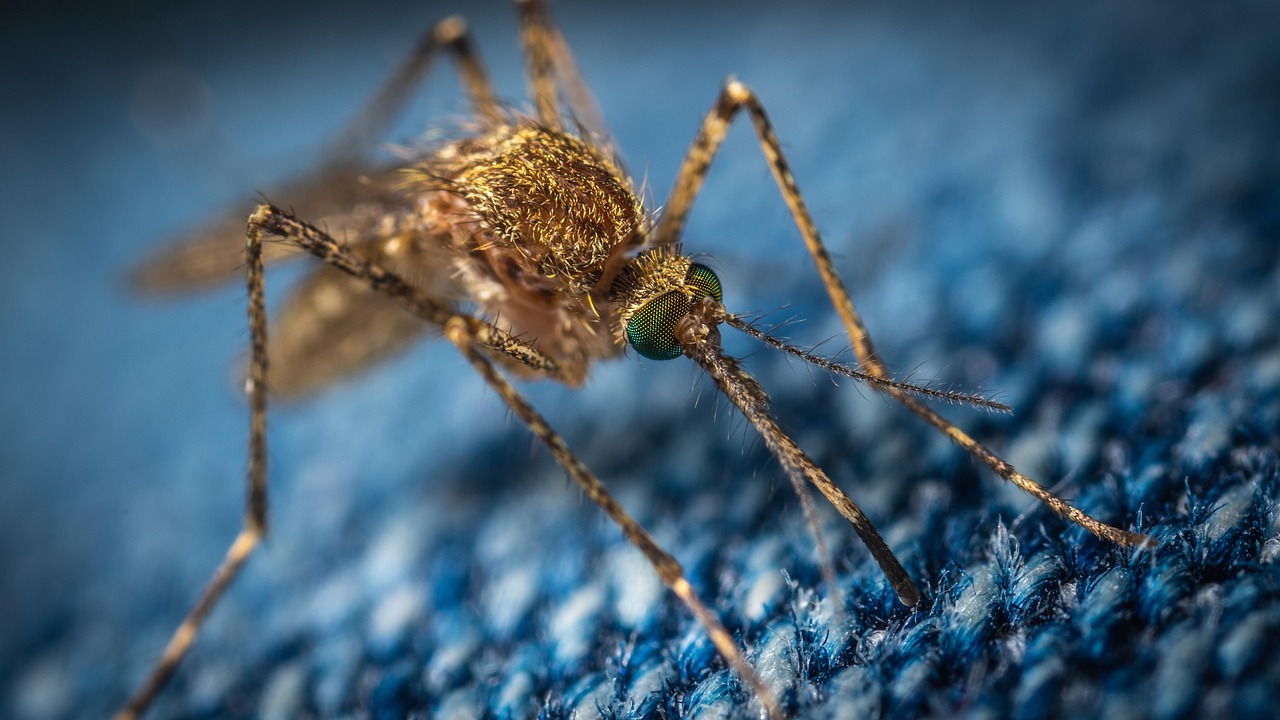
Female mosquitoes need blood to produce eggs, and a new study has looked closely at how they bite. According to Phys.org, the research was covered in a report dated October 22, 2026.
Researchers from Johns Hopkins University carried out a series of experiments on mosquito bite behavior. Their study was published in Science Advances. The team studied Anopheles coluzzii female mosquitoes, which are known for carrying malaria.
To follow the bites, the researchers used high-speed video, automated body tracking, and electrical recordings. The electrical recordings showed five stages of a bite: piercing, searching for blood vessels, blood intake, mouthpart retraction, and final withdrawal. During blood intake, the mosquito's body stayed motionless.
The team also compared the two species. An. coluzzii found blood vessels around 17 seconds faster than Aedes aegypti. The overall bites lasted 160 seconds in Anopheles and 165 seconds in Aedes.
The researchers noted that the two species diverged around 150 million years ago. They also tested genes in the mosquitoes. Disabling the IR76b gene strongly reduced biting initiation and feeding success in An. coluzzii, while disabling the orco gene had milder effects.
Aedes aegypti is the species responsible for dengue transmission. The study points to several areas for future work. Future studies should include more human volunteers, mosquito strains, and environmental conditions.
More in Animals

Fish Helpers Guard Their Family Groups, Study Finds
Researchers found that a freshwater fish from Southeast Asia shows early signs of cooperative breeding, in which helpers other than the parents join in.
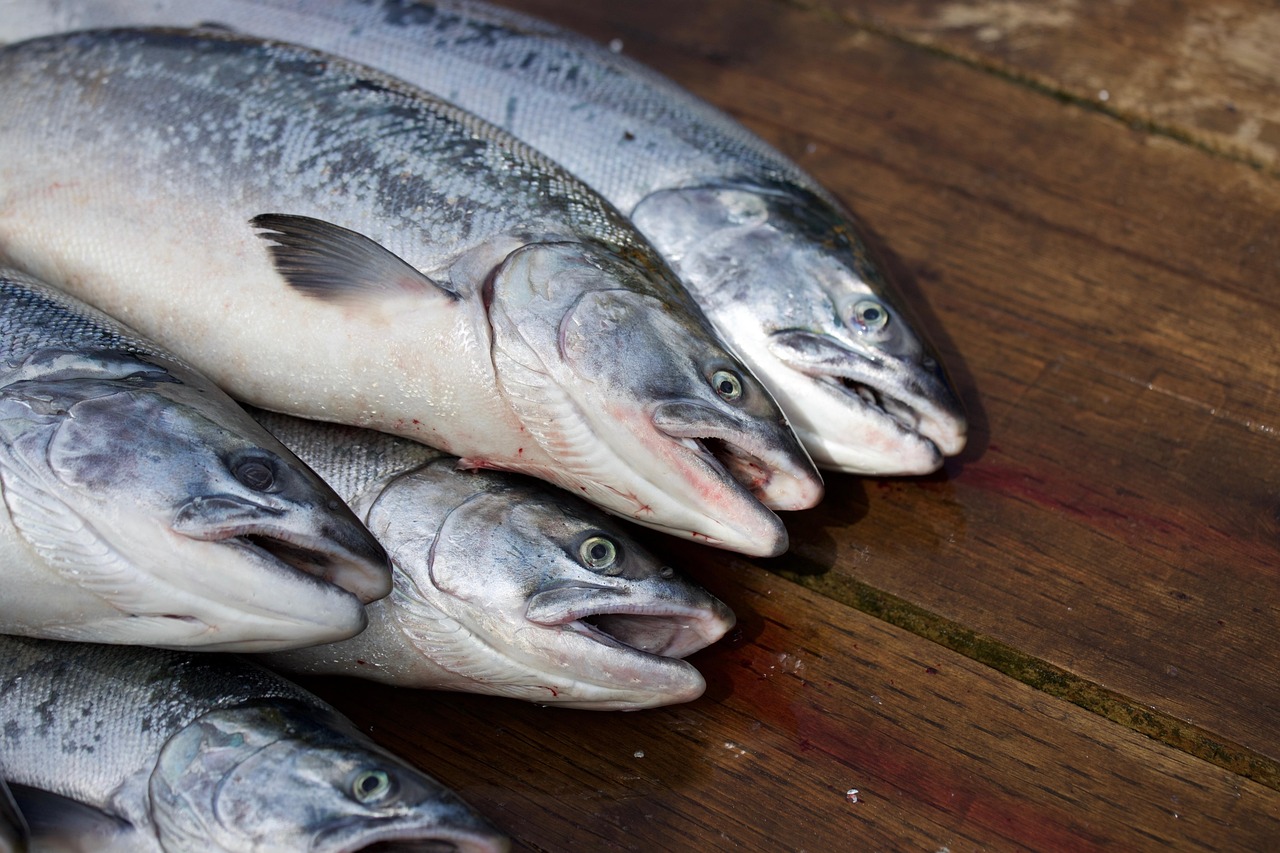
New Study Looks Closely at Atlantic Salmon Farms in British Columbia
Scientists examined salmon farms over more than a year and found signs of a heart and muscle illness on most of them.
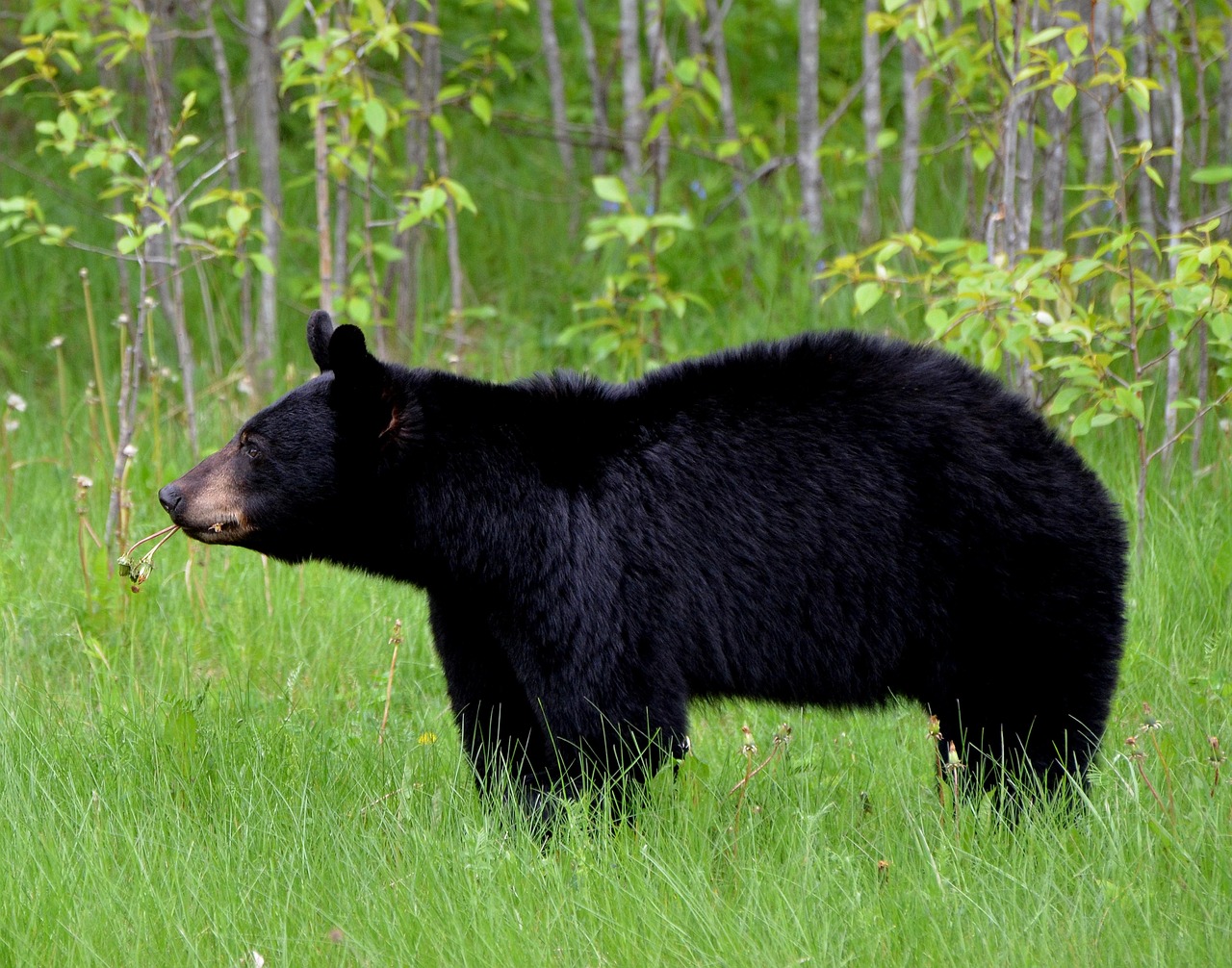
Genetic Study Finds Coastal North Carolina Black Bears Face Greater Strain
Researchers sequenced the genomes of 76 black bears in North Carolina and found differences between mountain and coastal groups.