
New Study Looks Closely at Atlantic Salmon Farms in British Columbia
Scientists examined salmon farms over more than a year and found signs of a heart and muscle illness on most of them.
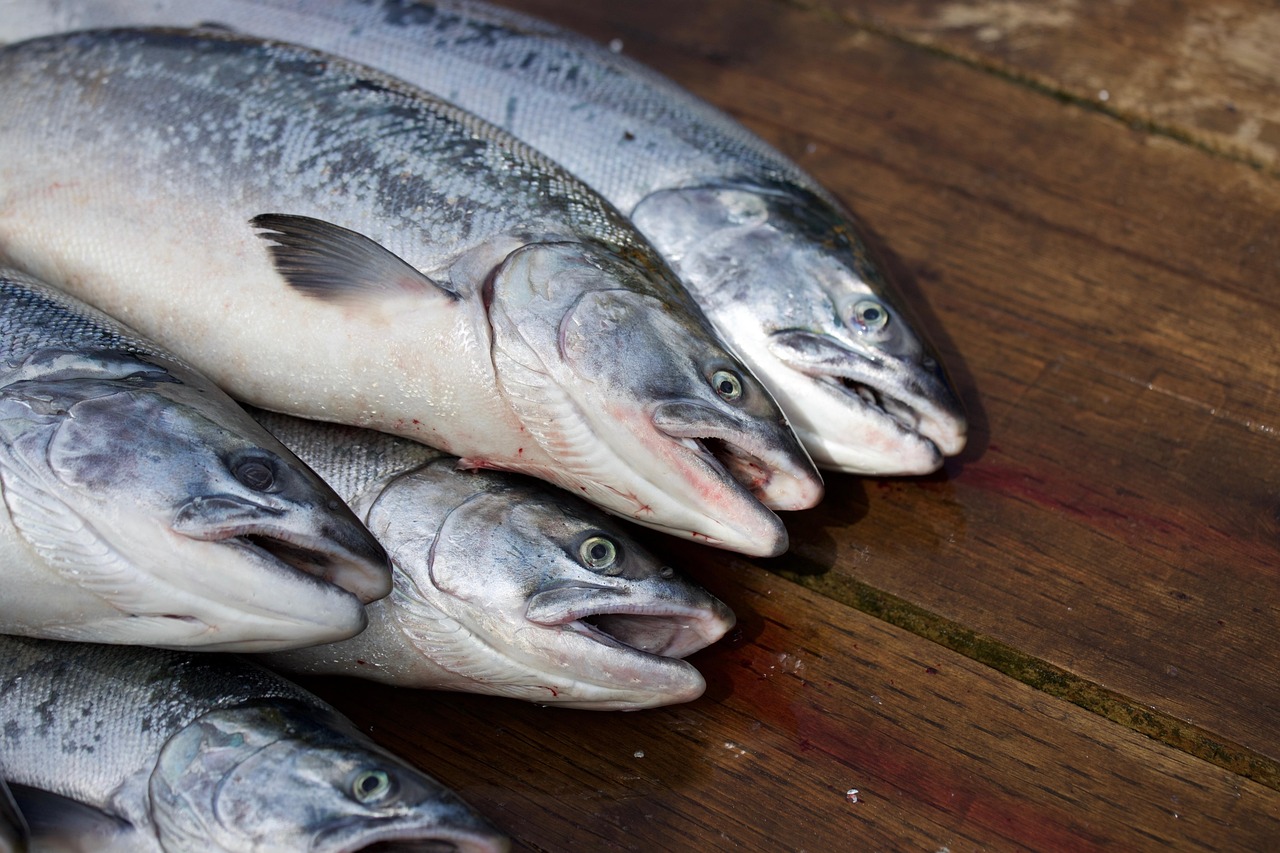
A new study has taken a close look at Atlantic salmon farms in British Columbia, a province in western Canada. The researchers were given unusually wide access to the farms, which are known as open-net pen farms because the fish are kept in netted pens in the water. According to Phys.org, the work was carried out by scientists from the Pacific Salmon Foundation, Fisheries and Oceans Canada and the University of British Columbia.
The scientists looked at the farms over more than a year. During that time, they found heart and skeletal muscle inflammation (HSMI, a swelling of the heart and the muscles used for movement) outbreaks on most of the farms they sampled. Three independent pathologists (doctors who study disease in tissue) confirmed the HSMI diagnosis.
HSMI is caused by piscine orthoreovirus (PRV, a virus that affects fish). The study's authors say that HSMI outbreaks seem to be much more common on B.C. farms than Fisheries and Oceans Canada reports. In 2019, Fisheries and Oceans Canada concluded that PRV is not an infectious disease agent.
The farms are part of a wider plan in the area. The Broughton Aquaculture Transition Initiative is an agreement between several governments, the province and three First Nations: the Mamalilikulla, 'Na̱mǥis and Kwikwasut'inux̱w Haxwa'mis. The First Nations later removed the farms from their territories.
The 'Namgis First Nation first started a judicial review (a court check on whether a government decision was fair and lawful) of the PRV policy in 2019. It paused the review in 2021 and restarted it in 2024.
Farm pathogens such as PRV can flow into the water and be passed on to wild salmon. Earlier research links these pathogens with lower survival and falling numbers of wild salmon. The federal government is currently stalling on its commitment to remove salmon farms from B.C.
More in Animals
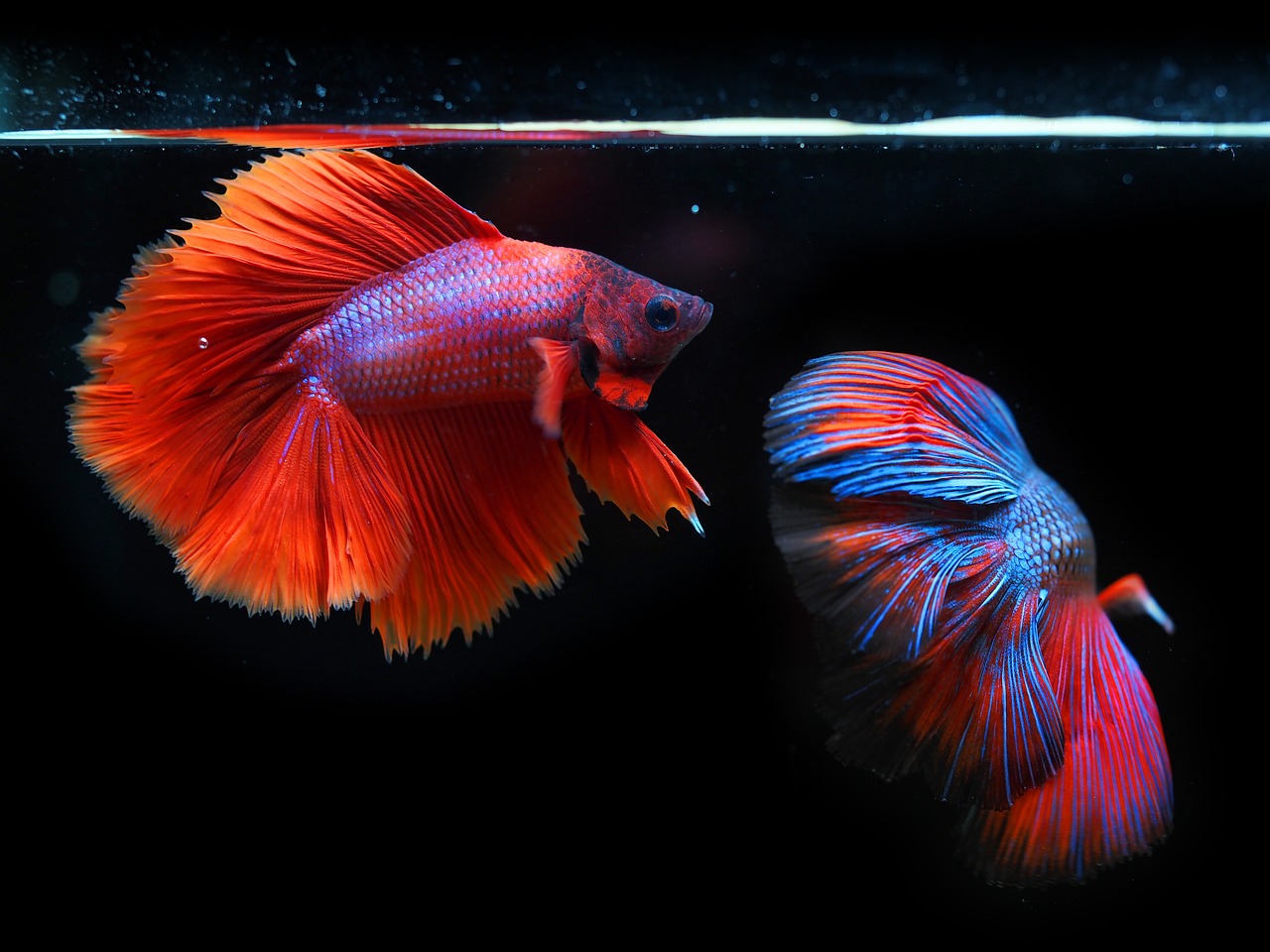
Fish Helpers Guard Their Family Groups, Study Finds
Researchers found that a freshwater fish from Southeast Asia shows early signs of cooperative breeding, in which helpers other than the parents join in.
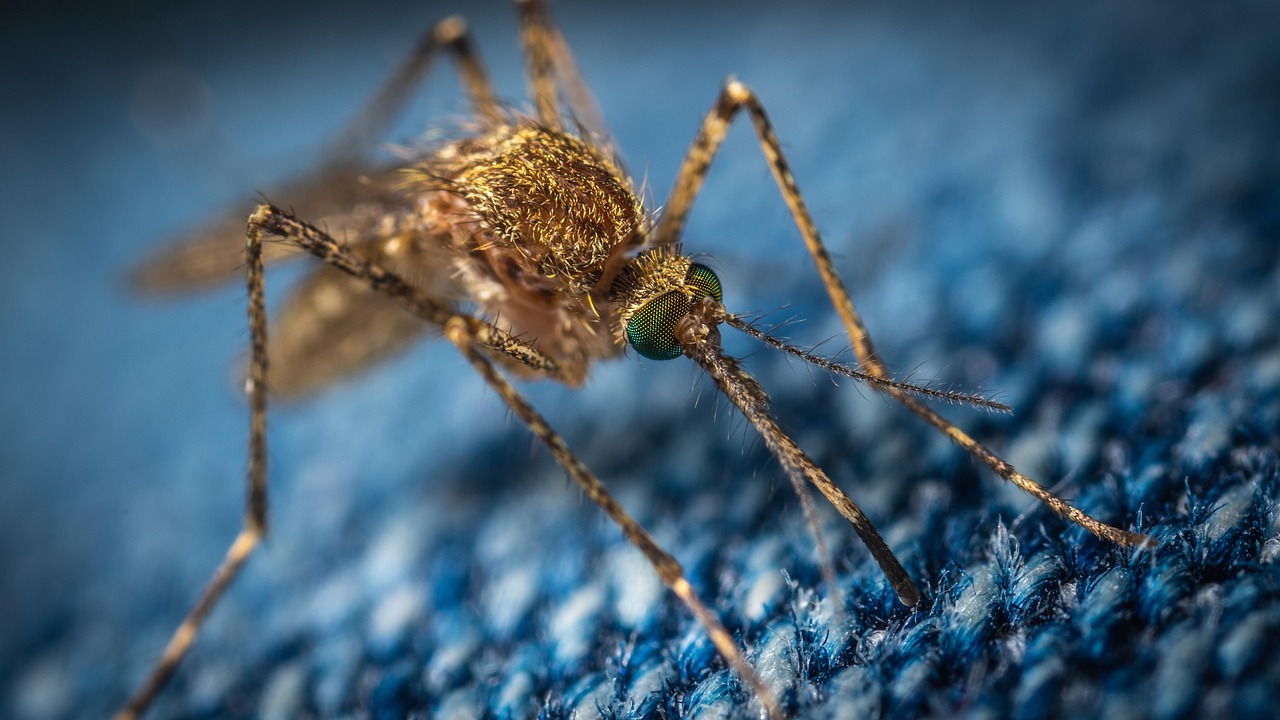
New Study Reveals How Mosquitoes Find Blood to Bite
Researchers at Johns Hopkins University used video and electrical recordings to track the stages of a mosquito bite.
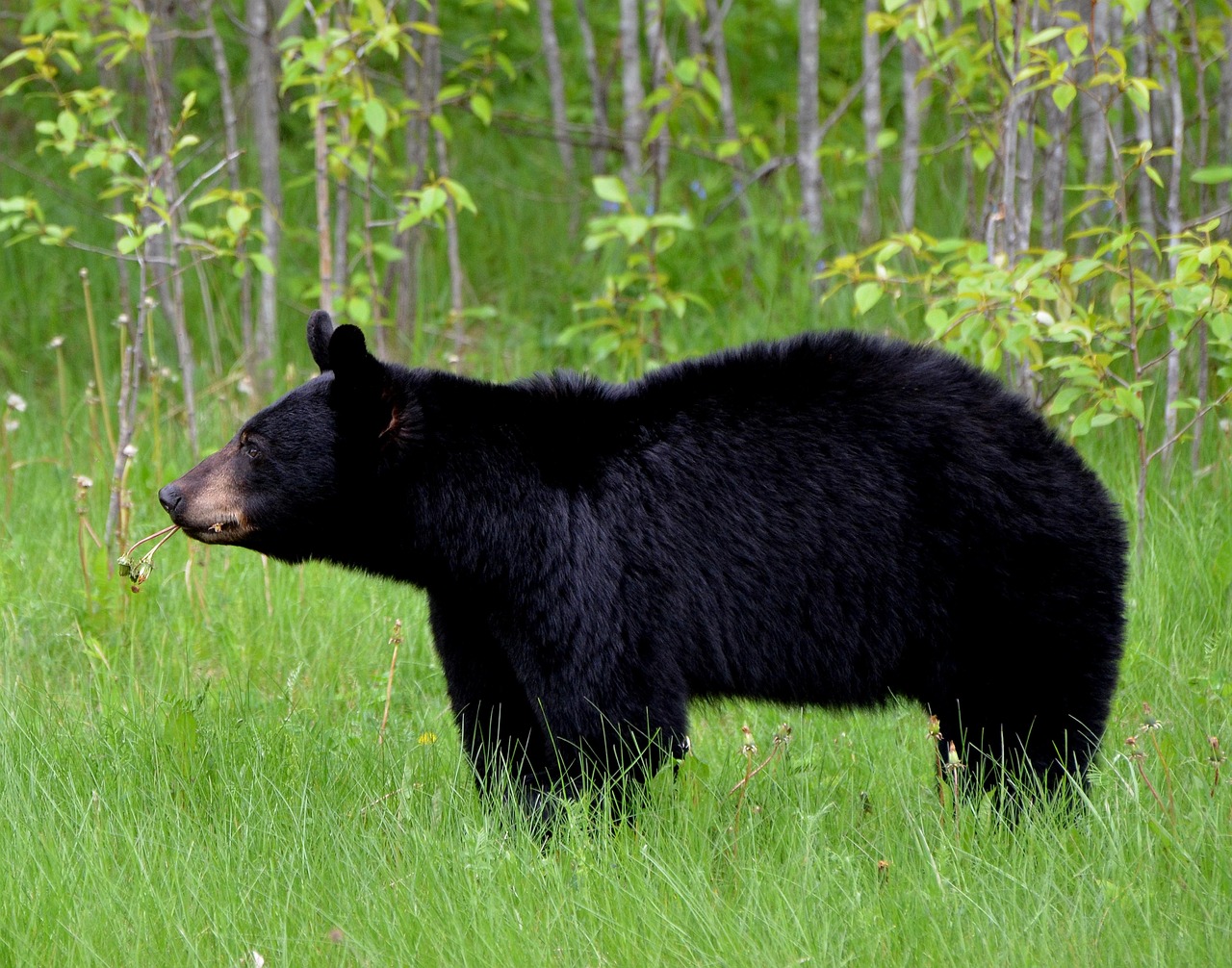
Genetic Study Finds Coastal North Carolina Black Bears Face Greater Strain
Researchers sequenced the genomes of 76 black bears in North Carolina and found differences between mountain and coastal groups.