
Genetic Study Finds Coastal North Carolina Black Bears Face Greater Strain
Researchers sequenced the genomes of 76 black bears in North Carolina and found differences between mountain and coastal groups.
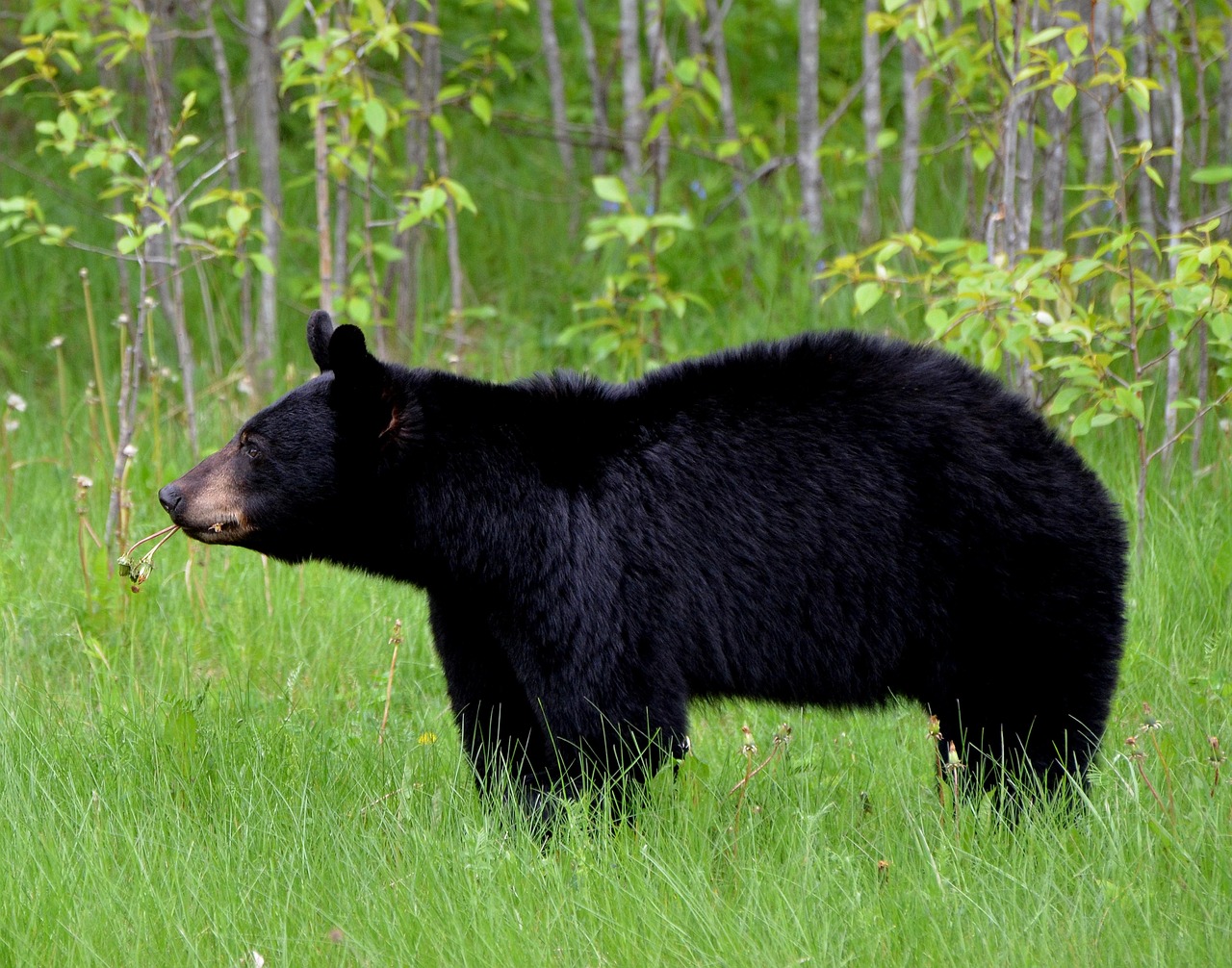
A recent study looked closely at the genes of black bears in North Carolina. According to Phys.org, the research examined bears from both mountain and coastal habitats, which are the places where the animals live.
The researchers generated whole-genome sequences for 76 black bears. Of these, 49 bears came from the Mountain Bear Management Unit (MBMU), and 27 came from the Coastal Bear Management Unit (CBMU). Scientists use these units to group bears by where they live, so that wildlife experts can manage them.
The genetic data showed that the bears fall into three genetic clusters. Two of the clusters came from the mountain group, and one came from the coastal group. This means the bears in each area share genetic traits that set them apart from one another.
The study found that coastal bears were more genetically fragile than mountain bears. Coastal bears had reduced genetic diversity, which means there is less variety in their genes. They also had elevated inbreeding, which means related animals are mating with each other more often. This was true even though the estimated coastal population was larger.
The researchers linked part of this problem to habitat. Coastal bears are running out of usable habitat, meaning they have fewer suitable places to live. Mountain bears, on the other hand, can roam farther and can encounter bears from other parts of the Appalachian Mountains. That wider movement may help them mix with other bears.
The team also developed a panel of single nucleotide polymorphisms (SNPs), which are small differences in the DNA code. This panel can identify which management unit an individual bear belongs to. Wildlife managers and law enforcement could use the SNP panel in poaching investigations, which are cases involving illegal hunting.
Isabella Livingston, a postdoctoral researcher at North Carolina State University's College of Veterinary Medicine, is the first author of the study. The study was published in the journal Genes in 2026.
More in Animals
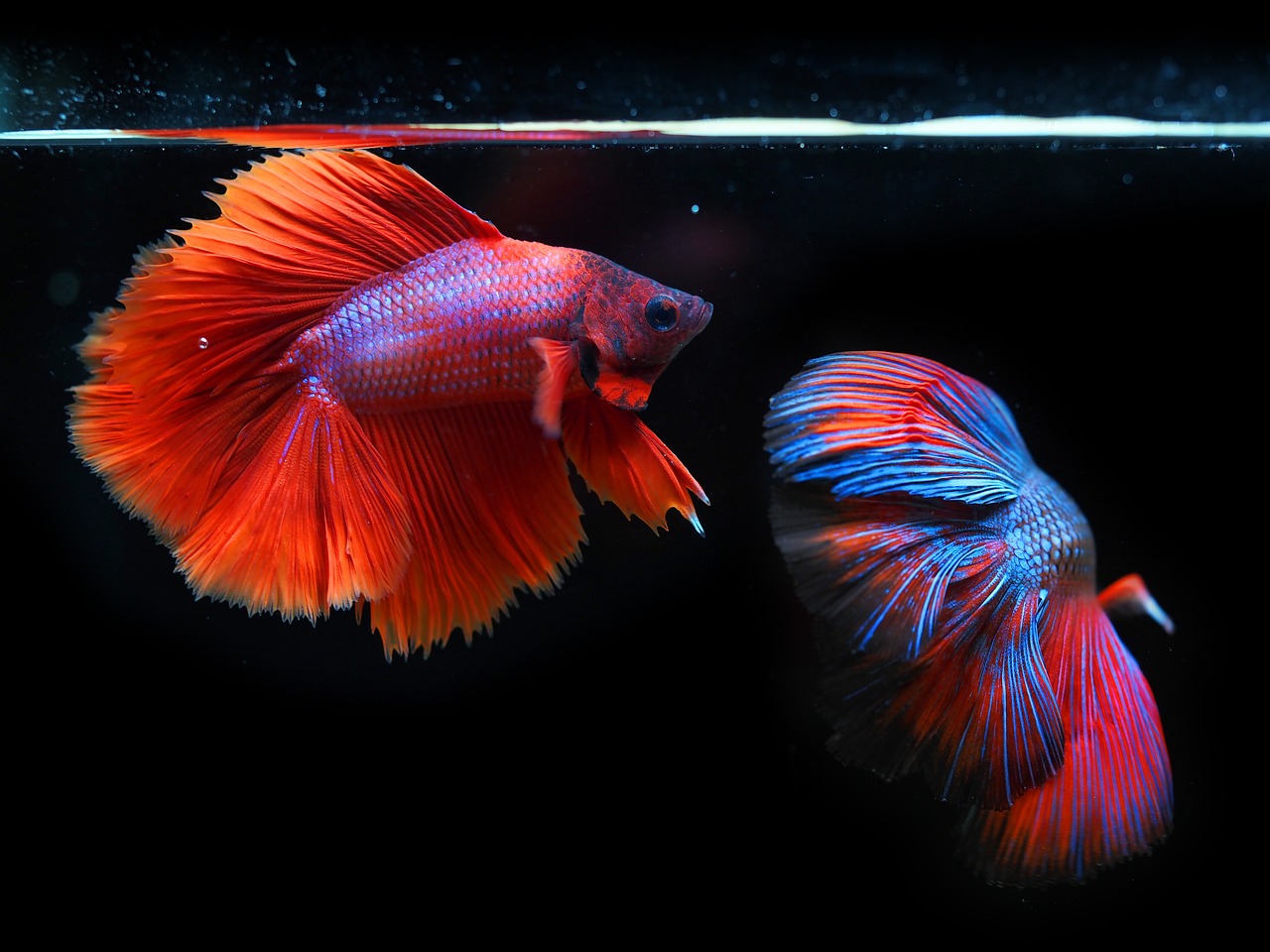
Fish Helpers Guard Their Family Groups, Study Finds
Researchers found that a freshwater fish from Southeast Asia shows early signs of cooperative breeding, in which helpers other than the parents join in.
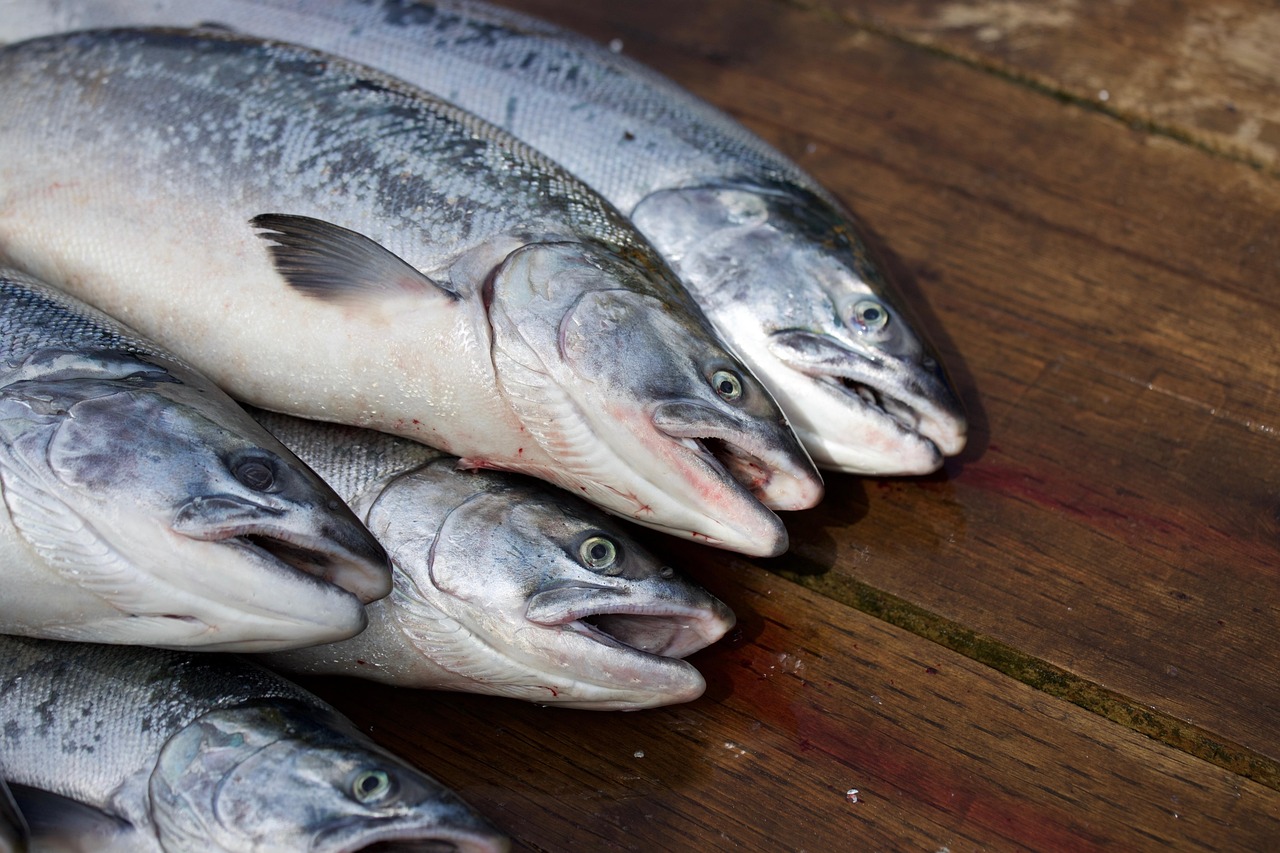
New Study Looks Closely at Atlantic Salmon Farms in British Columbia
Scientists examined salmon farms over more than a year and found signs of a heart and muscle illness on most of them.
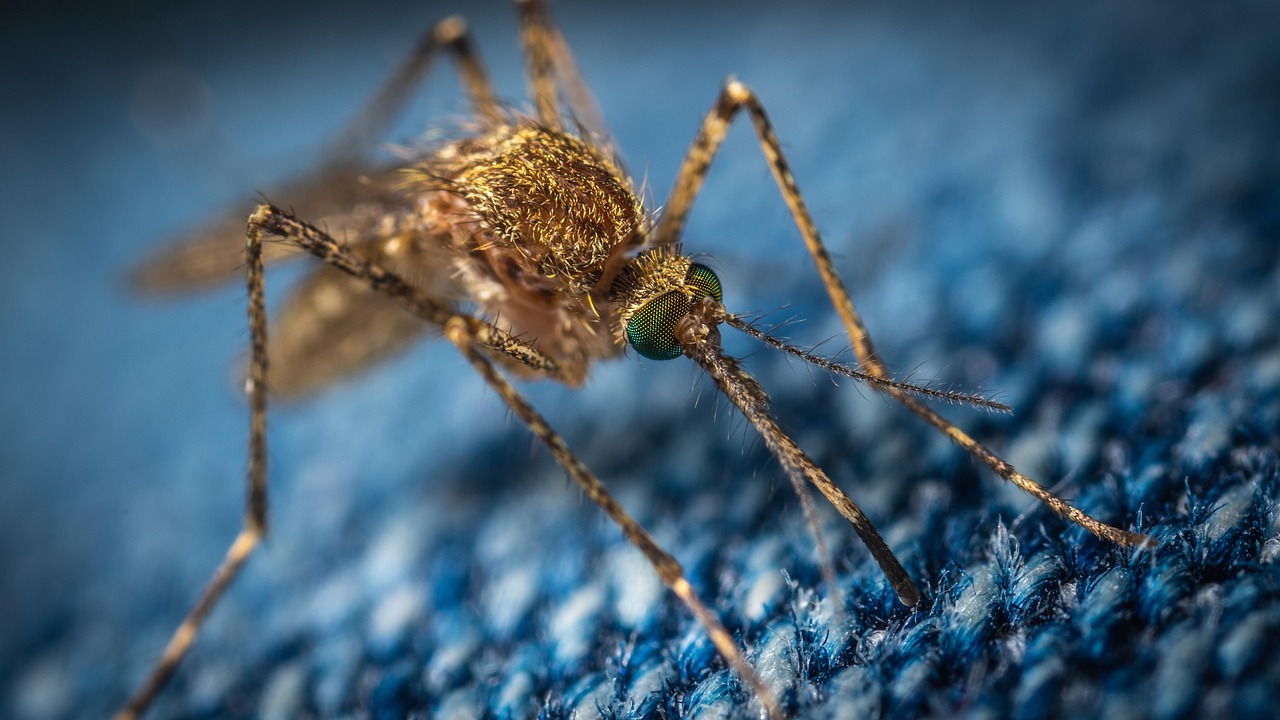
New Study Reveals How Mosquitoes Find Blood to Bite
Researchers at Johns Hopkins University used video and electrical recordings to track the stages of a mosquito bite.