
Hyenas in the Serengeti Are Spending Less Time With Migrating Herds
A long-term study reports that migratory herds now stay in hyena territories for less of the year than they did 30 years ago.
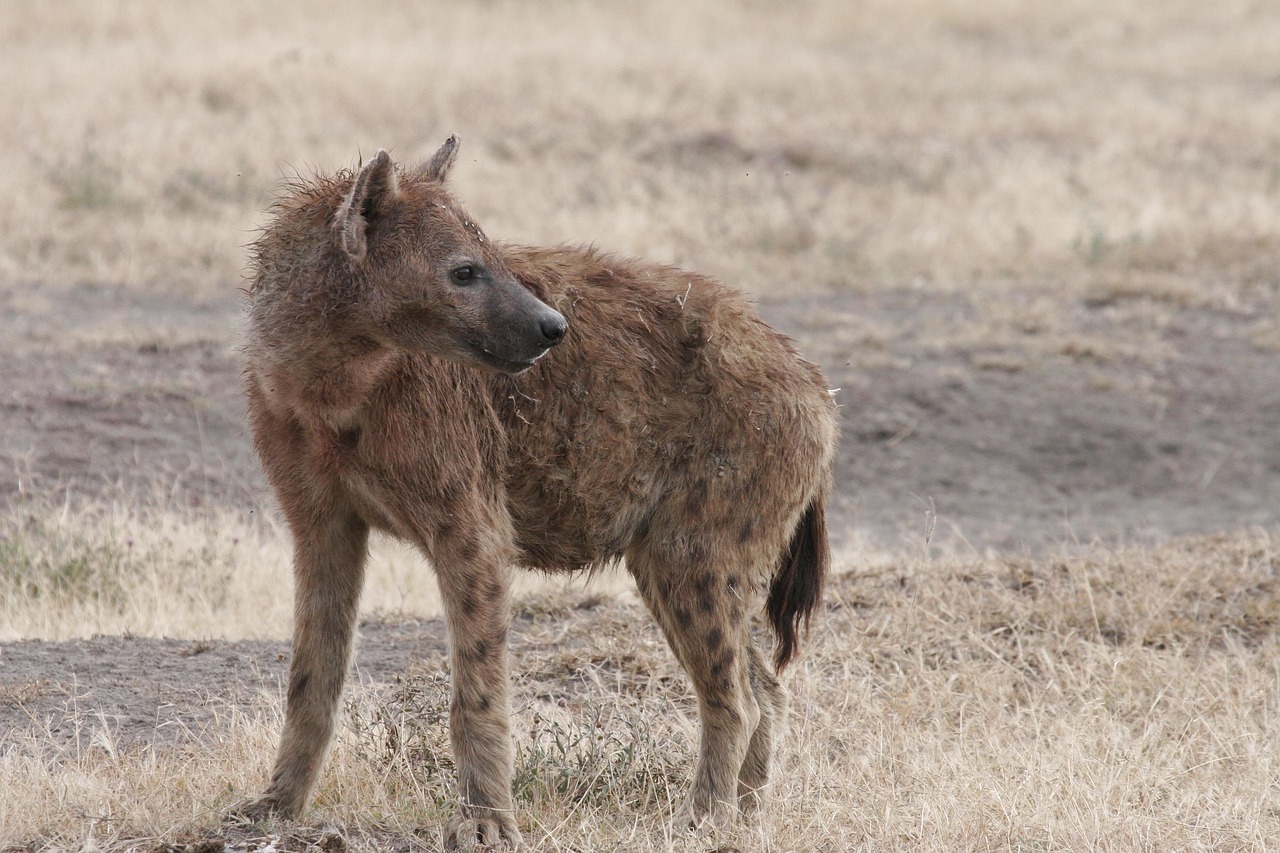
Hyenas in Tanzania's Serengeti are finding that migrating animals now spend less time near their home areas, according to Phys.org. The report describes a study that looked at how these changes affect spotted hyenas and the animals they eat.
The research was published in the journal Ecosphere. It used a dataset that covers three decades and includes thousands of hyenas that scientists could identify one by one.
The study found that migratory ungulates, which are hoofed animals such as blue wildebeest, now spend much less time inside hyena territories. Between 1990 and 1994, migratory herds were present within clan territories for around 12% of the year. Between 2015 and 2019, that figure dropped to about 7%.
Hyena clans in the central Serengeti have stayed largely stable over the same period. The number of observed feeding events declined during the study, but Serengeti hyenas still fed mostly on migratory prey species.
Spotted hyenas travel to find food. They commute between their clan territory and areas where migratory herbivores (plant-eating animals) are gathered. These foraging trips can last up to a week and cover distances of up to 150 kilometers (93 miles). Females with young cubs make these trips especially often.
Even with fewer chances to feed inside their territories, two of the three study clans grew in size. The study notes that other factors, such as more migratory ungulates or fewer hyena deaths, may have affected population trends.
The researchers also point out that human activities, particularly tourism and infrastructure development, may influence where migratory herbivores go. A University of Glasgow study found that wildebeest increasingly avoid highly developed areas in the central Serengeti. Rainfall has also increased across the Serengeti in recent decades.
More in Animals

Fish Helpers Guard Their Family Groups, Study Finds
Researchers found that a freshwater fish from Southeast Asia shows early signs of cooperative breeding, in which helpers other than the parents join in.

New Study Looks Closely at Atlantic Salmon Farms in British Columbia
Scientists examined salmon farms over more than a year and found signs of a heart and muscle illness on most of them.
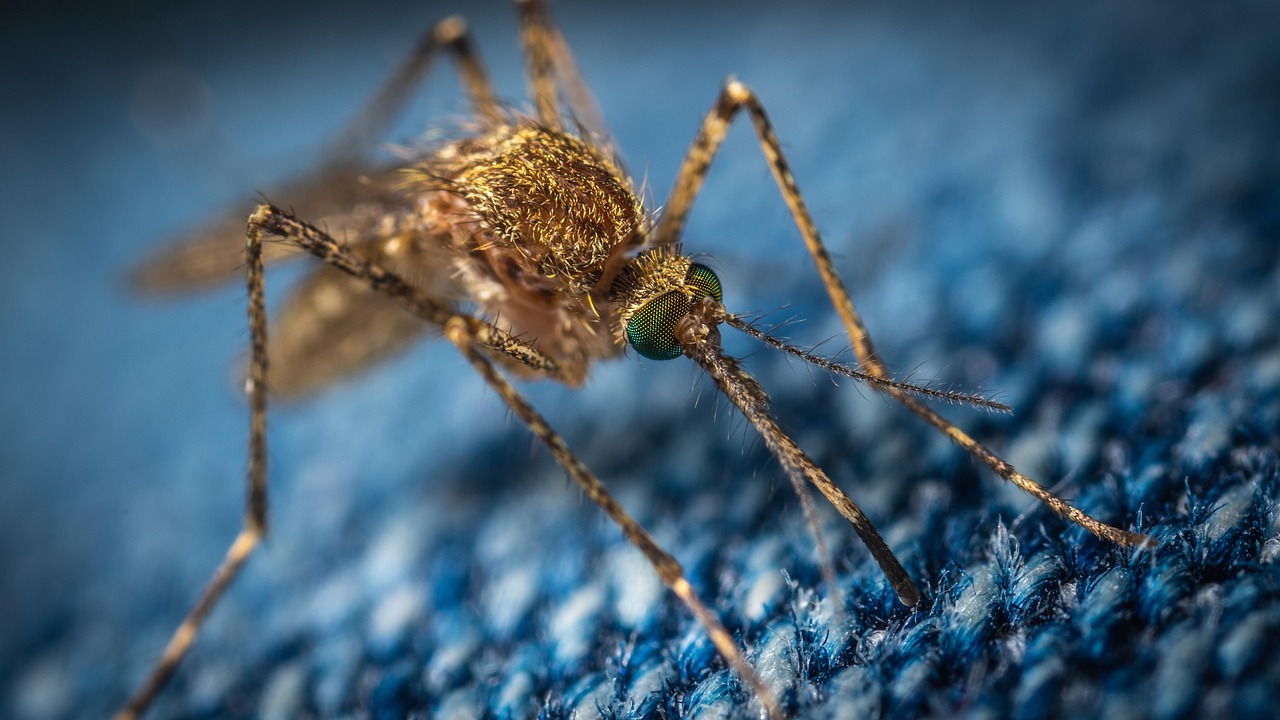
New Study Reveals How Mosquitoes Find Blood to Bite
Researchers at Johns Hopkins University used video and electrical recordings to track the stages of a mosquito bite.