
Study Finds Leptospira Exposure in Connecticut Horses
A new UConn-led study looks at how often horses in Connecticut are exposed to a bacterium that can affect their health.
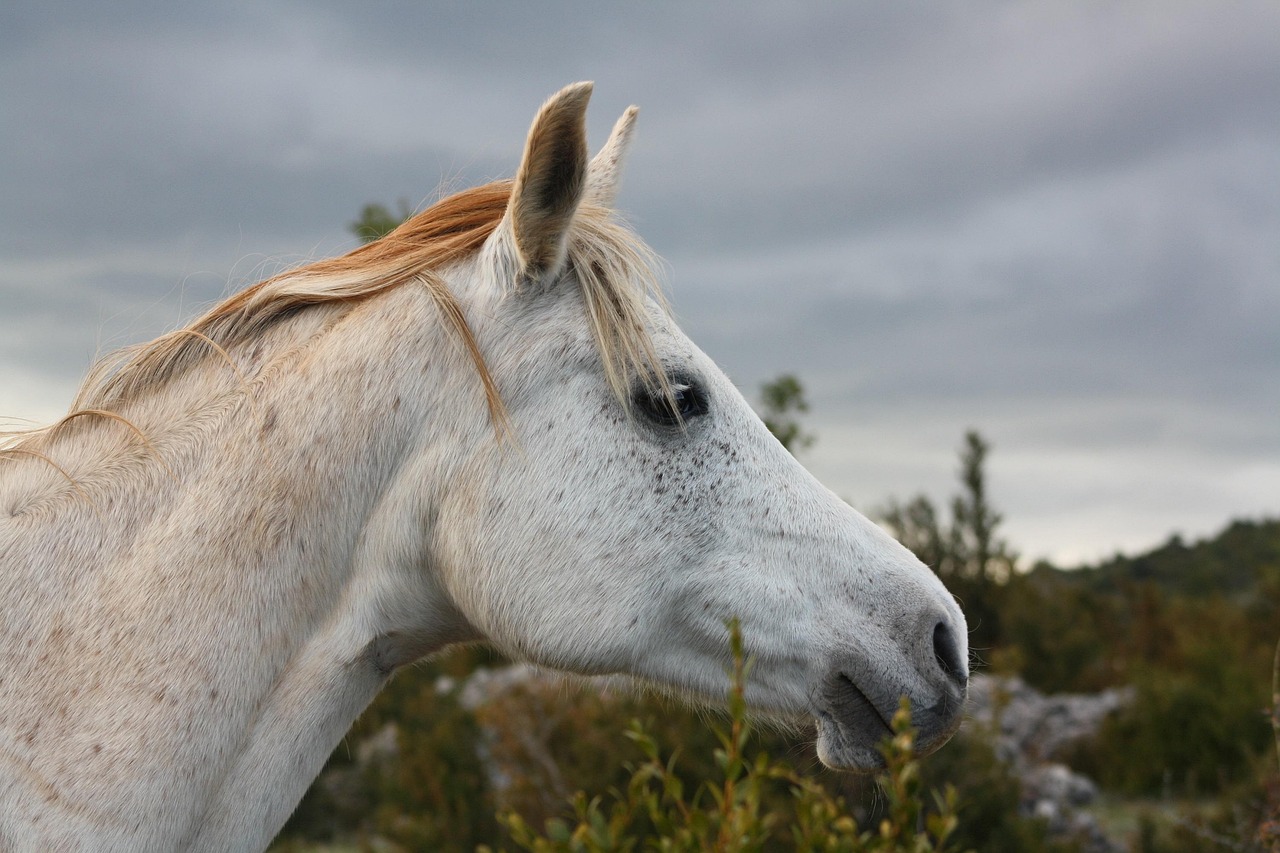
A new study published in BMC Veterinary Research looks at how often horses in Connecticut are exposed to Leptospira, a type of bacteria. According to Phys.org, the work was led by Dr. Camila Hamond, an assistant research professor at UConn's CAHNR.
Equine leptospirosis is a disease that horses can get from this bacteria. It can cause abortion, stillbirth, neonatal death, placentitis and equine recurrent uveitis. Placentitis is an inflammation of the placenta, and uveitis is an inflammation inside the eye.
The UConn team tested nearly 400 samples for 40 different strains of Leptospira. The samples came from the Connecticut Veterinary Medical Diagnostic Laboratory. Researchers found that 61.5% of the samples had antigens associated with one strain of Leptospira. Antigens are substances that the body's immune system can react to.
The most detected serogroups, which are groups of closely related strains, were Djasiman, Grippotyphosa, Australis, Pomona and Icterohaemorrhagiae. A vaccine for horses targets only the serogroup Pomona, which made up 10% of the positive results.
The test that was used cannot tell the difference between an infection and a response to a vaccine. Because of this, the team developed a new qPCR test to detect all pathogenic Leptospira species. A qPCR test is a lab method that finds the genetic material of a germ.
According to the study, infected horses should be isolated for three to four weeks. Isolated means kept apart from other animals.
Wunder and Hamond plan to expand the study to other New England states next.
More in Animals

Fish Helpers Guard Their Family Groups, Study Finds
Researchers found that a freshwater fish from Southeast Asia shows early signs of cooperative breeding, in which helpers other than the parents join in.
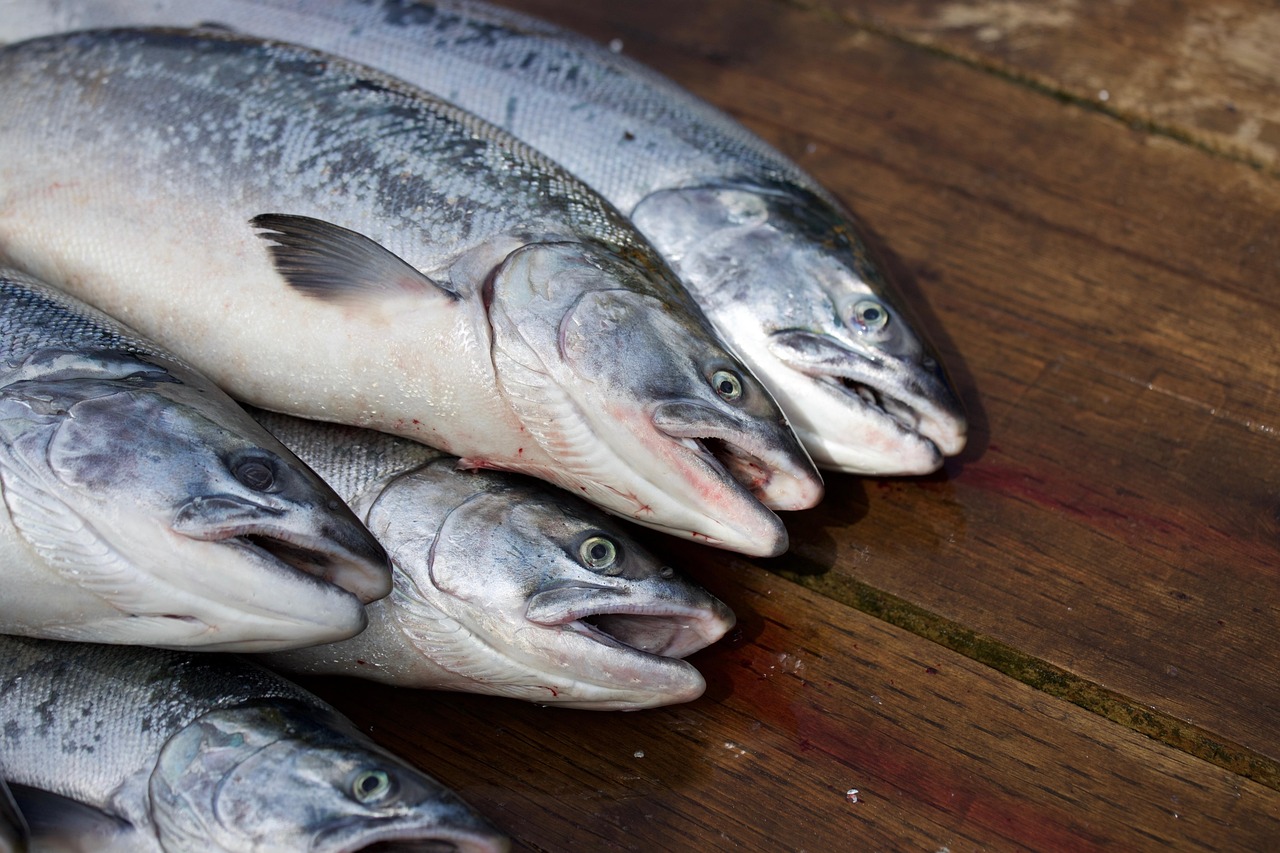
New Study Looks Closely at Atlantic Salmon Farms in British Columbia
Scientists examined salmon farms over more than a year and found signs of a heart and muscle illness on most of them.
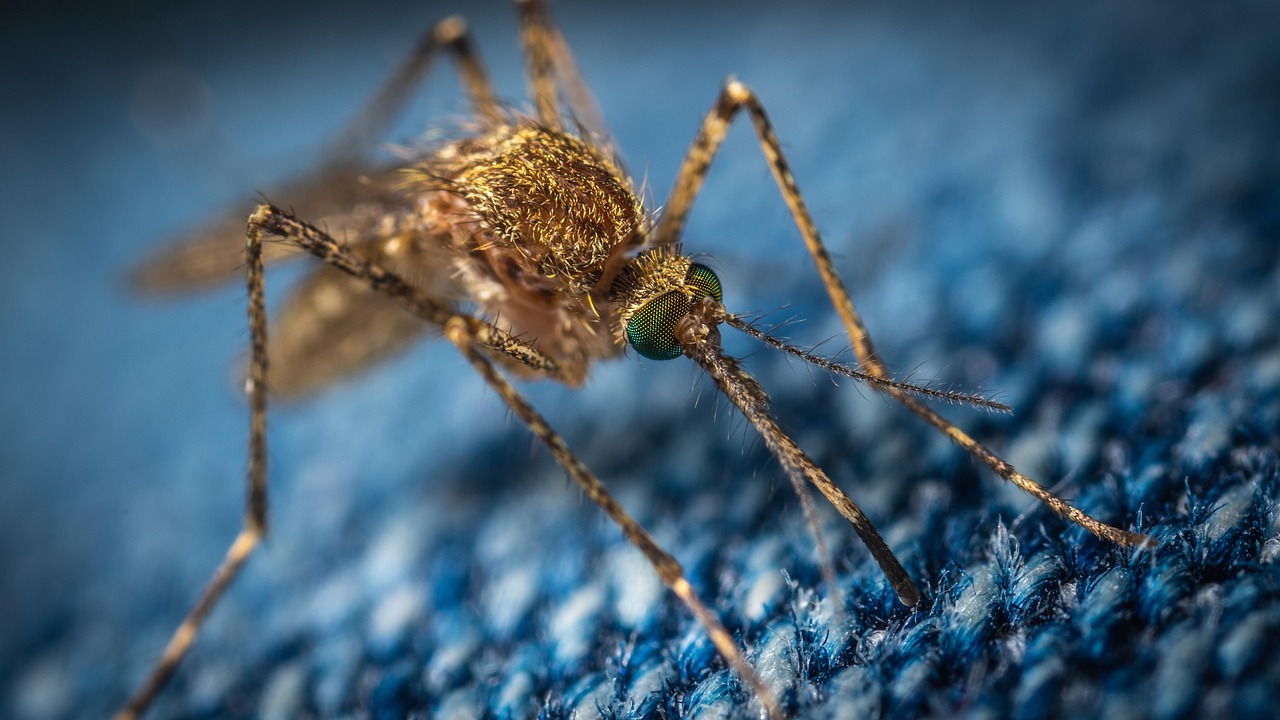
New Study Reveals How Mosquitoes Find Blood to Bite
Researchers at Johns Hopkins University used video and electrical recordings to track the stages of a mosquito bite.