
Children in Ecuador Help Cut Cigarette Butt Litter on Beaches
A community project in Ayangue, Ecuador, has involved children in keeping cigarette butts out of the sand and ocean.
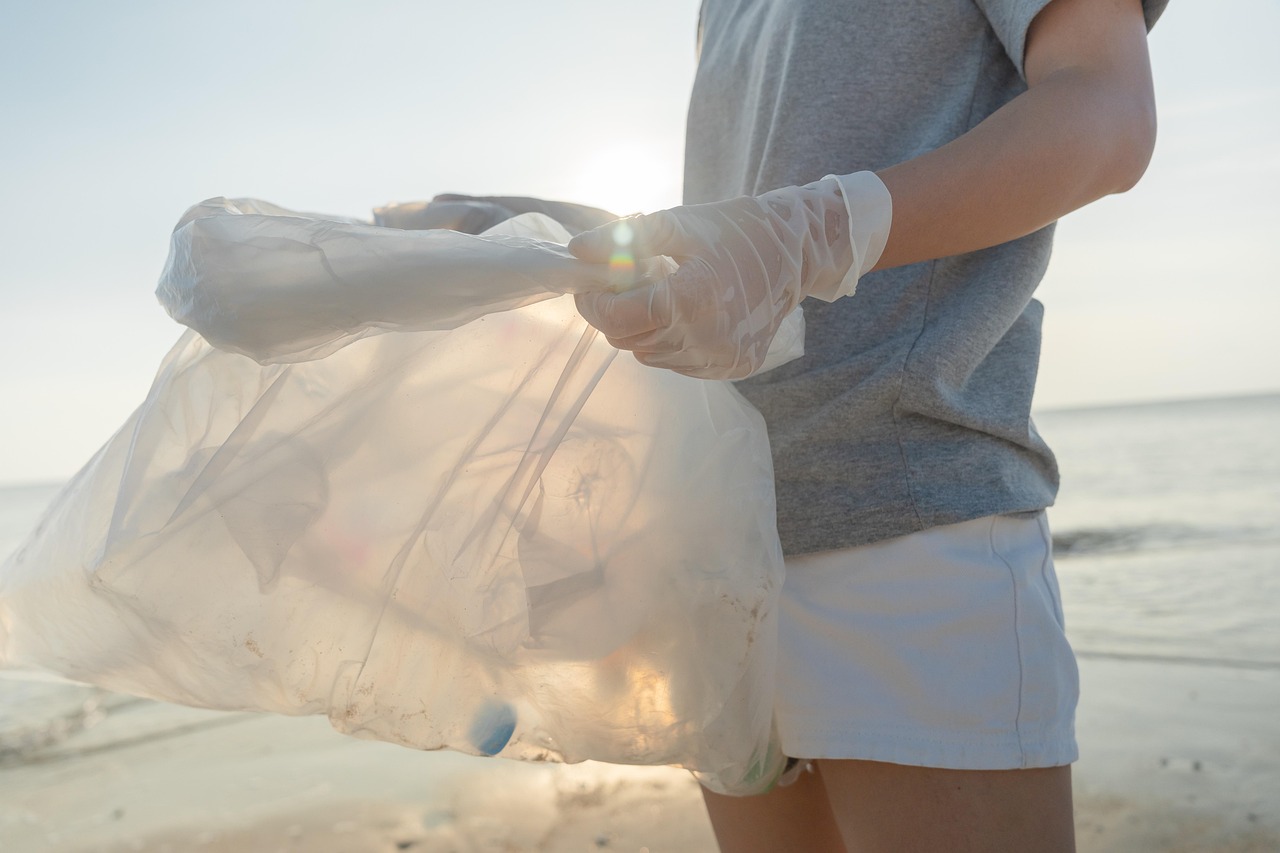
Cigarette butts are a big problem on beaches around the world. According to Phys.org, an estimated 4.5 trillion cigarette butts are thrown away every year across the globe. For the past three decades, they have been the most common type of beach litter.
Cigarette butts are not easy to break down. Many contain cellulose acetate, which is a nonbiodegradable plastic (a plastic that does not break down naturally over time). They can also hold more than 7,000 toxic compounds (harmful chemicals).
A study looked at a project in Ayangue, a municipality in Ecuador. The project is called MCBAL and is led by the Amiguitos del Océano Foundation. Children aged 7 to 12 took an active part in the work. Ayangue is a commune that is legally recognized for its power to manage its own land and sea resources.
Monitoring campaigns were held once a month during low tide, when more of the beach is uncovered. The total area sampled was 1,500 square metres. Between 2023 and 2024, the number of cigarette butts collected from the sand fell by 53.2%.
The project also included new tools and ideas. Cigarette butt collectors made from reused PVC were placed along the Ayangue boardwalk. Over 18 months, these collectors gathered 1,198 cigarette butts. An Exchange Point let people rent sports equipment in return for beach waste. In eight events, this led to the removal of 941 cigarette butts and 97.9 kg of other trash.
The MCBAL project became part of the Cabildo, the community council. According to the study, 85.7% of participants shared what they learned with their families and social circles. The initiative aligns with Sustainable Development Goals 4, 11, 12 and 14. Chi-square tests (a type of statistical test) showed no significant differences in responses by gender.
The researchers also noted that sharing the results in peer-reviewed journals (journals where other experts check the work before publication) was the weakest part of the project. Over two years, the project prevented 6,821 cigarette butts from reaching the ocean. The study was published in the journal Ocean & Coastal Management.
More in World
New Open Database Brings Together Satellite Data on Water Vapor
Researchers have built a free database that combines 24 years of satellite measurements of water isotopes in the air.
Groundwater Use Near Borders Needs Careful Attention, Study Finds
A global analysis of shared underground water sources looks at where pumping tends to happen and why location matters.
New Study Suggests Voynich Manuscript Pages Were Bound Incorrectly
Researchers say the mysterious 15th-century book may have been meant to be read in a different order than it is now.